What a British Shorthair Breeder Should Have Tested
Bringing a British Shorthair into your life is an absolute joy – their round faces, plush coats, and calm demeanors make them incredibly endearing companions. However, the dream of a healthy, long-lived furry family member can quickly turn into a nightmare if you're not careful about where your kitten comes from. Many new owners are completely unaware of the extensive health testing a responsible British Shorthair breeder undertakes to safeguard the breed. This guide aims to shed light on these crucial screening protocols, ensuring you know exactly what to look for and what questions to ask when seeking a healthy British Shorthair kitten.
The Foundation: Why Health Testing is Paramount for British Shorthairs
It’s easy to be swept away by a British Shorthair kitten’s undeniable cuteness, especially those fluffy, wide-eyed little teddy bears. But beneath that adorable exterior, there can be lurking genetic predispositions that, if unchecked, can lead to heartbreaking and costly health problems down the line. A truly responsible breeder understands that their role is not just to produce beautiful cats, but to ensure they are as healthy as possible, contributing positively to the future of the breed. This commitment goes far beyond simply vaccinating and deworming kittens; it involves a rigorous, often expensive, program of testing their breeding stock for inherited diseases.
The Ethical Imperative of Responsible Breeding
For a British Shorthair breeder, health testing is an ethical cornerstone. It’s about minimizing the risk of passing on debilitating conditions to future generations, protecting the kittens they bring into the world, and ensuring that families who welcome these cats into their homes don't face undue heartache or financial burden. Imagine falling completely in love with a kitten, only to discover a few years later that it's suffering from a severe genetic illness that could have been prevented with proper screening of its parents. This isn't just about the cat's well-being; it's about the emotional and financial strain on its human family. Good breeders don't just sell kittens; they offer a lifetime of support and, more importantly, a lifetime built on the foundation of responsible health practices. They know that cutting corners on health testing is not a saving, but a potential tragedy waiting to happen.
Understanding Breed-Specific Health Concerns
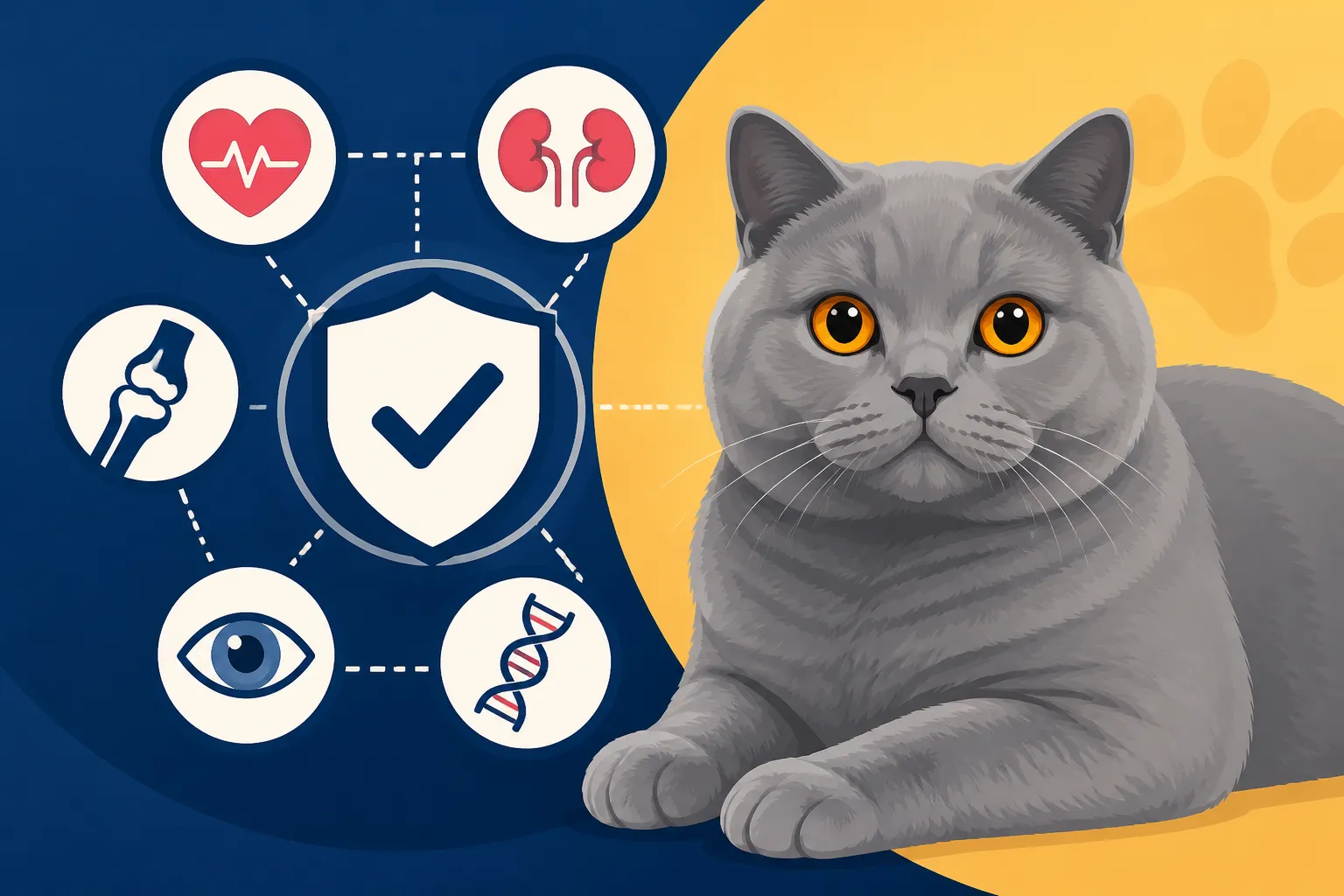
Every breed, sadly, has its unique vulnerabilities. For the British Shorthair, while generally a robust breed, there are specific health concerns that have a genetic component and must be proactively screened for. These aren't just random illnesses; they are conditions that have been identified within the breed's lineage and require diligent monitoring and selective breeding to manage and, ideally, eradicate. These include cardiac issues, kidney disease, and certain blood disorders. Without proper testing, these silent killers can spread unchecked, undermining the health of the entire British Shorthair population. A reputable breeder sees themselves as a guardian of the breed, working to improve its health and longevity with every litter.
Unmasking Heart Conditions: HCM Screening Protocols
One of the most concerning health issues in British Shorthairs, and indeed many purebred cats, is Hypertrophic Cardiomyopathy, or HCM. This is a progressive heart disease where the walls of the heart's main pumping chamber, the left ventricle, become abnormally thick. This thickening makes it harder for the heart to pump blood effectively, leading to a range of serious complications, including heart failure and sudden death. What makes HCM particularly insidious is its often silent nature; affected cats may show no symptoms until the disease is quite advanced, or even suddenly collapse.
The Elusive Nature of HCM in British Shorthairs
Unlike some other breeds, where a specific genetic marker for HCM has been identified, the British Shorthair currently has no universally recognized DNA test for this condition. This means breeders can't simply send off a cheek swab and get a definitive "clear" result, which can be incredibly frustrating for those committed to health. The lack of a simple DNA test means that a comprehensive screening program becomes even more critical for British Shorthair breeders. To truly understand why this is such a challenge, it's worth exploring in more detail why there is no British Shorthair HCM gene test that works as effectively as it might for other breeds. It’s not for lack of trying; researchers continue to investigate the genetic complexities of HCM in this particular breed. The disease typically appears in a British Shorthair at varying ages, sometimes not until middle age, making long-term monitoring essential.
The Gold Standard: Regular Echocardiograms
Given the absence of a reliable DNA test, the gold standard for screening British Shorthairs for HCM is regular echocardiograms. This is a specialized ultrasound of the heart performed by a board-certified veterinary cardiologist. During an echo, the cardiologist can visualize the heart's structure and function, measure the thickness of the ventricular walls, and assess blood flow. They look for subtle changes that indicate the onset of HCM, often long before any clinical signs manifest.
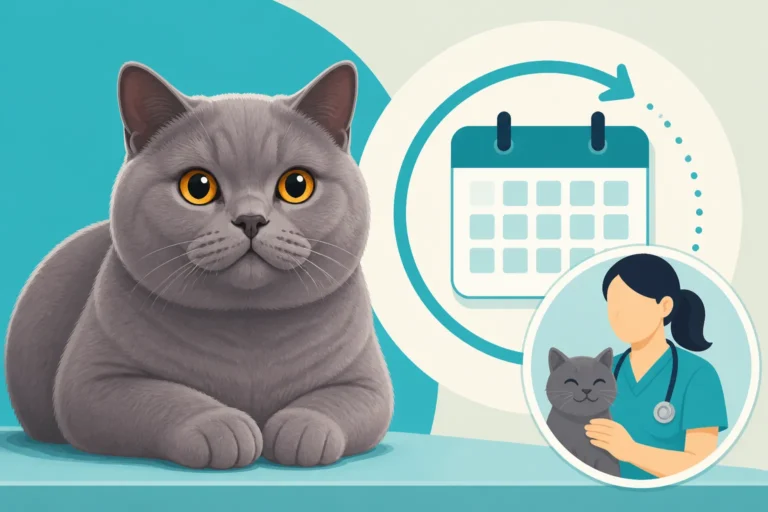
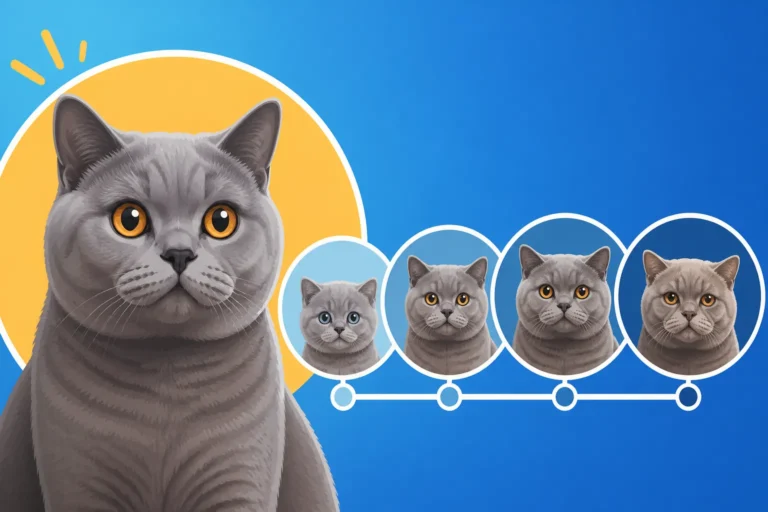
A reputable British Shorthair breeder will have their breeding cats scanned yearly, or at least every 1-2 years, by a cardiologist. This ongoing monitoring is crucial because HCM can develop later in life, and a cat that screens clear one year might show signs the next. The age a British Shorthair should start screening is typically around one year, though some cardiologists recommend earlier baseline scans. This consistent screening protocol, often referred to as the yearly echo that replaces a British Shorthair gene test, allows breeders to make informed decisions about their breeding program, removing affected cats from the gene pool to prevent further transmission. When you see a breeder provide detailed echo results, often certified by the OFA (Orthopedic Foundation for Animals) or other reputable health registries, you know they're doing their part. For new owners, it's reassuring to know their kitten's parents have been diligently screened, even if those screening costs are reflected in the purchase price.
Navigating Kidney Health: Polycystic Kidney Disease (PKD) Screening
Polycystic Kidney Disease, or PKD, is another significant genetic health concern for British Shorthairs. Unlike HCM, for which no direct DNA test exists in the breed, PKD offers a clear genetic solution, making it much more straightforward to manage through responsible breeding practices. PKD causes numerous cysts to form in the kidneys, which grow over time, eventually leading to kidney failure. It’s a progressive disease, and while symptoms may not appear until a cat is several years old, the genetic predisposition is present from birth.
The Genetic Link: PKD1 Testing
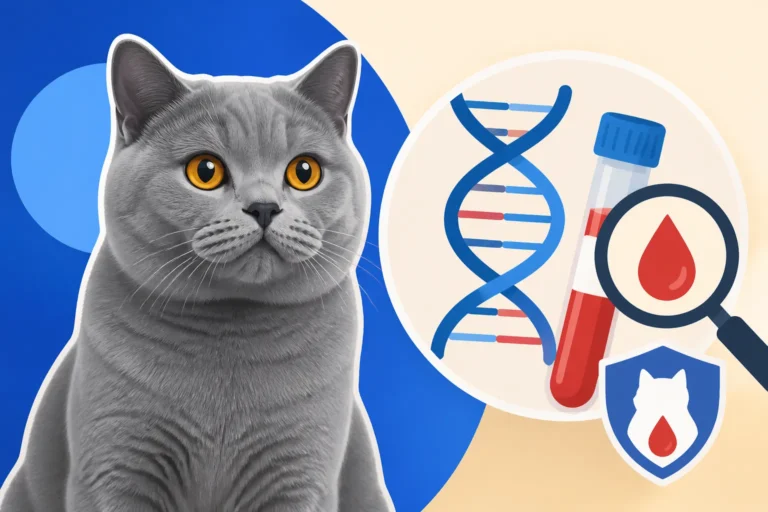
The good news regarding PKD in British Shorthairs is that there's a highly reliable DNA test available. This test specifically looks for the PKD1 gene mutation, which is responsible for the disease. It’s a simple, non-invasive test, usually performed with a cheek swab or a small blood sample. This test can definitively tell a breeder if a cat is clear, a carrier, or affected by PKD. This is a game-changer because it allows breeders to definitively identify and remove affected cats, and even carriers, from their breeding programs. It's widely accepted that Polycystic Kidney Disease came into the British Shorthair with the Persians during the post-WWII outcrossing programs designed to rebuild the British Shorthair population. Fortunately, due to diligent DNA testing, the incidence of PKD has significantly decreased within the breed over the past few decades. A responsible breeder will have proof that all their breeding cats are clear of the PKD1 gene mutation.
Why Ultrasound Still Matters
While the PKD1 DNA test is incredibly accurate and should be a mandatory part of any British Shorthair breeder's screening program, there are still some situations where an ultrasound might be beneficial. For instance, if a cat's genetic history is unknown, or if a breeder is working with lines where PKD was historically present, an ultrasound can serve as an additional diagnostic tool. Before the widespread availability of the DNA test, ultrasound was the primary method for detecting PKD, as it could visualize the cysts directly.
However, for a breeder whose entire breeding program consists of cats that have been DNA tested as PKD1 clear, routine ultrasounds for PKD are generally not necessary. The DNA test is definitive for the PKD1 mutation. Still, some breeders might choose to do an ultrasound as an extra layer of reassurance, particularly for older breeding cats or those with complex lineage. The main takeaway for prospective owners is that the DNA test is the critical screening for PKD, and you absolutely should verify that your kitten's parents are documented as PKD1 DNA clear.
Blood Type Battles: Preventing Neonatal Isoerythrolysis
While not a disease in the traditional sense, knowing the blood types of breeding British Shorthairs is critically important to prevent a potentially fatal condition in newborn kittens: Neonatal Isoerythrolysis (NI). This is a devastating immune-mediated hemolytic anemia that occurs when a blood type B queen is bred to a blood type A or AB tom, and the kittens inherit blood type A or AB from the father.
Understanding British Shorthair Blood Types
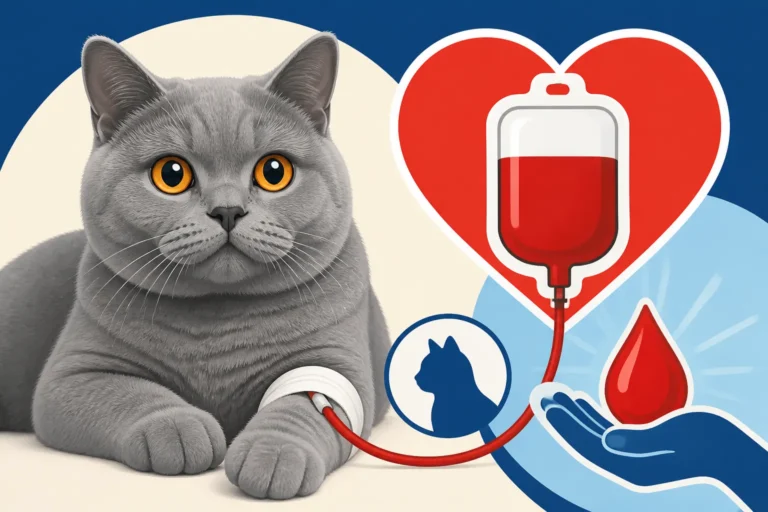
Like humans, cats have different blood types. The most common feline blood group system involves Type A, Type B, and the rare Type AB. In British Shorthairs, there's a notable prevalence of Type B blood, much more so than in many other breeds. This makes blood typing an absolutely essential practice for British Shorthair breeders. A simple, quick test can determine a cat's blood type, and every breeding cat, both queen and tom, should be typed before any mating takes place. This information is non-negotiable for safe breeding.
The Deadly Mismatch: Isoerythrolysis
Neonatal Isoerythrolysis occurs when a blood type B queen (mother) produces antibodies against type A blood. If she is bred to a type A or AB tom, and their kittens inherit type A or AB blood, these kittens will absorb the antibodies from their mother's colostrum (first milk) within the first 24-48 hours of life. These antibodies then attack the kittens' red blood cells, leading to severe anemia, jaundice, and often death within a few days. The kittens may appear healthy at birth but quickly fade, becoming weak, jaundiced, and sometimes passing reddish-brown urine. This is a heartbreaking and entirely preventable tragedy that blood typing can avert. It's a prime example of why blood type B and the British Shorthair kittens it kills makes blood typing a non-negotiable aspect of responsible breeding. The specific pairing that causes neonatal isoerythrolysis is always a Type B queen with a Type A or Type AB tom.
Breeder's Due Diligence: Testing and Mating Strategies
Responsible British Shorthair breeders will blood type all their breeding cats and meticulously plan matings to avoid incompatible pairings. A Type B queen should only ever be bred to a Type B tom. If a breeder has a Type A queen, she can safely be bred to a Type A or Type B tom. The goal is to prevent the scenario where a Type B mother passes on dangerous antibodies to Type A or AB kittens. If an incompatible mating does occur by accident, or a rescue cat with unknown lineage produces a mixed litter, immediate intervention is required to save the kittens, often involving hand-rearing the kittens away from the mother for the first 24-48 hours. Any breeder who is serious about the welfare of their kittens will have clear, documented blood typing results for every cat in their program. This is a fundamental step in ensuring the health and survival of newborn British Shorthair kittens.
Less Common, Still Critical: Hemophilia B Screening
While less common than HCM or PKD, Hemophilia B is a serious, inherited bleeding disorder that can affect British Shorthairs. It’s crucial for breeders to screen for this condition, even if it’s rare, to prevent unnecessary suffering and to protect the integrity of the breed. Hemophilia B is an X-linked recessive disorder, meaning it primarily affects male cats, with females typically being carriers.
What is Hemophilia B and Its Impact
Hemophilia B is caused by a deficiency in Factor IX, a protein essential for normal blood clotting. Cats affected by Hemophilia B can experience prolonged or excessive bleeding from even minor injuries, during surgery (like neutering), or spontaneously. This can lead to severe anemia, internal hemorrhages, and can be life-threatening. A kitten born with Hemophilia B might show signs of bleeding after vaccinations, tooth loss, or experience joint swelling from internal bleeding. It's a condition that can have devastating consequences, and often goes undiagnosed until a crisis point, like a simple veterinary procedure, reveals the underlying problem.
The Importance of DNA Testing for Carriers
Thankfully, a DNA test for British Shorthair Hemophilia exists and is readily available. This test identifies whether a cat is clear, a carrier, or affected by the Factor IX deficiency gene. Because it's an X-linked recessive disorder, female carriers might never show symptoms themselves but can pass the gene on to their offspring. If a female carrier is bred to an unaffected male, there's a 50% chance her male kittens will be affected and a 50% chance her female kittens will be carriers. If a carrier female is bred to an affected male (which would be highly irresponsible and rare), the risks increase significantly.
Therefore, responsible British Shorthair breeders will DNA test all their breeding cats for Hemophilia B. This allows them to make informed breeding choices, ensuring that no affected kittens are produced, and minimizing the number of carriers in the gene pool. A clear test result for both parents ensures that kittens will not be affected. For prospective owners, requesting to see documentation of Hemophilia B DNA test results for both parents is an important step in ensuring you're bringing home a healthy, low-risk kitten.
Beyond Genetics: Comprehensive Health Assessments
While genetic testing for specific diseases like HCM, PKD, and Hemophilia B is undeniably critical, a responsible British Shorthair breeder's health program extends beyond just DNA and echo reports. Comprehensive health assessments involve regular veterinary care, attention to structural soundness, and an understanding of the breed's temperament. These broader checks contribute to the overall well-being and longevity of both the breeding cats and their kittens.
General Veterinary Examinations
All breeding British Shorthairs should undergo regular, thorough veterinary check-ups. This isn't just about vaccinations; it's about a complete physical examination to ensure the cat is in optimal health. This includes:
- Dental Health: A cat's oral health is a window into its overall well-being. Breeders should ensure their cats have healthy teeth and gums, free from gingivitis or dental disease, which can lead to other systemic issues. Regular dental check-ups and, if necessary, professional cleanings, are part of good husbandry.
- Eye and Ear Checks: Clear, bright eyes and clean ears are indicators of good health. The vet will check for any signs of infection, discharge, or structural abnormalities.
- Parasite Control: A rigorous deworming and flea control program is essential for all cats, especially those in a breeding environment, to prevent the spread of parasites to kittens.
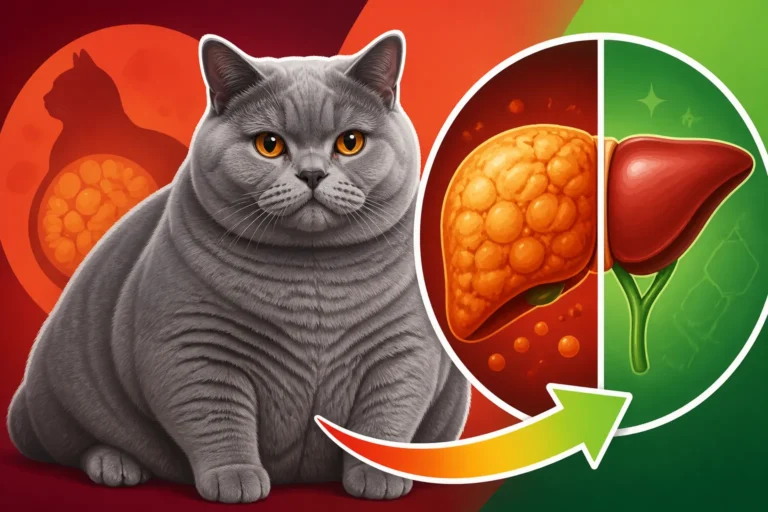
- Overall Body Condition: Vets assess weight, muscle mass, and skin/coat condition. An overweight British Shorthair can face its own set of health challenges, and breeders need to maintain their cats in ideal condition. For example, obesity is the British Shorthair's real disease, and a responsible breeder will ensure their cats are kept at a healthy weight.
These routine veterinary checks, alongside specialized genetic screenings, form a holistic approach to breeder health management.
Structural Soundness and Temperament
Beyond internal health, a responsible British Shorthair breeder also assesses the structural soundness and temperament of their breeding cats. These factors, while not always directly medical, are vital for producing healthy, well-adjusted kittens that embody the best traits of the breed.
- Structural Soundness: British Shorthairs are known for their cobby, well-rounded bodies, strong bones, and plush coats. A breeder should ensure their cats have good conformation, free from any structural abnormalities that could impact their quality of life or ability to move comfortably. This includes checking for proper bite, straight limbs, and a strong, muscular build. Any deviation from the breed standard that could compromise health or mobility should be a red flag. For instance, while British Shorthairs are sturdy, attention to joint health is important to avoid issues later, especially given their potential for weight gain.
- Temperament: A British Shorthair is celebrated for its calm, gentle, and affectionate nature. Breeding cats should exhibit these desirable traits. An overly shy, aggressive, or nervous temperament can be hereditary and is undesirable in breeding stock. A good breeder observes their cats' interactions, ensures they are well-socialized, and only breeds from individuals who display the classic, placid British Shorthair personality. This commitment to temperament ensures that the kittens they produce will grow up to be the wonderful companions the breed is known for.
By paying attention to these comprehensive health assessments, breeders are not just preventing disease; they are actively promoting a robust, well-adapted, and happy future for every British Shorthair kitten.
Evaluating Breeding Stock: What to Look for in Health Clearances
When you're looking for a British Shorthair kitten, seeing adorable pictures is only the first step. The real work begins in understanding and verifying the health clearances of the parents. This is where a responsible breeder shines, providing transparent and verifiable documentation. Don't be shy about asking for proof; a good breeder will be proud to share their extensive health records. They understand that you, as a prospective owner, are making a significant, long-term commitment.
Interpreting Health Certificates
Understanding the various health certificates can feel a bit overwhelming, but it's essential. Here’s a breakdown of what a British Shorthair breeder should have tested and what you should expect to see:
| Test Type | Condition Screened For | Method | Expected Result | Frequency | Registry Examples |
|---|---|---|---|---|---|
| HCM | Hypertrophic Cardiomyopathy | Echocardiogram by Cardiologist | Normal/Clear | Annually (breeding cats) | OFA (ECHO) |
| PKD | Polycystic Kidney Disease | DNA Test (PKD1 gene) | N/N (Homozygous Normal/Clear) | Once | UC Davis, Optimal Selection |
| Blood Type | Blood Type (A, B, AB) | DNA Test or Card Test | A/A, B/B, A/B | Once (breeding cats) | UC Davis, Antagene |
| Hemophilia B | Factor IX Deficiency | DNA Test (X-linked gene) | N/N (Clear), N/Carrier (Female Carrier) | Once | UC Davis, Optimal Selection |
| General Health | Overall Health, Parasites | Veterinary Examination | Healthy, no issues | Annually | Vet Records |
When a breeder presents these documents, ensure they are recent, bear the name of the breeding cat, and are from a reputable veterinarian or testing laboratory. For HCM, look for certifications from the Orthopedic Foundation for Animals (OFA) or European equivalent, showing "Normal" or "Clear" results. For DNA tests like PKD and Hemophilia B, you want to see "N/N" or "Clear" results. If you're encountering a breeder who hesitates or dismisses your questions about these tests, it's a significant red flag. They should be transparent about which health results a British Shorthair breeder must show. A comprehensive set of health clearances is the hallmark of ethical breeding.
The Cost of Responsible Breeding
It's a common misconception that kittens should be cheap. When you encounter a British Shorthair kitten for a very low price, it’s often a strong indicator that corners have been cut, especially in health testing. The reality is that responsible breeding, with all the necessary health screenings, is a significant financial investment. Imagine the cost of yearly specialist echocardiograms for every breeding cat, multiple DNA tests, comprehensive veterinary check-ups, high-quality nutrition, and top-tier facilities. These expenses add up quickly. For instance, what a British Shorthair's first year of screening totals can be substantial, and these ongoing costs are an integral part of maintaining a healthy breeding program.
This is where services like Healthy Paws pet insurance can become incredibly valuable for new owners. While insurance doesn't cover pre-existing conditions (which these screenings aim to prevent), it can help with unexpected health issues that arise later in a cat's life, even in well-bred individuals. A breeder who invests heavily in health testing is effectively giving you a "healthier head start" with your kitten, reducing the likelihood of early-onset genetic problems. So, while the initial purchase price might seem high, remember you are not just paying for a kitten; you are investing in a lifetime of well-being, supported by a breeder's commitment to optimal health. It's a testament to their dedication that they run every British Shorthair test deemed necessary by veterinary science.
Disclaimer
The information provided in this article is for general informational purposes only and does not constitute professional veterinary advice. Always consult with a qualified veterinarian or animal health professional for any health concerns or before making any decisions related to your pet's health and treatment.