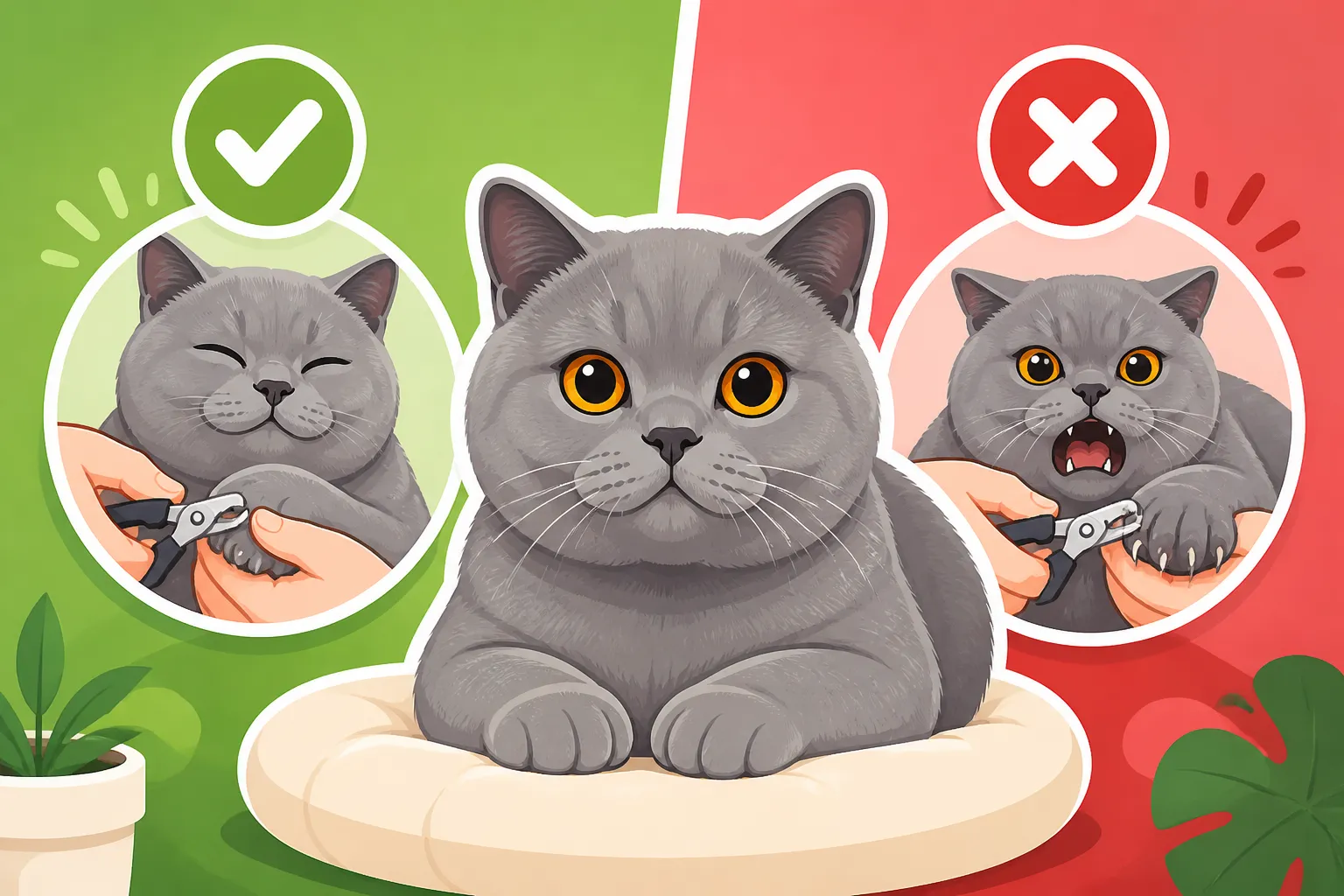
Whether a British Shorthair Will Sit for a Nail Trim
One of the trickiest parts of owning a British Shorthair, despite their wonderfully calm and often unflappable nature, can be the dreaded nail trim. You bring out the clippers, and suddenly your sweet, placid companion transforms into a wriggling, protesting ball of fur. This guide is here to walk you through whether your British Shorthair will ever truly "sit" for a nail trim, what makes it so challenging, and how you can make the process less of a battle and more of a bonding experience.
Understanding Your British Shorthair's Temperament and Nail Trims
British Shorthairs are renowned for their laid-back, docile personalities. They’re often described as easy-going "teddy bears" of the cat world, happy to observe from a comfortable distance rather than be a constant presence on your lap. This calm demeanor is one of their most beloved traits, leading many prospective owners to believe that routine care, like nail trims, will be a breeze. Unfortunately, while their temperament certainly helps in many areas, it doesn't always guarantee a perfectly compliant patient for pedicures.
The British Shorthair's Calm Demeanor and Its Limits
Yes, British Shorthairs are typically calm, quiet, and generally tolerant of household happenings. They're not usually the type to bolt at every sudden noise or climb the curtains just for fun. This calm nature means they are less likely to be overtly aggressive or bite out of sheer panic during a nail trim than some more highly strung breeds. However, "calm" doesn't necessarily mean "submissive." They still have their boundaries, and chief among them is often a strong dislike for restraint and having their paws manipulated.
Imagine someone holding your hand tightly and clipping your fingernails, especially if they've accidentally cut too short before. Even if you're a calm person, you'd likely feel some apprehension or discomfort. For a British Shorthair, whose paws are incredibly sensitive tools for balance, hunting, and self-defense, this invasiveness can feel threatening. Their calm can quickly turn into a determined stillness, followed by a sudden burst of wriggling or a sharp pull-back, testing the limits of your grip and their patience. Their quiet nature might even mean they suffer in silence until their discomfort boils over.
Why Nail Trims Can Be Stressful for Any Cat
It's not just British Shorthairs who object to nail trims; it's a common complaint among cat owners of all breeds. Cats' paws are packed with nerve endings, making them highly sensitive. This sensitivity is crucial for their agility and hunting prowess, allowing them to feel minute vibrations and textures. When you hold their paw and apply pressure, especially if you're slightly clumsy or they're anticipating pain, it can be profoundly unsettling.
Furthermore, being restrained, even gently, goes against a cat's natural instinct for control and escape. Cats are predators but also prey animals, meaning they need to feel ready to flee at a moment's notice. When you're holding them steady, they lose that sense of control, which can trigger anxiety. For a British Shorthair, whose instinct is often to retreat rather than confront, this loss of control can manifest as intense resistance, even if it's not accompanied by vocal protests. The experience of having their claws – their primary defense mechanism – clipped can feel like a direct threat, no matter how much they love you.
The Importance of Early Socialization
This is where preparation truly makes a difference. The earlier you start accustoming your British Shorthair to paw handling and nail trims, the better. Kittens are generally more pliable and open to new experiences than adult cats. If you begin gently touching their paws, pressing their toe beans, and even lightly simulating a trim with dull clippers from a young age, they're far more likely to accept it as a normal part of their routine.
Think of it like teaching a child to brush their teeth. You wouldn't wait until they're a teenager to introduce a toothbrush. For a British Shorthair kitten, regular, positive interactions with their paws, coupled with tasty treats, can build a foundation of trust and tolerance. Even if they don't love it, they'll learn that it's a short, predictable event followed by rewards, not a terrifying ordeal. How Young to Start Brushing a British Shorthair's Teeth touches on a similar principle for another routine care task.
Preparing for a Successful Nail Trim Session
Getting your British Shorthair to tolerate, or even sit for, a nail trim is a marathon, not a sprint. It requires patience, consistency, and a keen eye for your cat's comfort levels. Proper preparation can significantly reduce stress for both of you.
Creating a Calm Environment
Before you even think about picking up the clippers, set the stage for success. Choose a time when your British Shorthair is relaxed, perhaps after a nap or a quiet cuddle session, rather than when they're zooming around or just finished a meal. Find a quiet room with minimal distractions. Turn off loud music or the TV, and ensure other pets or boisterous children aren't around to interrupt. A calm, familiar space helps your cat feel more secure.
You might even want to diffuse some feline-friendly pheromone sprays in the room a little while beforehand. These can create a general sense of calm and reduce anxiety, making your British Shorthair a bit more receptive to handling. A soft blanket or towel on your lap can also provide a comfortable, non-slip surface for them to sit or lie on, which can be reassuring. The goal is to make the entire experience as mundane and non-threatening as possible.
Essential Tools and Proper Technique
Having the right tools is paramount, as is knowing how to use them. Dull or incorrect clippers can crush the nail, causing pain and making your cat even more resistant next time.
- Choose the Right Clippers: There are two main types: scissor-style and guillotine-style. Many owners find the scissor-style easier to use, especially for a cat's smaller claws. Make sure they are sharp. You can find excellent quality clippers on online retailers like Chewy or Amazon.
- Styptic Powder: This is an absolute must-have. Accidents happen, and if you cut into the quick (the pink part of the nail containing blood vessels and nerves), it will bleed. Having styptic powder immediately available will stop the bleeding quickly and minimize your cat's distress.
- High-Value Treats: Prepare small, incredibly delicious treats that your British Shorthair rarely gets. These will be crucial for positive reinforcement.
| Tool | Purpose | Why it's important |
|---|---|---|
| Sharp Clippers | Cleanly cut nails | Prevents crushing, pain, and splintering; ensures quick cuts |
| Styptic Powder | Stops bleeding from accidental quick cuts | Essential for safety and comfort |
| High-Value Treats | Positive reinforcement, distraction | Builds positive association with trims; rewards cooperation |
| Soft Towel/Blanket | Comfort and gentle restraint | Makes the cat feel secure; aids in holding gently |
When actually clipping, hold your cat's paw firmly but gently. Extend one claw by pressing lightly on the top of the paw (above the nail) and the toe pad below it. You'll see the claw emerge. Identify the quick – the pink part – and aim to cut only the clear, hooked tip, staying a safe distance away from the quick. If your British Shorthair has dark nails, it can be harder to see the quick; only trim a tiny bit off the very tip. It’s always better to cut too little than too much. Remember, the goal is to just take the sharp tip off, not to shorten the nail dramatically. Which Clippers Suit a British Shorthair's Thick Claws might offer more specific guidance.
Desensitization and Positive Reinforcement
This is the long-term strategy for getting your British Shorthair to "sit" for a nail trim. It's about breaking the process down into tiny, non-threatening steps and rewarding every bit of progress.
- Start with Touch: Begin by simply touching your cat's paws for a second or two, then immediately give a treat. Do this several times a day for a few days. Don't push it if they pull away. The idea is to make paw touches a normal, pleasant experience.
- Gentle Pressure: Once they're comfortable with paw touches, gently press on their toe beans to extend a nail, just for a moment. Release, and immediately offer a treat and praise. Repeat this for each paw, gradually increasing the duration of the gentle pressure.
- Introduce the Clippers (No Clipping): Let your British Shorthair see and smell the clippers. Place them near your cat while you're giving treats or petting them. Don't actually clip anything yet. Just make the clippers a non-threatening presence. You can even tap the clippers together gently near them so they get used to the sound.
- Simulated Clip: Hold the clippers near a nail, but don't cut. Just pretend to clip, then immediately offer a treat. The goal is to associate the presence and action of the clippers with something positive, even before the actual trim happens.
- One Nail at a Time: When you're ready to actually trim, try doing just one nail, then stop and give a big reward. If they tolerate one, maybe try two next time. Gradually work up to doing all nails on one paw, then eventually all four paws. This might take weeks or even months, but patience pays off.
- High-Value Rewards: This is where particularly enticing, novel treats might come in handy. Using something truly irresistible for these sessions makes the reward much more impactful. The reward has to be worth the perceived inconvenience or stress for your British Shorthair.
Consistency is key here. Short, frequent, positive sessions are much better than long, stressful ones. Always end on a positive note, even if you only managed one nail.
Common Challenges and Troubleshooting
Even with the best intentions and preparation, you might encounter resistance. It's important to know how to respond and when to seek additional help.
Dealing with Resistance and Fear
If your British Shorthair is actively resisting – wriggling, trying to scratch, vocalizing, or even growling – it's crucial not to escalate the situation. Forcing them will only solidify their negative association with nail trims.
- Stop and Re-evaluate: If your cat becomes highly agitated, stop the session immediately. Trying to push through will only make future attempts harder. Give them some space and try again later, or even the next day.
- Gentle Restraint: A soft towel or blanket can be your best friend. You can gently wrap your cat, burrito-style, leaving one paw exposed at a time. This provides a sense of security for them and prevents them from squirming away, without resorting to overly firm or painful grips. Ensure the wrap isn't too tight to cause distress or restrict breathing.
- Distraction: For some cats, a smear of wet food or a lickable treat paste on a plate or a lick mat can provide a fantastic distraction. While they're focused on licking, you can quickly snip a few nails. This works especially well if they're food-motivated.
- Stay Calm Yourself: Cats are incredibly attuned to our emotions. If you're stressed or frustrated, your British Shorthair will pick up on it, increasing their own anxiety. Take a deep breath, maintain a calm demeanor, and speak in a soothing voice.
Remember, a British Shorthair's calm nature can sometimes mask deeper anxiety. Their resistance might not be aggressive, but a quiet, firm refusal to cooperate. Respect that signal.
The "Quick" and What Happens if You Cut It
The quick is a sensitive part of your cat's nail that contains blood vessels and nerves. Cutting into it is painful and will cause bleeding. It's the primary reason cats develop an aversion to nail trims.
- Identifying the Quick: On clear or light-colored nails, the quick appears as a pinkish area inside the nail. On dark nails, it's almost impossible to see. In such cases, only trim the very tip, where the nail starts to curve, which is typically devoid of the quick.
- If You Cut the Quick: Don't panic! It happens to even experienced owners. Immediately apply styptic powder to the bleeding nail. You can also use a clean cloth with cornstarch or flour in a pinch, though styptic powder is far more effective. Apply pressure for a minute or two until the bleeding stops. Apologize to your cat, give them some comforting words, and end the session on a quiet note, even if it means no treats. You'll likely need to rebuild some trust after this, so go back to basic desensitization steps for a while.
- Consequences: Besides immediate pain and bleeding, cutting the quick can make your British Shorthair deeply distrustful of future trims. They'll remember the pain. This is why it’s always better to clip less than more, and to prioritize sharp clippers that make a clean, quick cut.
When to Seek Professional Help
There's absolutely no shame in admitting that nail trims are beyond your skill set or your cat's tolerance. Sometimes, professional help is the safest and least stressful option for everyone involved.
- Veterinary Team: Your vet and their technicians are experienced in handling all sorts of cats, including those who are less than cooperative. They can often do quick and efficient trims during routine check-ups. They can also demonstrate proper technique and offer advice tailored to your cat's specific temperament. They might even suggest mild sedation if your British Shorthair becomes extremely stressed or aggressive, though this is usually a last resort.
- Professional Groomers: Many cat groomers offer nail trimming services. They often have specialized equipment and techniques for handling cats and can complete the task with minimal fuss. Look for groomers who are experienced specifically with felines, as cat grooming differs significantly from dog grooming.
- Ongoing Fear: If despite all your efforts, your British Shorthair remains terrified or aggressive during nail trims, a professional can provide the necessary care while minimizing distress. This regular maintenance is crucial for their health, as overgrown nails can snag, break, cause pain, and even grow into their paw pads. Remember, healthy nails are an important part of What a British Shorthair Does All Day.
Long-Term Strategies for Nail Care
Getting your British Shorthair to "sit" for a nail trim might be an ambitious goal, but getting them to tolerate it with minimal fuss is entirely achievable with the right approach and long-term commitment.
Consistency is Key
The more consistently you handle your British Shorthair's paws and perform short, positive trimming sessions, the more normalized the experience will become. Don't wait until their nails are dangerously long before attempting a trim. Aim for a quick check and trim every 2-4 weeks. This keeps the nails at a manageable length and also helps the quick recede slightly over time, making future trims easier and safer.
Regularity builds routine, and cats thrive on routine. If they know what to expect, and that it's always a brief, non-painful event followed by rewards, their anxiety will naturally decrease. Skipping trims for too long means the quick will grow out with the nail, making it harder to shorten the nails without risking a cut, and making the next session even more challenging. How Often a British Shorthair's Claws Need Cutting elaborates on the importance of this schedule.
Alternative Solutions for Nail Health
While direct clipping is often necessary, you can also support your British Shorthair's nail health and perhaps reduce the frequency of trims through other means.
- Scratching Posts and Surfaces: This is fundamental. Provide a variety of scratching options – vertical sisal posts, horizontal cardboard scratchers, angled scratchers – to see what your British Shorthair prefers. Scratching helps them shed the outer layers of their claws, keeping them sharp and healthy, and can wear down the tips naturally. Ensure these are sturdy enough for a substantial cat like a British Shorthair; flimsy posts are quickly ignored. You can find many options on Amazon or Chewy.
- Cat Trees: While British Shorthairs aren't typically avid climbers, a sturdy Which Cat Tree a British Shorthair Uses can offer vertical scratching surfaces and elevated resting spots. The act of climbing and stretching can also help with natural nail wear.
- Nail Caps: These are soft, vinyl caps that are glued over your cat's existing nails. They prevent scratching damage to furniture and can protect the nails themselves. They fall off naturally with nail growth and need to be replaced every 4-6 weeks. This is a good option if you struggle with clipping and need an alternative to protect your home, but they still require some handling of the paws to apply.
- Routine Play: Encouraging active play, especially with toys that involve batting and pouncing, can sometimes help naturally wear down the very tips of the claws. While a British Shorthair isn't known for being hyperactive, even short bursts of vigorous play can be beneficial. Getting a Low Energy British Shorthair to Move might give you ideas for encouraging this.
Integrating Nail Care into Routine Wellness
Think of nail trims not as an isolated chore, but as one piece of your British Shorthair's overall health and wellness puzzle. Good nutrition, regular vet check-ups, and a comfortable home environment all contribute to a cat who is less stressed and more tolerant of necessary handling.
A healthy, well-adjusted British Shorthair is more likely to cooperate during routine care. Ensure they are on a balanced diet, that their weight is managed, and that they get enough mental and physical enrichment. A cat that feels good, physically and mentally, will be much more amenable to having their paws handled than one who is in discomfort, overweight, or anxious. It’s all interconnected. Ultimately, while your British Shorthair might never truly “sit” like a dog for a nail trim, with patience, positive reinforcement, and understanding, you can certainly make it a manageable and even peaceful experience for both of you.
Disclaimer
This article is for general informational purposes only and does not constitute professional advice. Laws, prices and regulations vary by location and change over time. Consult a qualified professional for guidance on your specific situation.