Whether Wet Food Keeps a British Shorthair Slimmer
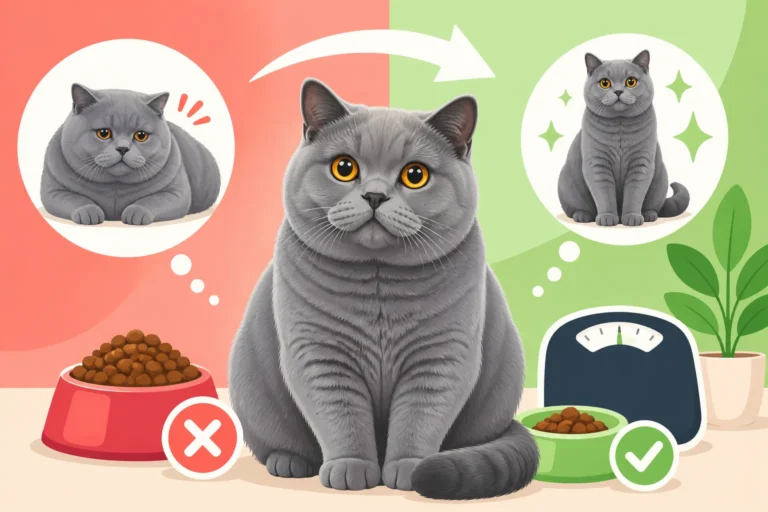
One of the biggest worries for British Shorthair owners is managing their beloved cat's weight. Their naturally sturdy build and laid-back personality often lead to them looking perpetually plump, leaving many of us wondering if we're doing enough to keep them healthy without them feeling deprived. This guide will dive deep into whether feeding your British Shorthair wet food can genuinely help them stay slimmer and how to implement it effectively.
Understanding the British Shorthair's Predisposition to Weight Gain
It's no secret that British Shorthairs are magnificent, plush-coated felines, known for their round faces and robust bodies. This endearing appearance, however, can sometimes be a double-edged sword when it comes to weight management. Unlike more agile or energetic breeds, British Shorthairs tend to be quite placid, preferring long naps on the sofa to acrobatic feats. This lower activity level, combined with a hearty appetite, creates a perfect storm for weight gain if their diet isn't carefully managed.
The British Shorthair's Build and Lifestyle
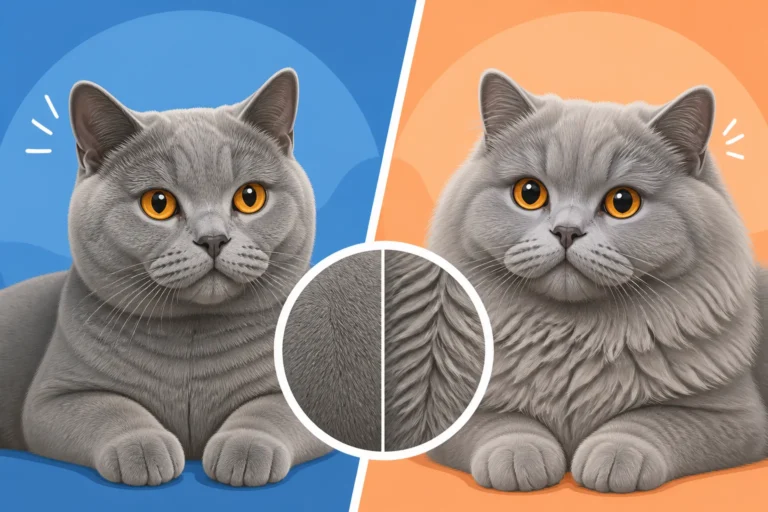
Their breed standard calls for a "cobby" body, which means they are compactly built, broad in the chest, and well-muscled. This isn't a fluffy build; it's genuinely substantial. When you combine this natural density with their thick, plush coat, it can be incredibly difficult to accurately assess their body condition just by looking at them. Many owners unknowingly allow their British Shorthair to creep towards being overweight because what looks "chunky" or "solid" to the eye is often already tipping into unhealthy territory. Their calm demeanor means they don't burn as many calories naturally throughout the day as a high-energy Siamese, for example. They're more inclined to observe than to participate in vigorous play, making it crucial for owners to initiate and encourage any physical activity. It’s important to remember that Obesity Is the British Shorthair's Real Disease and can lead to a host of other health issues down the line.
Why Weight Management is Crucial
An overweight British Shorthair isn't just a cosmetic concern; it significantly impacts their health and quality of life. Excess weight puts undue strain on their joints, potentially leading to or worsening conditions like arthritis, especially as they age. It increases their risk of developing serious conditions such as diabetes, heart disease, and urinary tract issues. Even simple acts like grooming can become a challenge if they can't comfortably reach certain areas, leading to matted fur and skin problems. This can be a frustrating cycle, as lack of mobility leads to less activity, which in turn leads to more weight gain. Understanding Why a British Shorthair Gains Weight So Easily is the first step in prevention and management.
The Role of Wet Food in British Shorthair Weight Management
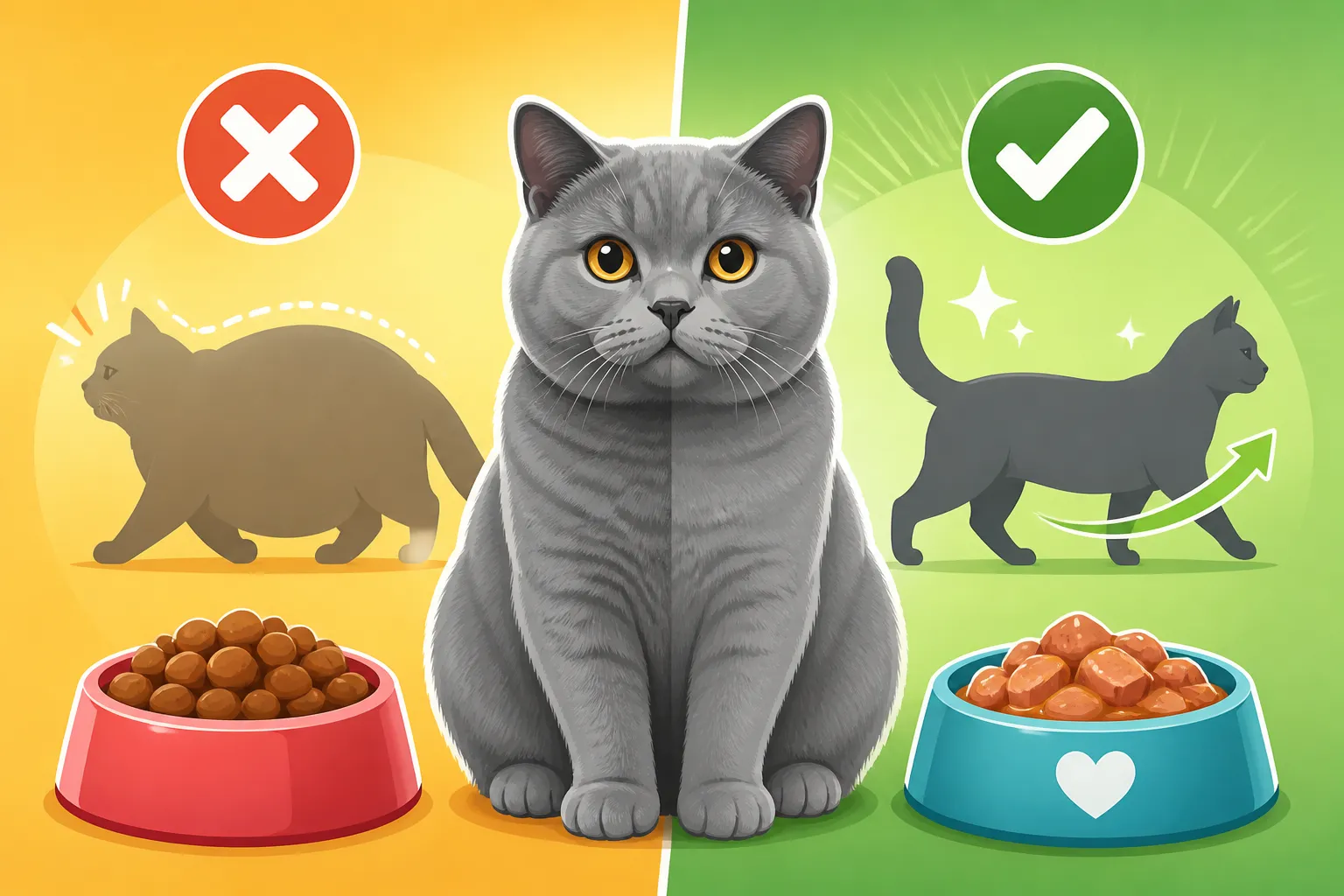
So, does wet food really keep a British Shorthair slimmer? The short answer is: it can be a powerful tool in your arsenal, largely due to its high moisture content and often lower calorie density per serving compared to dry kibble.
The Power of Water Content
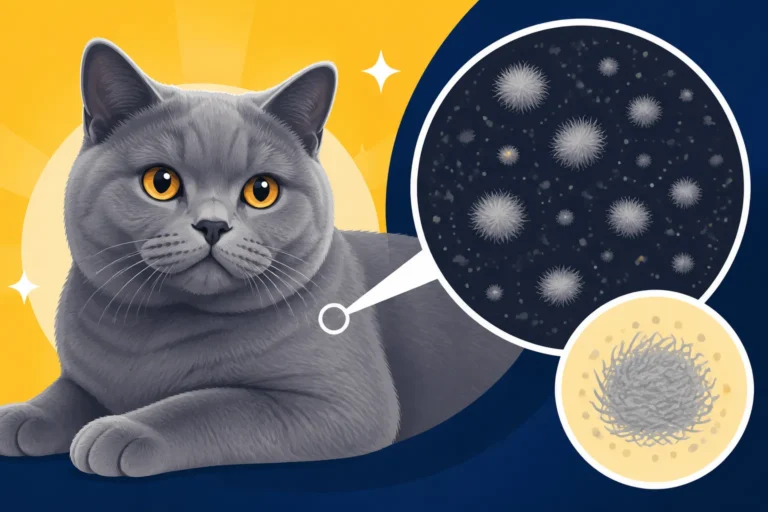
Wet food, as the name suggests, has a significantly higher moisture content – often 70-80% water. Dry kibble, by contrast, usually contains only 5-10% moisture. This difference is huge when it comes to making your cat feel full. Imagine eating a small, dense biscuit versus a larger bowl of soup. The soup, despite potentially having fewer calories, feels far more substantial because of its volume. The same principle applies to cats. When a British Shorthair eats wet food, they consume a larger volume of food for the same, or even fewer, calories. This helps them feel more satisfied after a meal, reducing the urge to beg for more food or overeat.
Furthermore, the increased water intake from wet food contributes to better overall hydration. Many cats, including British Shorthairs, aren't naturally inclined to drink large amounts of water from a bowl. Wet food helps supplement their fluid intake, which is beneficial for kidney health and can help prevent urinary problems. While not directly related to weight loss, good hydration supports overall metabolic health, which is certainly a plus for a cat on a diet.
Calorie Density and Satiety
Because wet food contains so much water, its caloric density per gram or ounce is typically much lower than dry food. This means you can feed your British Shorthair a larger portion size in terms of volume, for the same number of calories they would get from a much smaller amount of dry food. This optical illusion can be very satisfying for both you and your cat. You feel like you're giving them a good, hearty meal, and they feel full without consuming excessive calories. This is crucial for a breed that often has a hearty appetite. If you're struggling to understand How Many Calories a British Shorthair Needs, a vet can help you calculate this based on their ideal weight and activity level.
Let's look at a simplified comparison:
| Feature | Dry Food (Kibble) | Wet Food (Canned/Pouch) |
|---|---|---|
| Water Content | Low (5-10%) | High (70-80%) |
| Calorie Density | High (more calories per small volume) | Lower (fewer calories per larger volume) |
| Satiety | Less filling by volume, can lead to overeating | More filling by volume, helps feeling of fullness |
| Hydration | Minimal contribution to water intake | Significant contribution to daily water intake |
| Texture | Crunchy, good for teeth (though often overstated) | Soft, varied textures, often more palatable |
| Protein Content | Variable, but often lower by weight than wet food | Often higher by weight, essential for muscle mass |
It’s worth noting that simply switching to wet food isn't a magic bullet. You still need to manage portions. Even high-quality wet food can lead to weight gain if overfed, especially if it's a calorie-dense formula or one loaded with unnecessary fillers. The key is using its inherent properties to your advantage – leveraging the water content for satiety and being mindful of the actual calorie count for your British Shorthair’s specific needs.
Protein Content and Muscle Mass
Another benefit often associated with wet food, particularly high-quality formulations, is its typically higher protein content when measured on a dry matter basis. Protein is vital for maintaining lean muscle mass, which is particularly important during weight loss. When a cat loses weight, you want them to lose fat, not muscle. A diet rich in protein helps preserve muscle mass, which in turn helps keep their metabolism healthy. This is especially relevant for British Shorthairs who, as mentioned, are naturally muscular. Feeding an appropriate protein level, found more readily in many wet foods, supports their overall health as they work towards a healthier weight.
Practical Application: Integrating Wet Food for a Slimmer British Shorthair
Transitioning your British Shorthair to a wet food-centric diet for weight management requires a thoughtful approach. Cats, especially British Shorthairs, can be creatures of habit, and sudden changes can lead to refusal or digestive upset.
Gradual Transition and Portion Control
The golden rule for introducing any new food is to do it gradually. Start by mixing a small amount of the new wet food with their current dry food, slowly increasing the wet food proportion over 7-10 days. Observe your cat for any signs of digestive distress like vomiting or diarrhea. If they're particularly finicky, you might need to go even slower, perhaps just offering a tiny dollop of wet food on the side for a few days before mixing.
Portion control is absolutely paramount, regardless of whether you're feeding wet or dry food. This cannot be stressed enough. Don't assume that because wet food is "better" for weight, you can feed unlimited amounts. Always consult the feeding guidelines on the specific wet food product, but remember these are often just a starting point. Your vet can help you determine the exact calorie target for your British Shorthair based on their current weight, ideal weight, and activity level. Many owners fall into the trap of free-feeding, which is almost certainly a recipe for an overweight British Shorthair. Why Free Feeding Ruins a British Shorthair is a topic we've covered before, and it holds true for all food types. Divide their daily caloric intake into 2-3 smaller meals to help manage hunger throughout the day.
Choosing the Right Wet Food
Not all wet foods are created equal, especially when it comes to weight management. Look for options that are high in animal-based protein and low in carbohydrates. Avoid foods with excessive fillers like grains or vegetables if your primary goal is weight loss, unless specifically recommended by your vet for other health reasons. Ingredient lists should prioritize meat, poultry, or fish as the first few ingredients. Fresh, human-grade options can be precisely portioned and are often very appealing to cats. Mainstream brands available on platforms like Chewy or Amazon also have excellent weight management formulas.
Consider different textures if your cat is particular. Some British Shorthairs prefer pâtés, while others might go for chunks in gravy or shredded meats. Experiment to see what your cat enjoys most, as palatability is key to successful long-term dietary changes.
Monitoring Progress and Adjusting
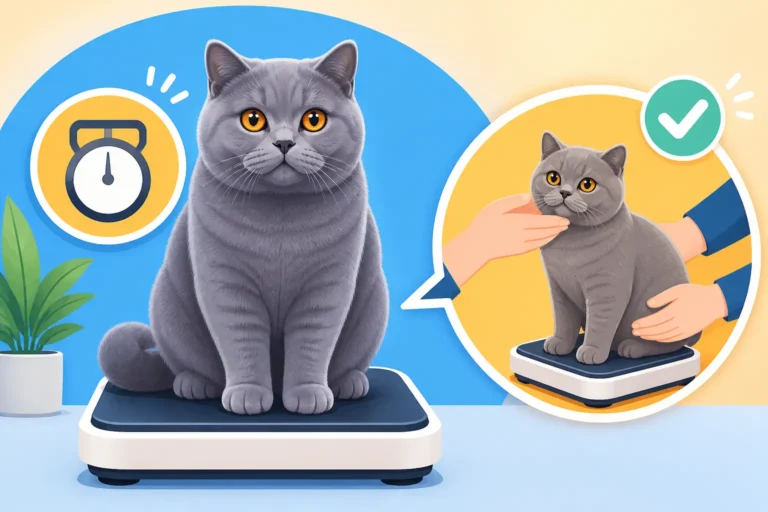
Regularly monitoring your British Shorthair's weight and body condition is essential. Aim to weigh them at home weekly or bi-weekly. Many vets recommend using a baby scale for accuracy. It’s also crucial to learn How to Feel a British Shorthair's Ribs Through the Plush to assess their body condition score, as the scale alone doesn't tell the whole story. You should be able to feel their ribs with light pressure, without them being visible. Their waist should be discernible when viewed from above, and there should be a slight tummy tuck when viewed from the side.
If your British Shorthair isn't losing weight, or if they're losing it too quickly (which can be dangerous for cats), adjust their portions. Work closely with your veterinarian throughout this process. They can provide professional guidance, rule out underlying medical conditions, and help you set realistic weight loss goals. Remember, How Many Weeks a British Shorthair Diet Should Take is a marathon, not a sprint, and patience is key.
Beyond Wet Food: A Holistic Approach to British Shorthair Slimness
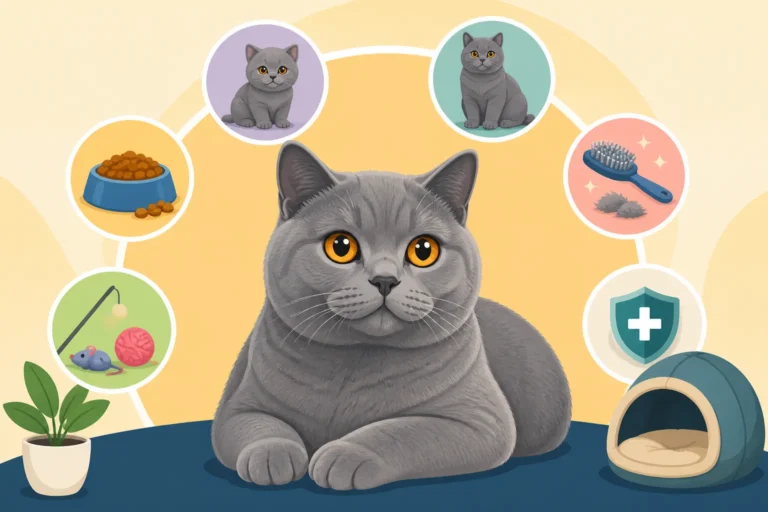
While wet food is a fantastic component, a successful weight management plan for your British Shorthair needs to be holistic, addressing diet, exercise, and overall lifestyle.
Encouraging Play and Activity
This can be the trickiest part for a typically sedentary British Shorthair. Their natural inclination is to conserve energy, but even short bursts of play throughout the day can make a difference. Interactive wand toys are often highly effective, as they mimic prey and engage their hunting instincts without requiring them to be overly athletic. Laser pointers can be fun, but always end a laser session with a tangible toy they can "catch" to prevent frustration. Puzzle feeders can also be a wonderful way to combine mental stimulation with mealtime, making them work for their food and slowing down consumption. Whether a Puzzle Feeder Motivates a British Shorthair really depends on the individual cat, but it's certainly worth a try.
Consider setting up vertical spaces like cat trees or shelves, though a heavy British Shorthair might prefer sturdy, lower platforms. Even five to ten minutes of active play, two or three times a day, can contribute significantly to their calorie expenditure and overall well-being. Don't be discouraged if they only play for a few minutes; consistency is more important than intensity. We've discussed Getting a Low Energy British Shorthair to Move in detail, and those tips can be invaluable here.
Mindful Snacking and Treats
Treats are often a major hidden source of calories. If you're serious about helping your British Shorthair slim down, treats need to be drastically reduced or completely eliminated during the active weight loss phase. If you do offer them, choose low-calorie, healthy options, and ensure they are accounted for in their daily calorie allowance. Break treats into smaller pieces to make them last longer and seem like more. Even better, use a portion of their daily wet food ration as a "treat" in a puzzle feeder.
It's also essential that no human food finds its way into their bowl or mouth. While tempting to share, many human foods are high in calories, fats, or ingredients that are unhealthy or even toxic for cats.
Regular Veterinary Check-ups
Your veterinarian is your most important partner in your British Shorthair's weight management journey. Regular check-ups allow them to monitor your cat's health, discuss their progress, and adjust the diet plan as needed. They can also screen for any underlying medical conditions that might contribute to weight gain or make weight loss more challenging, such as thyroid issues, though hyperthyroidism typically leads to weight loss. This continuous professional oversight ensures your British Shorthair is losing weight safely and effectively, contributing to a longer, healthier, and happier life. When looking at What a British Shorthair's Yearly Bloodwork Should Cover, your vet will likely recommend panels that can help identify any metabolic issues early on.
Conclusion: A Healthier, Happier British Shorthair
So, can wet food keep a British Shorthair slimmer? Absolutely, when chosen wisely and fed with strict portion control. Its high moisture content provides satiety, its lower caloric density per volume helps cats feel fuller, and a good protein profile supports lean muscle mass. However, it's not a standalone solution. A truly effective weight management plan for your beloved British Shorthair integrates diet, regular (even if gentle) exercise, mindful treats, and consistent veterinary guidance. By taking a holistic approach, you can help your British Shorthair achieve and maintain a healthy weight, ensuring they remain the cuddly, charming companions we all adore for many years to come.
Disclaimer
This article is for general informational purposes only and does not constitute professional advice. Laws, prices and regulations vary by location and change over time. Consult a qualified professional for guidance on your specific situation.