Where a British Shorthair Mats
It’s a familiar sight for many British Shorthair owners: you’re admiring your cat’s magnificent, plush coat, only to run your fingers through it and hit a stubborn, felted lump. Mats are more than just an aesthetic issue; they can be painful, pull on the skin, and even lead to skin infections if left untended. This guide will help you understand why British Shorthairs are prone to matting, where these pesky knots commonly form, and how to effectively prevent and address them, ensuring your furry friend stays comfortable and happy.
Understanding the British Shorthair Coat and Matting
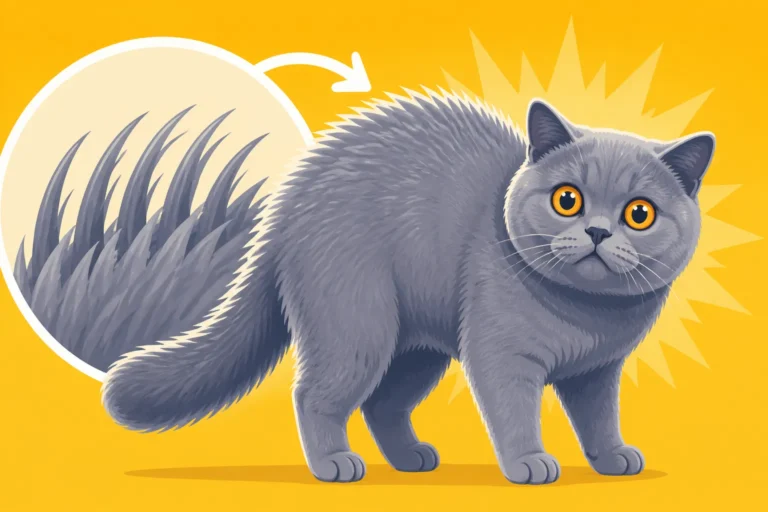
The British Shorthair is renowned for its dense, plush coat, often described as "crisp" and "standing away from the body." While this teddy-bear like fur is undeniably charming, it's also the primary reason these cats are prone to matting. Their unique coat structure creates a perfect storm for tangles and knots, requiring consistent care to keep it in top condition.
The Unique Structure of Their Plush Coat
Unlike some other breeds with fine, silky hair, the British Shorthair possesses a double coat. This means they have a soft, thick undercoat beneath a slightly coarser, protective outer layer of guard hairs. The undercoat is incredibly dense, providing insulation, and it’s this density that can easily trap loose hairs, shed fur, and debris. When these loose hairs don't get removed through regular grooming, they intertwine with the healthy fur, compacting into solid, often painful, mats. Imagine a wool sweater that's been through the wash too many times without proper care – it shrinks, thickens, and becomes almost felt-like. That’s essentially what happens with a British Shorthair's mats. The guard hairs are resilient, but the sheer volume and texture of the undercoat are the main culprits. A British Shorthair's Coat Stands Away From Its Body because of this structure, which also allows air to circulate, but paradoxically, makes it easier for mats to hide.
Why Mats Form So Easily
Mats don't just appear overnight; they develop gradually from a combination of factors specific to the British Shorthair's physiology and lifestyle. One major contributor is their relatively low activity level. While some cats are constantly on the move, naturally rubbing against furniture or objects that might dislodge loose fur, British Shorthairs are often more sedentary. This means less natural friction to help shed loose hair, leaving more of it trapped in their thick undercoat.
Another factor is their shedding cycle. British Shorthairs shed year-round, but they have distinct "blowing coat" periods, typically in spring and autumn, where they shed their undercoat more heavily to adapt to seasonal temperature changes. During these times, the volume of loose hair increases dramatically, and if not removed swiftly, it will inevitably lead to mat formation. The Two Weeks a British Shorthair Drops Its Undercoat can feel like a daily battle against fur. Even their self-grooming habits, while diligent, aren't always enough to penetrate their deep, dense coat, especially in hard-to-reach areas. Add to this any external factors like dust, dirt, dander, or even remnants of food from their robust jowls, and you've got a recipe for mats.
Common Matting Zones on a British Shorthair
Understanding where mats typically form on a British Shorthair is crucial for effective prevention and removal. These areas are often where friction occurs, where hair is naturally longer or finer, or where the cat struggles to groom themselves adequately.
Under the Legs and Armpits
This is arguably the most common and often the most problematic area for matting. The hair in a cat's armpits and inner thighs is generally softer and finer than on their main body, making it more prone to tangling. More importantly, these areas experience constant friction from movement. Every time your British Shorthair walks, stretches, or lies down, their legs rub against their body, effectively knotting any loose fur into tight, painful mats. These mats can quickly become deeply embedded, pulling on the delicate skin and making movement uncomfortable. Imagine wearing a tight, scratchy knot under your arm all day – it's no fun for them, either. Often, owners discover these mats when they notice their cat hesitating to stretch out or becoming unusually sensitive when touched in these regions.
Behind the Ears and Under the Chin
The areas behind the ears and under the chin are also prime spots for mat formation. The fur here tends to be particularly soft and fine, almost downy, especially behind the ears. When your British Shorthair scratches an itch with their back paw, they can inadvertently create tangles. Similarly, when they rub their head against furniture or your leg, the friction can contribute to knotting. For males, especially those with prominent jowls (those wonderful, full cheeks!), food and water can sometimes get trapped in the fur under the chin, leading to sticky residue that, if not cleaned promptly, can quickly form a mat. These mats can be tricky to spot until they're quite large, as they are often out of direct line of sight.
Around the Collar Area
If your British Shorthair wears a collar, especially one that fits snugly or isn't removed regularly, the area beneath it is a magnet for mats. The constant rubbing of the collar against the fur creates friction, much like the armpits. This friction, combined with any loose undercoat, compresses the fur, forming a tight ring of mats right around their neck. It's often worse if the collar gets wet and stays damp, or if the cat frequently scratches at it. It's a sad irony that a collar meant for safety can cause such discomfort, but it's a common issue. Regularly checking under your cat’s collar and ensuring it's not too tight is essential. Some owners even opt for break-away collars that can be removed for grooming sessions to prevent this specific problem.
The Belly and Groin Area
The soft, fluffy fur on your British Shorthair's belly and around their groin is another hotspot for matting. This area is often difficult for the cat to groom themselves effectively, especially as they get older or if they become a bit chunky. Why an Overweight British Shorthair Stops Grooming Its Back is a common problem that extends to their underside as well. They simply can't reach! When they lie down, particularly on rough surfaces, the fur on their belly can get compressed and tangled. This is especially true if they enjoy sprawling out on carpets or textured blankets. Additionally, this area can become soiled more easily, and any sticky residue or dried waste can quickly lead to matting, which is not only uncomfortable but also unhygienic. Regular checks of their belly are crucial, even if it means gently flipping them over for a quick inspection.
Preventing Mats: Daily Care and Grooming Techniques
The best offense is a good defense when it comes to British Shorthair mats. A consistent, proactive grooming routine is your most powerful tool. It’s not just about aesthetics; it's about your cat's comfort and long-term health.
The Importance of Daily Combing
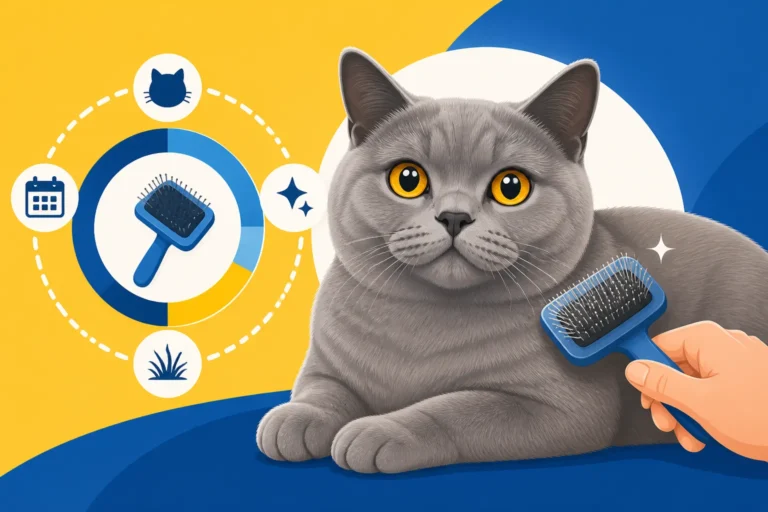
I cannot stress this enough: daily combing is paramount for a British Shorthair. Their dense undercoat acts like velcro for shed hairs, and if you don't remove them consistently, they will inevitably felt together. A quick 5-10 minute session each day can make all the difference. Don't just skim the surface; you need to get down to the skin. The goal is to remove as much loose hair as possible before it has a chance to form mats. Think of it as raking leaves before they pile up and get wet.
For British Shorthairs, a metal comb with both wide and fine teeth is your best friend. Why a Comb Beats a Brush on a British Shorthair is because combs are designed to penetrate that thick undercoat and pull out loose hairs, whereas many brushes just glide over the top. Start with the wider teeth to work through the bulk of the coat, then switch to the finer teeth for a more thorough job, especially in those common matting areas. Always comb gently, following the direction of hair growth. If you hit a snag, don't yank! Gently try to work it out with the comb or your fingers. Getting your cat used to this routine from a young age will make it a much more pleasant experience for both of you.
Choosing the Right Grooming Tools
Having the correct tools makes grooming much easier and more effective. For British Shorthairs, forget the slicker brushes; they often just scratch the skin and don't get deep enough into the coat. Your essential toolkit should include:
- Metal Comb: As mentioned, a good quality stainless steel comb with varying tooth spacing is indispensable. Brands like Safari or Le Salon offer excellent options available on Chewy or Amazon.
- De-shedding Tool: While not for daily use, a tool like a Furminator can be very effective during peak shedding seasons to remove significant amounts of undercoat. Use it sparingly and gently to avoid irritating the skin or damaging the guard hairs. Whether a Deshedding Tool Suits a British Shorthair is a nuanced question; it's great for shedding seasons but not for routine daily combing.
- Blunt-ended Scissors: For very small, superficial mats that you can easily get your fingers under, blunt-ended scissors can be used with extreme caution. Always aim to cut above the mat, parallel to the skin, never pointing towards the skin. This should only be attempted if you are confident and the mat is not tight against the skin.
- Nail Clippers: While not directly for coat care, keeping your cat's nails trimmed can prevent them from accidentally scratching themselves if a mat causes irritation, and it makes handling them for grooming much safer. How Often a British Shorthair's Claws Need Cutting is generally every 2-4 weeks.
Regular Baths and Professional Grooming
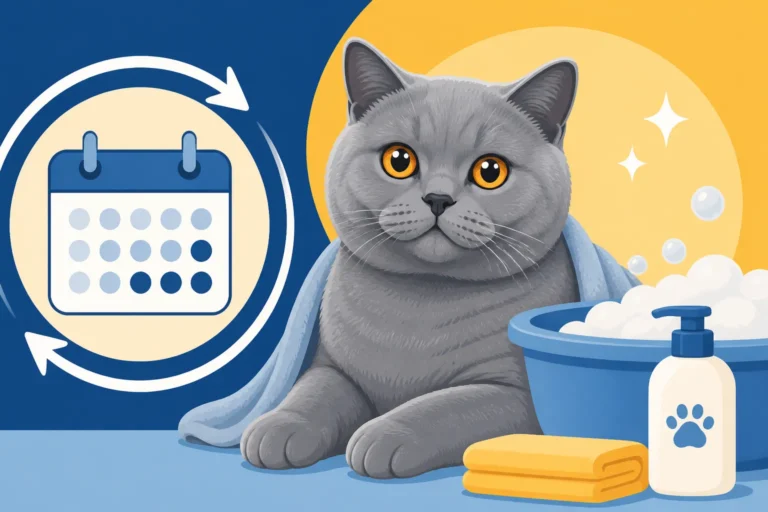
While British Shorthairs aren't typically keen on water, occasional baths can help. A bath can loosen dead hair and dander, making it easier to comb out. However, always ensure your cat is thoroughly combed before a bath. Bathing a matted cat will only tighten the mats and make them nearly impossible to remove. Use a gentle, cat-specific shampoo and rinse thoroughly to prevent skin irritation. After the bath, gently towel dry and then use a low-heat blow dryer while combing to ensure the undercoat is completely dry. How Often a British Shorthair Needs a Bath is not very often, perhaps once every few months or as needed.
For cats with severe matting or those who are simply resistant to at-home grooming, professional grooming is a valuable option. A professional groomer has specialized tools and techniques, and they can often remove mats more safely and efficiently than an owner. They can also offer "lion cuts" for severely matted cats, which involves shaving down the coat. While this might seem drastic, it provides a fresh start, relieves pain, and allows the coat to grow back healthy, free of mats. Many British Shorthair owners opt for a professional de-shedding treatment periodically, which can significantly reduce the amount of loose hair and help prevent future matting. Whether a British Shorthair Needs Professional Grooming really depends on the individual cat and the owner's commitment to at-home care.
Dealing with Existing Mats: Safe Removal and When to Seek Help
Despite your best efforts, sometimes mats happen. The key is to address them quickly and safely. Attempting to pull or aggressively brush out a tight mat will only cause pain and distress for your cat, potentially leading to a fear of grooming.
Gently Detangling Small, Loose Mats
If you discover a small, loose mat that isn't tight against the skin, you can often gently detangle it yourself.
- Isolate the Mat: Use your fingers to gently separate the mat from the surrounding healthy fur. This prevents pulling on unaffected hair.
- Apply a Detangling Spray (Optional): A cat-safe detangling spray can help lubricate the fur and make it easier to work through. You can find these at pet stores or online at Chewy.
- Use Your Fingers First: Try to break apart the mat into smaller sections with your fingers. This is less painful than going straight in with a comb.
- Comb Gently from the Edges: Using the wider teeth of your metal comb, start working from the very edge of the mat, gently teasing out small sections of hair. Work slowly, patiently, and in short strokes. Always hold the fur at the base of the mat, close to the skin, to minimize pulling on your cat's skin. This is like holding hair at the root when brushing a tangle in human hair.
- Small Cuts with Blunt Scissors (Extreme Caution): If a small mat is stubbornly resisting the comb, and you can easily get your fingers between the mat and the skin, you can make tiny, superficial cuts into the mat parallel to the skin to break it into smaller pieces. NEVER point scissors towards the skin. If in doubt, do not attempt this.
Remember, a patient approach is vital. If your cat shows any signs of discomfort or aggression, stop immediately. It's not worth risking injury to yourself or traumatizing your cat.
When to Seek Veterinary or Professional Grooming Assistance
There are definite situations where at-home mat removal is not safe or advisable, and it's time to call in the professionals.
- Large, Tight, or Multiple Mats: If a mat is large, solid, and pulled tightly against the skin, or if your cat has multiple mats, it's best left to a vet or professional groomer. These mats can hide skin infections, wounds, or parasites underneath, and attempting to remove them yourself can be incredibly painful and risk cutting your cat's skin.
- Mats Causing Pain or Skin Irritation: If your cat is clearly uncomfortable, limping, licking excessively at an area, or if you see redness, swelling, or open sores beneath a mat, do not try to remove it. A vet can sedate your cat if necessary to safely remove the mats and treat any underlying skin issues.
- Aggressive or Stressed Cat: If your British Shorthair becomes stressed, aggressive, or tries to bite or scratch during grooming attempts, it's a sign that they need professional help. Safety for both you and your cat is paramount. A vet can assess if sedation is needed for a less stressful experience.
- Lack of Proper Tools or Experience: If you don't feel confident or don't have the right tools, don't risk it. A skilled groomer has specialized clippers that can safely shave mats away without damaging the skin.
Trust me, many British Shorthair owners have faced this challenge. It's far better to pay a professional to ensure your cat's comfort and safety than to cause them pain or injury trying to tackle it yourself. You can often find reputable groomers through your vet's office or by searching online pet services like those listed on Amazon or local directories.
Table: Grooming Tools Comparison
Here's a quick comparison of common grooming tools and their suitability for a British Shorthair's coat, especially concerning mats.
| Tool Type | Best Use for British Shorthair | Benefits | Drawbacks / Cautions | Where to Find |
|---|---|---|---|---|
| Metal Comb | Daily detangling, removing loose undercoat, mat prevention | Penetrates dense coat, efficient at removing shed hair | Can pull if used roughly, requires patience | Pet stores, Chewy, Amazon |
| De-shedding Tool | During heavy shedding seasons (e.g., Furminator) | Highly effective at removing large amounts of undercoat | Can damage guard hairs if overused, can irritate skin | Pet stores, Chewy, Amazon |
| Slicker Brush | Generally not recommended for British Shorthairs | Good for fine, silky coats | Doesn't penetrate dense coat effectively, can scratch delicate skin, causes static | Not ideal for BSH, but widely available |
| Blunt-Ended Scissors | Very small, superficial mats (with extreme caution) | Allows precise, minimal cutting of small tangles | High risk of cutting skin if not used correctly, never point towards the body | Pharmacies, craft stores, Amazon |
| Electric Clippers | Professional mat removal, lion cuts, sanitary clips | Safest for severe mats, provides clean shave | Requires training/skill, can cause clipper burn, typically vet/groomer use, noisy | Professional groomers, veterinary clinics |
| Grooming Glove | Light surface shedding, bonding, distributing natural oils | Gentle, good for cats who dislike traditional tools | Not effective for deep mats or dense undercoat removal | Pet stores, Chewy, Amazon |
Regular grooming is more than just maintaining a beautiful coat; it's an essential part of your British Shorthair's overall health and well-being. By understanding their unique coat and proactively addressing matting, you can help them live a comfortable, pain-free life. Don't underestimate the power of a daily comb and the wisdom to know when to call in the experts. Your British Shorthair will thank you for it!
Disclaimer
This article is for general informational purposes only and does not constitute professional advice. Laws, prices and regulations vary by location and change over time. Consult a qualified professional for guidance on your specific situation.