Whether a Grooming Glove Does Anything for a British Shorthair
It's a common dilemma for British Shorthair owners: you adore that plush, dense coat, but the shedding can be relentless, and finding a grooming tool your cat actually tolerates feels like a quest for the Holy Grail. Many of us look at those ubiquitous grooming gloves with their promise of "petting away" fur and wonder if they're truly effective or just a gimmick. This guide will dive deep into whether a grooming glove can genuinely make a difference for your British Shorthair's luxurious, yet often challenging, coat.
Understanding the British Shorthair Coat and Its Grooming Needs
Before we even consider a specific tool, it's crucial to understand the unique characteristics of a British Shorthair's coat. It's not just "fur"; it's a meticulously designed natural marvel that requires specific attention.
The Unique Texture and Density of a British Shorthair's Coat
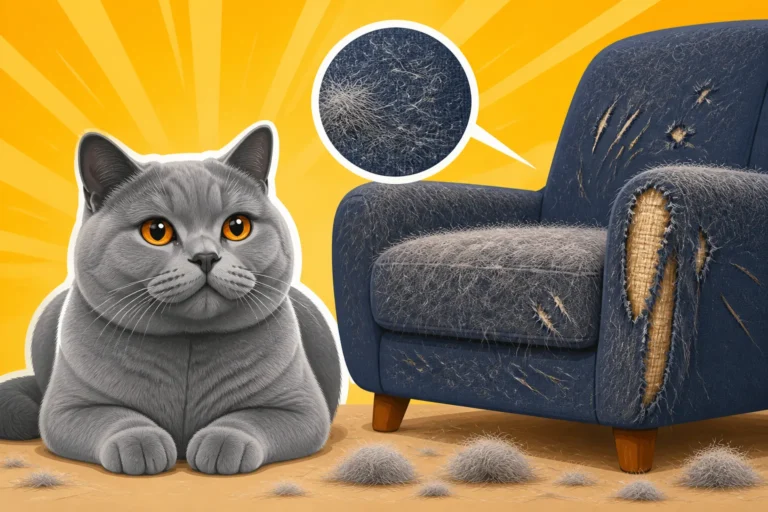
A British Shorthair's coat is truly a thing of beauty, often described as "crisp" and "plush." This isn't just fluffy soft; it's short, incredibly dense, and stands away from the body, almost like a carpet pile. This density is a double-edged sword. On one hand, it gives them that iconic teddy bear look and provides excellent insulation. On the other, it means loose hair can get trapped deep within the coat, leading to matting if not properly managed, and a constant battle with shedding, particularly during seasonal changes. You might notice that even when you think you've brushed them thoroughly, more fur seems to appear out of nowhere. This dense undercoat is the primary culprit, constantly replenishing itself. For a deeper dive into this unique texture, check out our post on Why a British Shorthair's Coat Feels Crisp. Understanding How Dense a British Shorthair's Coat Is really puts into perspective why some grooming tools just don't cut it.
Why Traditional Brushes Can Fall Short
Many standard cat brushes, especially the softer bristle types or even some slicker brushes, simply don't have the oomph to penetrate the British Shorthair's thick, double coat effectively. A soft brush might glide over the top layer, collecting some surface fur and feeling nice for your cat, but it leaves the bulk of the loose undercoat untouched. Slicker brushes, while more robust, can sometimes be too harsh for a British Shorthair's sensitive skin, or their fine wires can snag and break the delicate guard hairs, damaging the coat's structure over time. During peak shedding seasons, like the famous "two weeks" where they drop their undercoat, these brushes often feel like you're barely making a dent. The Two Weeks a British Shorthair Drops Its Undercoat can be a particularly challenging time for grooming. Many owners find themselves frustrated, wondering if any brush can truly manage the sheer volume of hair these cats can produce. This is why many owners seek alternatives, hoping for something gentler yet effective. You'll find that for most British Shorthairs, a good metal comb is often recommended over many brush types. If you're curious about what really works, we explore Which Comb a British Shorthair Needs and Why a Comb Beats a Brush on a British Shorthair in other articles.
Diving into Grooming Gloves: What They Are and How They Work
Grooming gloves have gained immense popularity as a seemingly gentler, more natural way to groom our feline friends. But what exactly are they, and how do they interact with a British Shorthair's distinct coat?
The Mechanics of a Grooming Glove
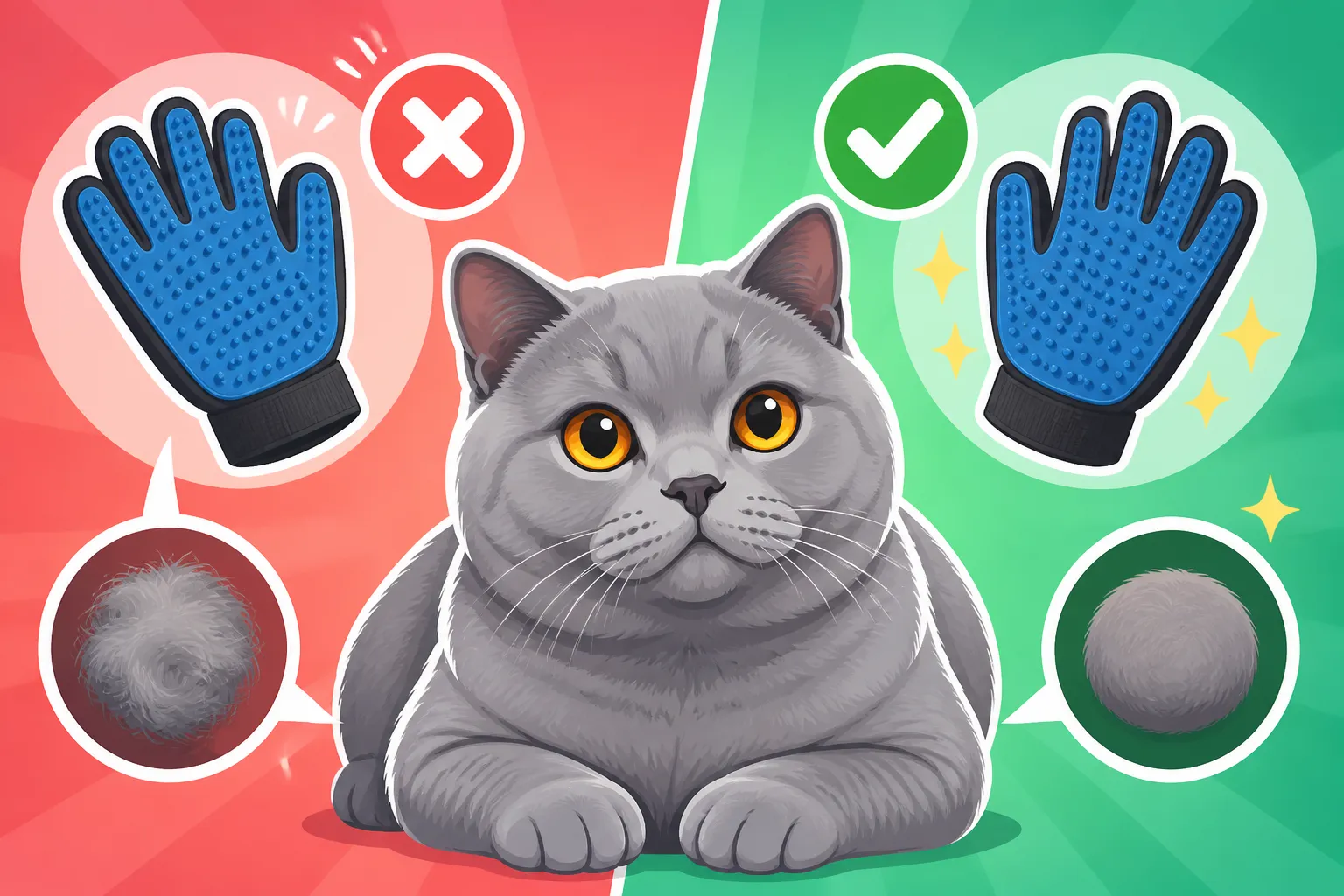
A grooming glove typically looks like a regular glove, but the palm and fingers are covered in soft, flexible rubber or silicone nubs. The idea behind them is brilliantly simple: you put on the glove and simply "pet" your cat. As you stroke them, the nubs gently massage their skin and, in theory, collect loose hair. The friction created by these nubs is meant to dislodge dead fur from both the topcoat and the undercoat, holding it on the glove's surface for easy removal. Many gloves are designed to be used wet or dry, offering versatility. When wet, the nubs can help distribute shampoo during a bath, or simply gather even more loose fur. It feels less like a grooming session and more like a loving petting session, which is a huge bonus for cats who might be wary of traditional brushes. The tactile sensation can be quite pleasant for many cats, mimicking the feeling of being groomed by their mother or another cat.
The Pros and Cons of Using a Grooming Glove for British Shorthairs
While the concept is appealing, the reality for a British Shorthair can be a mixed bag. It's important to weigh the specific benefits against their limitations for this particular breed.
| Feature | Pros for British Shorthairs | Cons for British Shorthairs |
|---|---|---|
| Gentleness | Excellent for sensitive cats; mimics natural petting. | May not penetrate dense undercoat effectively. |
| Bonding | Turns grooming into an affectionate activity, strengthening bond. | Can give a false sense of thorough grooming if used as the sole tool. |
| Surface Fur | Efficiently removes loose hair from the top layer. | Limited ability to remove deeply trapped undercoat or prevent mats. |
| Massage/Skin | Stimulates circulation; helps distribute natural oils. | Hair collection can be less efficient than a comb during heavy shedding. |
| Acceptance | High acceptance rate from cats who dislike brushes. | Might not be effective enough to tackle serious shedding or matting issues. |
Pros: Gentleness, Bonding, and Surface-Level Effectiveness
The biggest advantage of a grooming glove is its gentleness. For British Shorthairs who are particularly sensitive or dislike the feel of a rigid brush, a glove can be a game-changer. It transforms grooming into a comforting interaction, almost like an extended petting session, which can significantly reduce stress for both you and your cat. This also makes it an excellent tool for boosting the bond you share. Many British Shorthairs, being naturally calm and amiable, will readily accept being "groomed" with a glove. It's fantastic for removing surface-level loose hairs and dust, leaving the topcoat looking smoother and shinier. The nubs also provide a lovely massage, stimulating blood circulation and helping to distribute natural skin oils throughout the coat, which contributes to a healthy sheen. You might find your cat actually leans into the sensation, purring contentedly.
Cons: Undercoat Limitations and Mat Prevention
However, the dense, double coat of a British Shorthair presents a challenge for grooming gloves. While they excel at picking up loose hairs from the top layer, their ability to truly penetrate and strip out the incredibly thick undercoat is often limited. During heavy shedding periods, you might find yourself stroking endlessly, only to collect a relatively small amount of fur compared to what's still lurking beneath. This means they are often not sufficient as the sole grooming tool for a British Shorthair. Because they might not effectively remove all the dead undercoat, they can fall short in preventing mats, especially in areas prone to tangles like behind the ears, armpits, or around the hind legs. If you're concerned about mats, which can be quite painful for your cat, a glove simply won't be enough. Our article How Often a British Shorthair Mats at All offers more insight into this issue. While a grooming glove can be a wonderful supplementary tool, it rarely replaces the need for a more specialized comb, particularly for managing that deep, plush undercoat.
When a Grooming Glove Does Make a Difference for Your British Shorthair
Despite their limitations for deep undercoat removal, grooming gloves absolutely have a place in the British Shorthair grooming routine. They shine in specific scenarios where their gentle nature and unique interaction are most beneficial.
Light Shedding and Everyday Maintenance
For those times when your British Shorthair isn't in full "coat blow" mode, but you still want to keep loose fur at bay, a grooming glove is fantastic. It's perfect for a quick daily run-over, picking up those stray hairs that would otherwise end up on your furniture or clothes. Think of it as a gentle daily polish rather than a heavy-duty cleaning. This kind of light, consistent grooming is especially valuable for an indoor British Shorthair, as their shedding can sometimes seem to happen year-round, uninfluenced by seasonal outdoor cues. You might find a morning or evening "petting session" with the glove becomes a cherished ritual. This regular, low-effort maintenance can prevent smaller accumulations of fur from becoming bigger problems, making the heavier grooming sessions (with other tools) less daunting. It helps maintain the coat's overall tidiness and reduces the amount of fur ingested during self-grooming, potentially lessening hairballs. For more on year-round shedding, check out Whether an Indoor British Shorthair Sheds Year Round.
Introducing Grooming to a Reluctant British Shorthair
One of the most valuable applications of a grooming glove is introducing a British Shorthair, especially a kitten or a rescue cat, to the concept of grooming in a positive way. Cats who are wary of brushes, perhaps due to past negative experiences or simply the unfamiliar sensation, often respond much better to the gentle touch of a glove. It feels like petting, not a confrontation. Start with very short sessions, just a few strokes, and always follow up with a treat or playtime. Over time, your cat will associate the glove with pleasant sensations and positive reinforcement. This can build a crucial foundation of trust that makes future grooming, even with more assertive tools, much easier. It's about slowly desensitizing them and teaching them that grooming isn't something to fear. Many British Shorthairs have a calm demeanor, but some can still be particular about being handled, making this gentle approach essential. Our article How a British Shorthair Takes to Brushing offers more strategies for this.
Boosting Bonding and Circulation
Beyond just removing hair, grooming gloves offer significant benefits for your cat's well-being and your relationship. The act of "petting" with the glove is inherently bonding. It's a shared, calm activity that reinforces your connection. Your British Shorthair learns to associate your touch, and the grooming process, with comfort and affection. Furthermore, the nubs on the glove aren't just for hair removal; they provide a gentle massage that stimulates the skin. This can improve blood circulation, which in turn contributes to a healthier coat and skin. A well-circulated skin is better at distributing natural oils, leading to a shinier, softer coat and potentially reducing dry skin or flakes. It's a holistic approach to care that goes beyond merely cleaning the fur, fostering both physical health and emotional connection.
Complementing Grooming Gloves: Other Tools for a British Shorthair's Coat
While grooming gloves are beneficial, they are rarely the only tool a British Shorthair owner needs. Their dense coats require a multi-faceted approach, often integrating other, more specialized instruments for comprehensive care.
The Essential Role of a Good Comb
For a British Shorthair, a sturdy, wide-toothed metal comb is truly indispensable. Unlike a glove, a good comb can effectively penetrate the thick topcoat and reach deep into the dense undercoat, dislodging dead hair that would otherwise lead to tangles and mats. Look for combs with both fine and wider-spaced teeth, allowing you to tackle different areas and densities of fur. Start with the wider teeth to gently work through the bulk of the coat, then switch to finer teeth for more detailed work or to check for any missed spots. When combing, remember to be gentle and always comb in the direction of hair growth. If you encounter a snag, don't pull; gently work it out with your fingers or the wider teeth of the comb. Regular combing, especially during shedding seasons, is crucial for preventing painful mats and reducing the amount of fur your cat ingests, which helps prevent hairballs. Tools like the Andis Pet Steel Comb or various de-shedding combs available on Chewy or Amazon are highly recommended for their effectiveness. For more detailed advice, read about Which Comb Reaches a British Shorthair's Undercoat.
Addressing Heavy Shedding and Mats
During periods of heavy shedding or if your British Shorthair develops a mat, a grooming glove simply won't be enough. This is where more specialized tools come into play. A quality undercoat rake, designed to gently pull out loose undercoat without cutting the guard hairs, can be invaluable. These tools often have specific blade designs or rake-like teeth that are spaced to get deep into the coat. Exercise caution and follow instructions carefully when using such tools, as improper use can irritate the skin. For serious mats, never try to cut them out with scissors yourself, as it's incredibly easy to accidentally cut your cat's skin. Instead, it's best to seek professional help from a reputable cat groomer or your veterinarian. They have the expertise and specialized tools to safely remove mats without causing pain or injury. While deshedding tools can be effective, it's important to choose one carefully and understand its specific use; Whether a Deshedding Tool Suits a British Shorthair is a great resource to help you decide.
Products that Enhance Coat Health
Beyond physical tools, a healthy coat also starts from within. A high-quality diet rich in essential fatty acids (like Omega-3s and Omega-6s) can significantly improve coat health, making it softer, shinier, and less prone to excessive shedding. Many premium cat foods, available on platforms like Chewy, are formulated with these benefits in mind. If your cat's diet isn't providing enough, your vet might recommend supplements, such as fish oil, to boost skin and coat health. Regular hydration is also critical; ensure your British Shorthair always has access to fresh water, perhaps even considering a cat water fountain to encourage more drinking. Lastly, while British Shorthairs are typically excellent self-groomers, the occasional bath with a gentle, cat-specific shampoo can help remove excess oils and loose fur, particularly during intense shedding periods. Always ensure the shampoo is designed for cats and rinsed thoroughly to prevent skin irritation. A healthy inside reflects on the outside, making grooming efforts much more effective.
Conclusion
So, does a grooming glove do anything for a British Shorthair? Absolutely, but it's crucial to understand its role. A grooming glove is a fantastic tool for light, daily maintenance, for bonding with your cat, and especially for introducing grooming to a reluctant or sensitive British Shorthair. It excels at picking up surface-level loose fur and providing a comforting massage. However, it's generally not sufficient as the only grooming tool for a British Shorthair's incredibly dense undercoat, particularly during heavy shedding periods or for preventing and addressing mats.
To provide the best care for your British Shorthair's magnificent coat, think of the grooming glove as a valuable player on your team, but not the star player. Combine it with a high-quality metal comb for deep undercoat removal and consider an undercoat rake for shedding seasons. Always ensure their diet supports a healthy coat, and don't hesitate to consult a professional groomer or your vet for persistent matting issues or advice on suitable grooming routines. By using a variety of tools thoughtfully, you can keep your British Shorthair looking their best and feeling comfortable, making grooming a positive experience for everyone involved.
Disclaimer
This article is for general informational purposes only and does not constitute professional advice. Laws, prices and regulations vary by location and change over time. Consult a qualified professional for guidance on your specific situation.