Whether Dental Treats Help a British Shorthair
Dental treats and their effectiveness against plaque and tartar buildup in British Shorthairs are explained clearly.
The daily stuff, done right.
Feeding amounts by life stage, coat and skin routines, dental and nail care, exercise needs, and what changes as they age.

Dental treats and their effectiveness against plaque and tartar buildup in British Shorthairs are explained clearly.
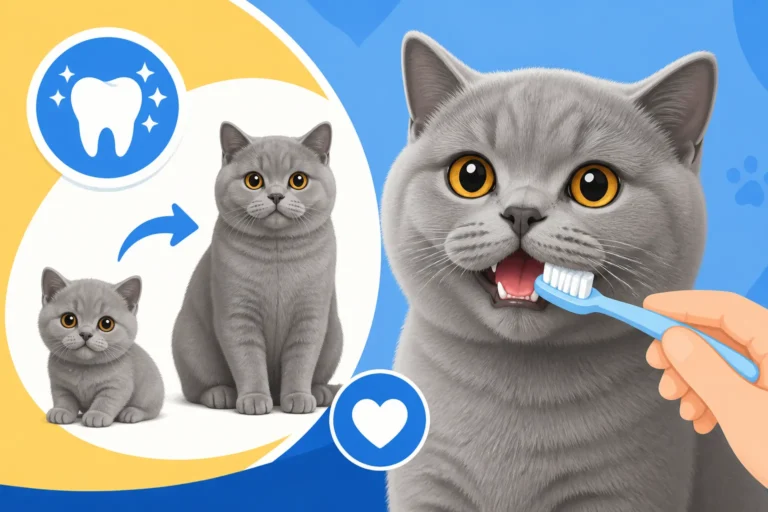
British Shorthair dental care protects against periodontal disease. Learn when and how to start brushing cat teeth early.
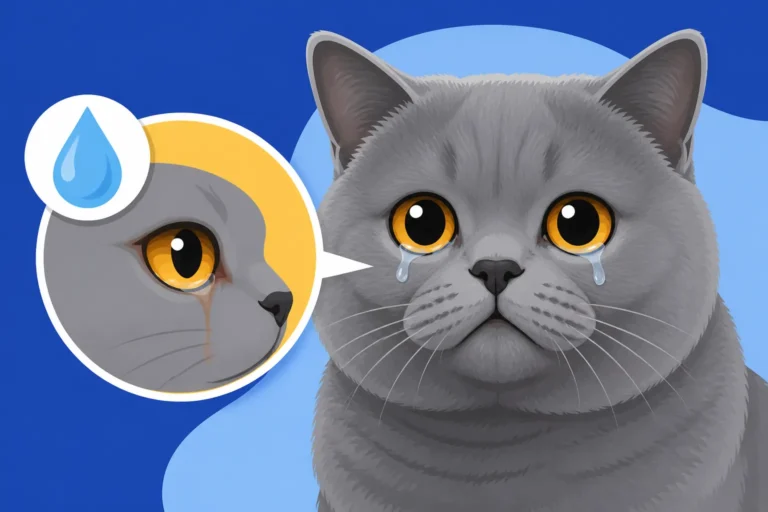
British Shorthair watery eyes happen because flat faces and narrow tear ducts block normal drainage, causing epiphora and reddish-brown stains.
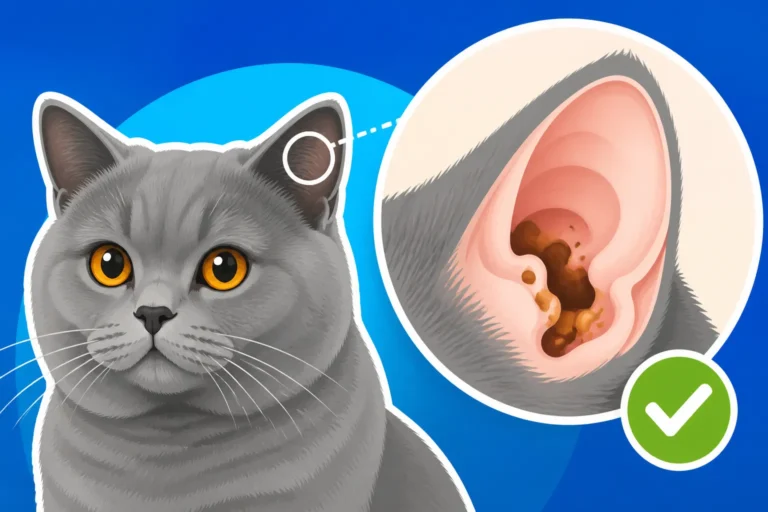
British Shorthair ear wax normally appears light brown, tan, or yellowish-beige with a soft and moist consistency.
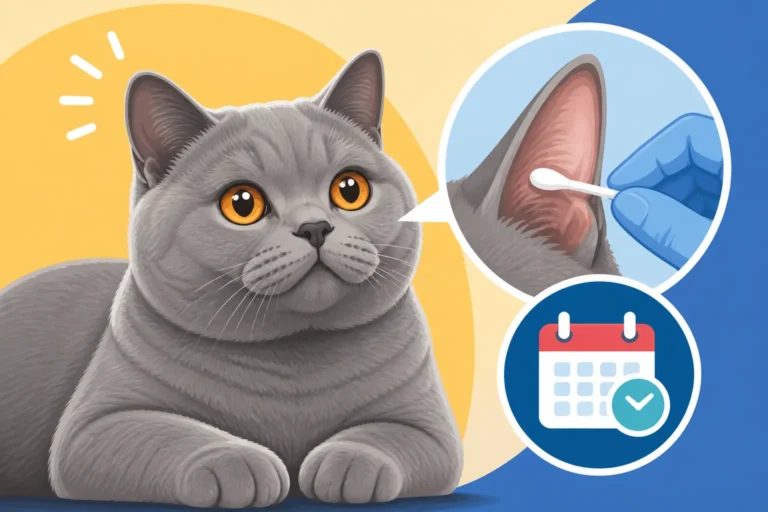
British Shorthair ear cleaning frequency and the signs of healthy or problem ears needing veterinary attention.
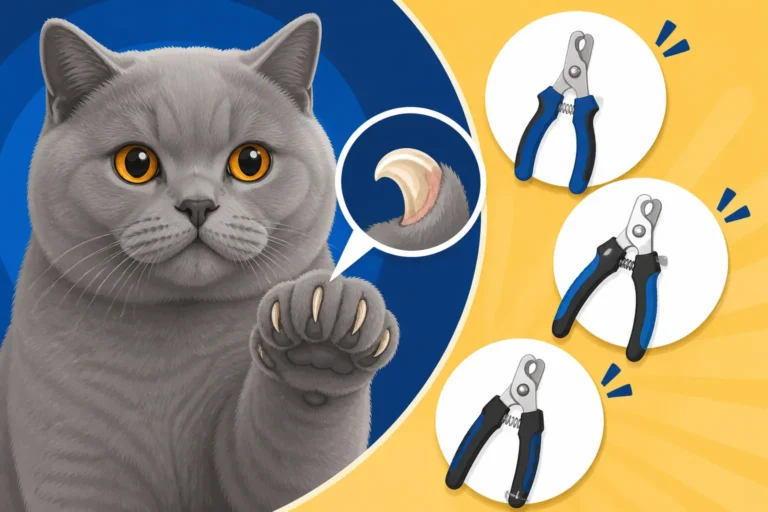
British Shorthair thick claws require sharp, strong clippers to prevent painful splitting and joint stress every two to four weeks.

British Shorthair nail trims can be challenging despite their calm nature, requiring early socialization and gentle paw handling.
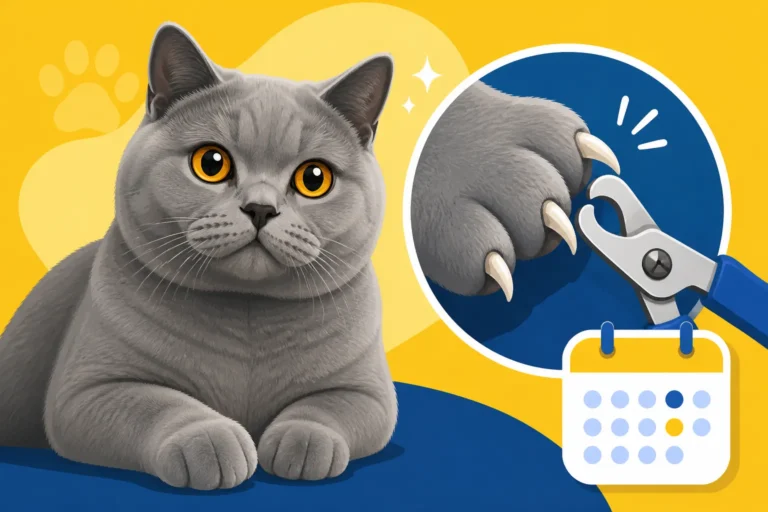
British Shorthair claw trimming every two to four weeks prevents painful ingrown nails caused by a low activity indoor life.

Female British Shorthair facial development includes a round face and full cheeks, while prominent jowls remain male traits.
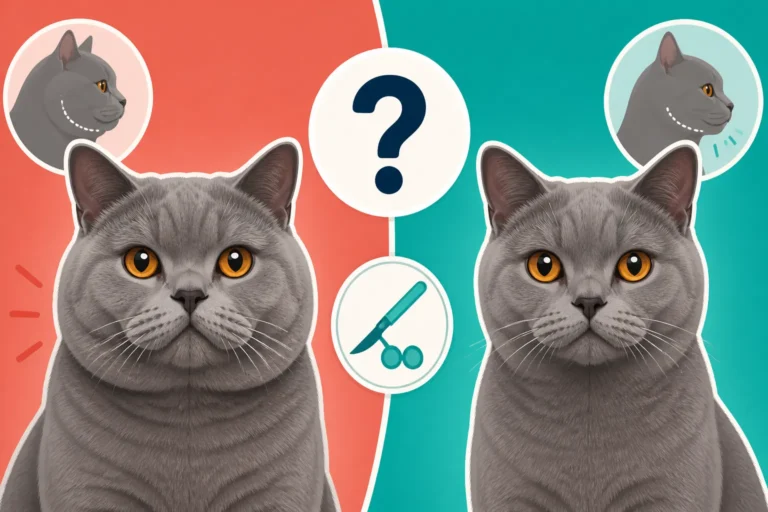
Neutering male British Shorthairs impacts their facial jowls by altering the testosterone levels that drive muscle and fat growth.