Which Health Results a British Shorthair Breeder Must Show
Bringing a British Shorthair kitten into your home is an exciting prospect, full of dreams of cuddles and purrs, but the joy can quickly turn to heartbreak and financial strain if you unknowingly adopt a kitten prone to serious health issues. Many prospective owners feel overwhelmed by the technical jargon and don't know what health documentation to even ask for, making it easy for less scrupulous breeders to hide crucial information. This guide will walk you through exactly which essential health results a British Shorthair breeder must show you, and why these tests are absolutely non-negotiable for the long-term well-being of your future feline family member.
The Non-Negotiable Imperative of Health Screening for British Shorthairs
It's natural to be drawn to the British Shorthair's adorable round face and plush coat, but beneath that charming exterior, there are breed-specific health concerns that responsible breeders actively work to minimize. Ignoring these potential issues isn't just a gamble; it's a direct path to heartache and significant veterinary bills down the line. A truly ethical breeder understands their responsibility extends far beyond simply producing cute kittens; they are stewards of the breed's health and future.
Why Certain Genetic Conditions Plague Specific Breeds
Just like with purebred dogs, specific cat breeds, including the British Shorthair, are predisposed to certain genetic conditions. This isn't because they are inherently "unhealthy" but rather a consequence of a limited gene pool and the focus on specific physical traits. Over generations, certain genetic markers for diseases can become more concentrated within a breed. For the British Shorthair, Hypertrophic Cardiomyopathy (HCM) and Polycystic Kidney Disease (PKD) are two such concerns that demand diligent screening. Without proper testing, these conditions can silently spread through breeding lines, impacting countless kittens and their unsuspecting families. It's a sobering thought that a beautiful, seemingly healthy kitten could be carrying a ticking time bomb.
The Ethical Breeder's Commitment to Health
An ethical British Shorthair breeder isn't just selling you a kitten; they're offering you a potential 12-17 years of companionship. Their commitment to this long lifespan should be evident in their transparent health practices. This means they are actively participating in breed health initiatives, educating themselves on genetic predispositions, and, most importantly, rigorously testing their breeding cats. They understand that every penny spent on screening is an investment in the health of their entire cattery and, by extension, the well-being of every kitten they place. When you speak to a reputable British Shorthair breeder, their passion for healthy cats will be palpable, and they won't shy away from discussing test results or explaining the intricacies of their health program. This commitment is what separates a genuine breed guardian from someone simply looking to make a quick profit.
Unpacking the Core Health Tests British Shorthair Breeders Must Provide
When you're looking for a British Shorthair, you absolutely must ensure the breeder provides documentation for specific health screenings. These aren't optional extras; they're foundational to ensuring you're bringing home a kitten with the best possible start. Without these core tests, you're essentially buying a pig in a poke, no matter how charming the little face.
Hypertrophic Cardiomyopathy HCM Echo Results
Hypertrophic Cardiomyopathy, or HCM, is a devastating heart disease common in many large-boned cat breeds, including the British Shorthair. It causes the heart muscle to thicken, making it harder for the heart to pump blood effectively, and can lead to heart failure, blood clots, and sudden death. There is currently no DNA test for HCM in British Shorthairs, unlike some other breeds. This means that regular echocardiograms (heart ultrasounds) performed by a board-certified veterinary cardiologist are the gold standard for screening breeding cats.
A responsible British Shorthair breeder will show you current, clear HCM echo results for both parents of your kitten. These results should be from within the last 12-18 months, as HCM can develop later in life. A yearly echo that replaces a British Shorthair gene test is absolutely critical, and asking "How often a British Shorthair needs an echo?" is a smart question for any breeder. Don't accept vague assurances or "vet checks" – you need to see official reports signed by a cardiologist. These reports will typically include measurements of the heart walls and chambers, confirming that the cat's heart structure is normal. If a breeder is only showing you results from when the cat was a young adult, and not recent ones, that's a red flag. Remember, HCM can manifest at any age, even if the cat had a clear echo previously.
Polycystic Kidney Disease PKD DNA Test Results
Polycystic Kidney Disease (PKD) is another hereditary condition that can affect British Shorthairs. This disease causes cysts to form in the kidneys, which can grow over time, eventually leading to kidney failure. Thankfully, unlike HCM, there is a reliable DNA test for PKD (specifically PKD1) that can definitively tell you if a cat carries the gene. This means a British Shorthair breeder has no excuse not to test for it.
Every breeding cat should be DNA tested for PKD, and an ethical British Shorthair breeder will readily provide copies of these results for both parents. The results will typically state whether the cat is "N/N" (clear, no copies of the gene), "N/PKD" (carrier, one copy of the gene), or "PKD/PKD" (affected, two copies of the gene). Reputable breeders will only breed N/N cats or, if they have a valuable cat that is a carrier, they will only breed it to an N/N cat to ensure no kittens are affected. You need to verify that both parents are clear or that appropriate pairings have been made. Knowing whether a British Shorthair should be PKD tested is paramount, and the answer is a resounding yes! This simple DNA test can spare a kitten a lifetime of progressive kidney disease, and save you from the emotional and financial burden of managing a cat with failing kidneys.
British Shorthair Blood Type Certification
While not a disease in itself, knowing the blood types of breeding British Shorthairs is crucial for preventing a potentially fatal condition in kittens called Neonatal Isoerythrolysis (NI). This occurs when a Type B queen (mother) is bred to a Type A or AB tom (father), and the kittens inherit Type A or AB blood. The Type B queen's colostrum (first milk) contains antibodies against Type A blood, which the Type A/AB kittens absorb, leading to severe anemia, organ damage, and often death within the first few days of life.
An responsible British Shorthair breeder will provide documentation of both parents' blood types. This is usually done via a simple blood test or a DNA test. You'll want to ensure that if the queen is Type B, she has only been bred to a Type B tom. This ensures that all kittens will inherit Type B blood and avoid NI. Understanding "What Blood Type B means in a British Shorthair" is vital information for any potential owner, as it highlights a critical aspect of responsible breeding practices. Don't underestimate the importance of this; it's a simple test that can prevent an entire litter from succumbing to a preventable tragedy.
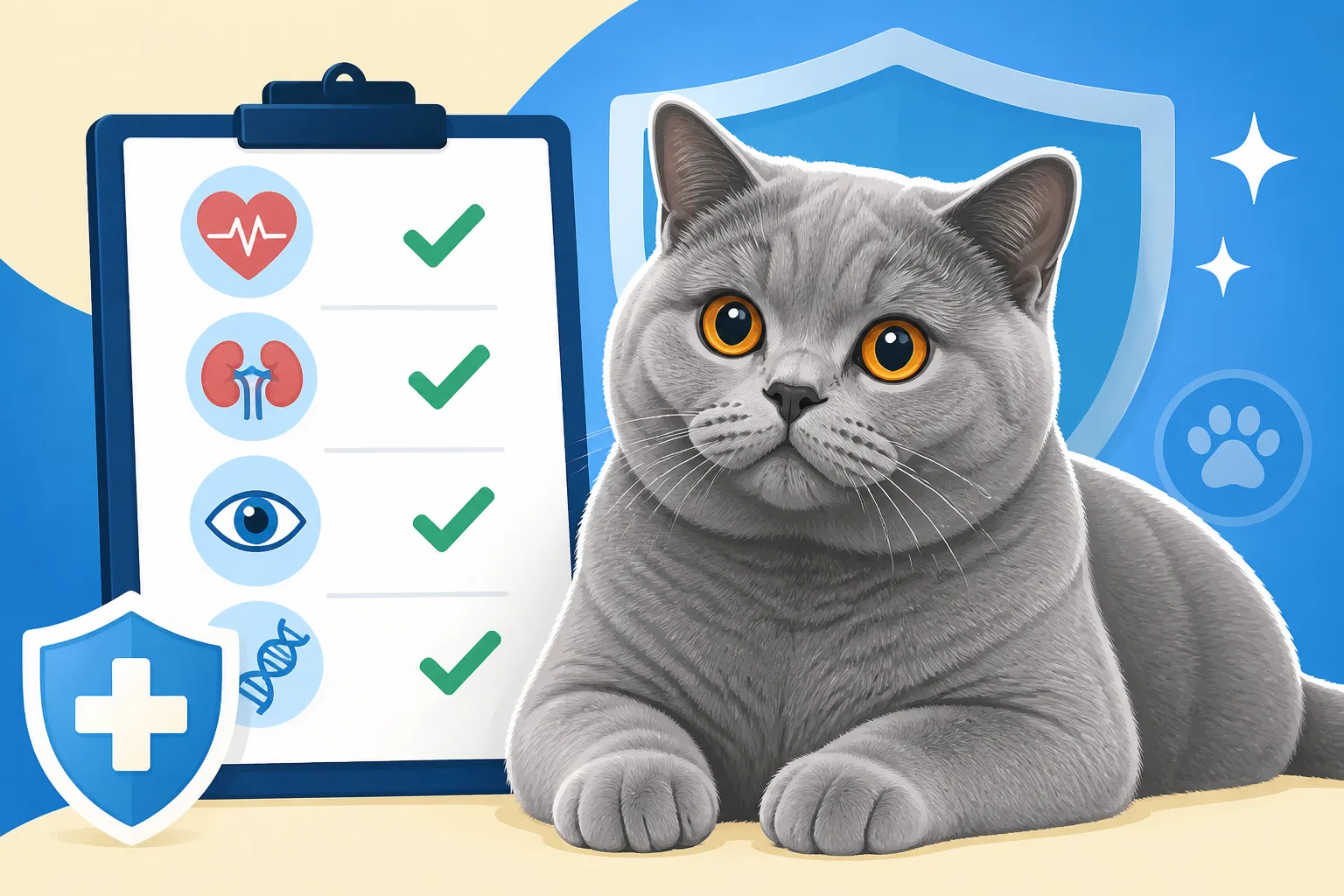
Here's a quick summary of the key health tests:
| Health Condition | Test Required | What It Confirms | Why It Matters | Breeder's Responsibility |
|---|---|---|---|---|
| Hypertrophic Cardiomyopathy (HCM) | Annual Echocardiogram by Cardiologist | Absence of heart muscle thickening | Prevents severe heart disease, heart failure, blood clots, sudden death | Show annual, clear echo results for both parents |
| Polycystic Kidney Disease (PKD) | DNA Test (PKD1) | Absence of PKD gene (N/N), carrier status (N/PKD) | Prevents progressive kidney failure due to cysts | Show N/N DNA test results for both parents (or N/N x N/PKD with appropriate caution) |
| Neonatal Isoerythrolysis (NI) | Blood Type Test (A, B, or AB) | Blood type of breeding cats | Prevents fatal hemolytic anemia in Type A/AB kittens born to Type B mothers | Show blood type certification for both parents, ensure compatible pairings |
Understanding What "Showing Results" Really Means
When a British Shorthair breeder tells you their cats are "health tested," it's easy to take their word for it. But words are cheap, and a responsible breeder knows that proof is paramount. You need to understand what constitutes genuine, verifiable health results, and how to spot flimsy excuses or outright deception.
Interpreting Health Certificates and Pedigrees
Genuine health certificates will come from accredited veterinary specialists or laboratories. For HCM, you should see reports signed by a board-certified veterinary cardiologist, not just a general vet. These reports will typically include the cat's name, microchip number, date of scan, and findings, with a clear statement of "Normal" or "No evidence of HCM." For PKD, DNA test results will come from a specialized genetic testing lab, clearly stating the cat's name, microchip number, and genetic status (e.g., N/N for clear). Don't settle for photos of certificates where key information is obscured or vague.
Furthermore, an extended pedigree can also be informative. While not a health test in itself, a pedigree from a recognized cat registry (like CFA or TICA) indicates a commitment to lineage and often accompanies health-tested lines. A breeder who proudly displays these documents is being transparent. Be cautious if a breeder only offers to show you a piece of paper or tells you to just trust them. This isn't about distrusting a person; it's about verifying critical information for your kitten's future. For instance, knowing "What a British Shorthair breeder should have tested" means you're equipped to ask for the right documentation.
The Difference Between Screening and Genetic Testing
It's crucial to distinguish between screening and genetic testing. Genetic testing (like the PKD1 DNA test) identifies if a cat carries a specific gene mutation. It's a one-time test that provides a definitive "yes" or "no" answer about genetic predisposition. Screening, on the other hand, involves regular examinations to detect conditions that may develop over time, like the annual HCM echocardiogram. A British Shorthair needs both.
Some breeders might try to mislead you by saying their cats are "vet checked" or "vet approved." While general veterinary check-ups are important, they are not a substitute for specialized genetic testing or cardiologist-performed echocardiograms. A regular vet check might catch a heart murmur, for example, but it cannot definitively diagnose or rule out HCM to the same standard as a cardiologist's echo. You need specific, specialized tests, not just a general health certificate. A responsible breeder will be clear about which tests they've done and why. The cost of a British Shorthair's yearly echo can be significant, which is why some breeders try to cut corners, but it’s a necessary expense for a truly healthy program.
Beyond the Basics: Other Important Considerations and Tests
While HCM, PKD, and blood typing are the absolute core, an exceptional British Shorthair breeder will go even further in their commitment to health and transparency. These additional considerations reflect a deeper understanding of breed welfare and provide an even greater layer of assurance for you as a prospective owner.
Examining the Parents' Health and Longevity
Beyond the specific test results, inquire about the overall health history and longevity of the breeding cats and their relatives. Are the parents still active, healthy adults? How old are their grandparents? Have any relatives in their lines suffered from other common British Shorthair ailments like severe dental issues, urinary problems, or early-onset arthritis? While you can't guarantee a kitten will never have any health issue, a history of long-lived, healthy cats in the lineage is a strong indicator of robust genetics.
A British Shorthair breeder who keeps detailed records and is open about these aspects demonstrates a long-term commitment to their lines. They should be able to discuss the general health of their cats as they age, perhaps even mentioning how they care for a British Shorthair past ten. This broader perspective helps you understand the overall genetic health pool your kitten is coming from, not just a snapshot of specific disease tests.
Signs of a Reputable Breeder Who Prioritizes Health
A reputable British Shorthair breeder will display several key traits that signal their commitment to health and ethical practices. They will:
- Ask you as many questions as you ask them: They want to ensure their kittens go to good homes and will vet you thoroughly.
- Be eager to share all health documentation: They won't make you feel like you're prying. They'll likely offer the results before you even ask.
- Have clean, well-maintained facilities: The breeding cats and kittens should look healthy, well-socialized, and live in a clean environment.
- Provide a comprehensive contract: This contract should outline health guarantees, return policies, and neutering/spaying agreements. This is often where "What a British Shorthair contract says about screening" will be detailed.
- Be a member of breed clubs and associations: This indicates a commitment to breed standards and ethical practices.
- Offer ongoing support: They should be a resource for you throughout your cat's life.
- Not rush you: They'll encourage you to take your time, visit (if possible), and meet the parents.
- Be transparent about costs: While a British Shorthair kitten costs from a breeder can be significant, they should be upfront about what is included.
Furthermore, a breeder who proactively talks about preventive care, good nutrition, and mental enrichment is signaling a holistic approach to health. They might mention recommending specific foods, like those available from Chewy, or discussing the importance of regular exercise for a breed prone to obesity.
Navigating Breeder Hesitation and Red Flags
It’s an unfortunate reality that not all British Shorthair breeders operate with the highest ethical standards. Sometimes, the desire for a kitten can make us overlook subtle warnings. Learning to recognize these red flags and understanding how to respond is crucial for protecting yourself and ensuring the welfare of your future companion.
When a Breeder Avoids Discussing Health Results
If a British Shorthair breeder seems evasive, defensive, or simply unwilling to share detailed health documentation, consider it a giant red flag. Common excuses might include:
- "My vet said they're healthy." (Not specific enough; a general vet check isn't specialized screening.)
- "Their parents were clear, so the kittens will be too." (While good, you still need to see the current test results for the actual breeding cats, especially for HCM.)
- "I've never had a problem in my lines." (This doesn't mean a problem doesn't exist or won't appear, especially without proper testing.)
- "The paperwork is private/confidential." (A reputable breeder will happily share redacted copies to protect privacy while proving tests.)
- "The tests are too expensive." (This suggests they are cutting corners at the expense of the cats' health.)
A reputable breeder understands that you are making a significant, long-term commitment and wants you to feel confident in your choice. They will educate you, not obfuscate. If you encounter resistance, it’s often a sign to walk away, no matter how cute the kittens are. Remember, a British Shorthair's health is a lifelong responsibility, and starting with a breeder who hides information is setting yourself up for potential disappointment.
The Dangers of Unscreened Kittens and Backyard Breeders
Choosing a kitten from an unscreened British Shorthair breeder or a so-called "backyard breeder" can have severe consequences. These individuals often prioritize profit over the welfare of their animals, skipping vital health tests to save money. This means you could unknowingly bring home a kitten that is genetically predisposed to:
- Early onset HCM: Leading to sudden death or a short, difficult life requiring expensive medication. "How a British Shorthair with HCM is treated" can be complex and costly.
- Progressive PKD: Resulting in chronic kidney disease and eventually kidney failure, requiring specialized diets, fluids, and medications.
- Neonatal Isoerythrolysis: If you decide to breed, this could wipe out an entire litter.
- Other unknown genetic issues: Without a commitment to health, other problems could be lurking.
The financial burden alone can be staggering. Treating these conditions can run into thousands of dollars over a cat's lifetime, not to mention the emotional toll of watching your beloved pet suffer. Furthermore, unscreened kittens often come from poor conditions, lacking proper socialization and initial veterinary care, which can lead to behavioral issues and infectious diseases. It's truly a false economy to save a bit upfront on the purchase price if it means facing huge vet bills later. This is where pet insurance, like policies from Healthy Paws, can be invaluable for unexpected medical issues, but even insurance has limitations if a pre-existing genetic condition is discovered.
Investing in Health: The Long-Term Value for You and Your British Shorthair
The initial purchase price of a British Shorthair kitten from a reputable, health-testing breeder might seem high, but it's an investment in a lifetime of companionship and a significantly reduced risk of heartbreaking and expensive health crises. Think of it not as an expense, but as a down payment on peace of mind.
Financial and Emotional Costs of Unforeseen Illnesses
Consider the alternative: adopting a kitten from a breeder who didn't perform the necessary health screenings. You might save a few hundred dollars initially, but that saving could quickly be dwarfed by veterinary bills if your cat develops HCM or PKD. The cost of a single cardiac echo or a course of medication for heart failure can easily exceed the difference in price for a well-bred kitten. For a British Shorthair with HCM, managing the condition involves regular vet visits, expensive medications, and potentially emergency care if a clot forms. This can accumulate over the "How long a British Shorthair lives after an HCM diagnosis" period.
Beyond the financial strain, there's the emotional cost. Watching your beloved British Shorthair suffer from a preventable genetic disease is devastating. The stress, worry, and sadness can cast a shadow over your relationship with your pet. Knowing you did everything you could to choose a healthy kitten, by verifying the breeder's health results, can alleviate much of that emotional burden. It allows you to focus on the joy of companionship rather than the constant worry of an underlying illness. The lifetime cost of owning a British Shorthair is significant, and unforeseen medical issues can inflate it dramatically.
Peace of Mind and a Healthier, Happier Companion
Ultimately, demanding to see comprehensive health results from a British Shorthair breeder is about securing peace of mind. It’s about knowing that you've done your due diligence to give your future furry friend the best possible start in life. A kitten from health-tested parents has a much higher chance of living a full, vibrant life free from the most common, devastating genetic conditions. This translates into more purrs, more playtime, and fewer stressful vet visits for you.
When you've chosen a kitten from a breeder who has invested in the health of their lines, you can relax and truly enjoy your British Shorthair's wonderful temperament and companionship. You can look forward to years of their quiet, affectionate presence without the constant worry of inherited diseases. This proactive approach supports the entire breed by encouraging responsible breeding practices and helps ensure that the British Shorthair remains a truly healthy breed for generations to come. Having access to high-quality, nutritious food also contributes to a cat's overall health and well-being throughout its life. It's an investment that pays dividends in happiness and health for everyone involved.
Disclaimer
This article is for general informational purposes only and does not constitute professional advice. Laws, prices and regulations vary by location and change over time. Consult a qualified professional for guidance on your specific situation.