Why a British Shorthair Hides Heart Failure
It’s a heartbreaking reality for many cat owners: our beloved British Shorthairs are masters of disguise when it comes to illness. Unlike a dog that might whine or visibly limp, a stoic British Shorthair often suffers in silence, especially when it comes to something as serious as heart failure. This guide aims to pull back the curtain on why these wonderful cats hide their discomfort and, more importantly, what subtle signs you can watch for to help them before it's too late.
The Stoic Nature of Cats, Especially British Shorthairs
Anyone who has shared their home with a cat knows they march to the beat of their own drum. They're independent, often aloof, and masters of subtle communication. This inherent stoicism becomes a significant challenge when they’re unwell, particularly for breeds like the British Shorthair, whose calm and placid demeanor can easily mask underlying health issues, including serious conditions like heart failure. It’s not that they want to deceive us; it's simply how they're wired.
Ancestral Instincts and Survival
To truly understand why your British Shorthair might hide discomfort, we need to look back at their wild ancestors. In nature, showing weakness is a death sentence. A sick or injured animal is a prime target for predators, and even other members of their own species might perceive them as a threat to resources. Cats evolved with a deep-seated instinct to conceal pain, injury, and illness as a survival mechanism. This innate drive is so powerful that it overrides their desire for comfort, even in the safety of your loving home. They're hardwired to act "fine" until they absolutely cannot any longer.
This means that by the time a cat is overtly displaying symptoms of severe illness, the condition has often progressed significantly. It's a cruel trick of nature, leaving us as devoted owners constantly on high alert, trying to decipher cryptic clues. We want to help them, but they’re instinctually fighting against us by keeping their struggles secret.
A Breed Apart: The British Shorthair's Calm Demeanor
The British Shorthair, with its famously laid-back and easygoing temperament, takes this feline stoicism to another level. They are renowned for their calm, quiet nature, often described as gentle giants or "teddy bear" cats. This wonderful trait, which makes them such delightful companions, can inadvertently work against early detection of health problems. A British Shorthair who is feeling a bit under the weather might simply become a little more quiet or a touch less active, changes that are easy to dismiss as just part of their normal, chill personality.
It's not uncommon for a British Shorthair to spend much of its day napping or lounging, even when perfectly healthy. So, when they start to feel ill, a slight increase in sleep or a reduced interest in play can be incredibly difficult to differentiate from their typical behavior. This is especially true if you’re a busy owner, or if your cat isn't one to constantly seek attention or engage in energetic play. Their already low-key nature means the dial often has to be turned quite far down before we notice a significant shift.
Understanding British Shorthair Heart Disease
One of the most concerning conditions a British Shorthair might hide is heart failure, often stemming from Hypertrophic Cardiomyopathy (HCM). This breed has a predisposition to certain health issues, and heart disease is unfortunately high on that list. While there isn't a definitive DNA test for HCM in British Shorthairs like there is for some other breeds, understanding the disease and its progression is critical for any owner. This is one of the reasons why British Shorthair breeders should have tested their cats thoroughly.
What is Hypertrophic Cardiomyopathy HCM?
Hypertrophic Cardiomyopathy (HCM) is the most common heart disease in cats, and it's particularly prevalent in breeds like the British Shorthair. In simplest terms, HCM is a condition where the muscular walls of the heart, specifically the left ventricle, become abnormally thickened. Imagine the heart as a pump; when its walls are too thick, the pump can't relax and fill with blood as efficiently as it should. This reduces the amount of blood pumped out to the body and can lead to a backup of blood into the lungs.
The thickening itself doesn't always cause immediate symptoms, which is why it's so insidious. For a long time, a cat with HCM might appear perfectly healthy, showing no outward signs of distress. However, as the disease progresses and the heart's function becomes more compromised, the risk of complications such as blood clots (saddle thrombus) or congestive heart failure increases dramatically. This is why regular screening, specifically a cardiac ultrasound or echo, is so crucial for British Shorthairs. You can learn more about how common HCM is in British Shorthairs and what HCM does to a British Shorthair's heart in other detailed articles.
The Silent Progression of Heart Failure
The progression from early HCM to full-blown heart failure is often a slow, quiet march, making it incredibly hard for owners to spot. Unlike a human who might complain of chest pain or shortness of breath, a cat typically won't. They’ll adapt their behavior to accommodate their declining heart function. A cat with a mildly less efficient heart might simply move a little less, sleep a bit more, or avoid strenuous activities. These subtle changes are easily attributed to aging, a change in weather, or just "being a cat."
As the condition worsens, the cat's compensatory mechanisms start to fail. Fluid can begin to accumulate in or around the lungs, leading to congestive heart failure. Even at this stage, the signs can be incredibly subtle. The cat might breathe a tiny bit faster, or their breathing might seem a little more labored, but without dramatic panting or gasping. This is where the British Shorthair's calm temperament truly complicates matters; they're less likely to panic or become visibly distressed even when struggling to breathe. Because of this, it's vital to know the age HCM usually appears in a British Shorthair and how often a British Shorthair needs an echo.
Subtle Signs to Watch For
Given their masterful ability to hide illness, spotting the earliest signs of heart failure in a British Shorthair requires careful observation and a deep understanding of your individual cat's habits. These aren't always dramatic events but often a collection of small, almost imperceptible shifts in their daily routine.
Changes in Activity and Behavior
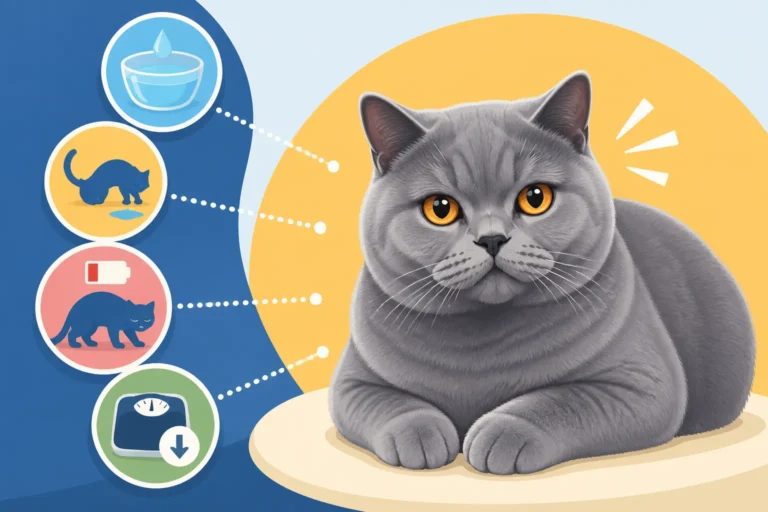
One of the first things you might notice, if you're truly paying attention, is a subtle decrease in activity. This isn't usually a sudden stop, but a gradual winding down. Your cat might sleep for longer periods, even for a British Shorthair who already loves a good nap. They might be less inclined to engage in their usual play sessions, even if those sessions were already quite mellow. For example, if your cat used to enjoy a short chase after a wand toy for five minutes, they might now only manage two minutes before losing interest or simply stopping to rest.
You might also observe changes in their preferred resting spots. Perhaps they used to jump onto a favorite cat tree or a high shelf, but now they opt for a lower bed or a spot on the sofa. This avoidance of jumping is a key sign, as it requires more exertion. Similarly, a formerly social cat might withdraw slightly, preferring solitude, while an already independent British Shorthair might become even more reclusive. These shifts can be so gentle that they blend into the background of daily life, but strung together, they can paint a picture of a cat not feeling their best.
Respiratory Clues You Might Miss
Respiratory changes are arguably the most crucial, yet often overlooked, early indicators of heart failure. As fluid begins to build up in the lungs, a cat's breathing pattern will change. This isn't always obvious gasping or coughing. Instead, look for a slightly increased respiratory rate when they are at rest or sleeping deeply. Normal resting breaths are typically between 15-30 breaths per minute. If you notice your cat consistently breathing faster than this, especially without exertion, it's a red flag. You can try counting their breaths while they sleep peacefully.
Another subtle sign is a change in the effort of breathing. Are their sides moving more noticeably with each breath? Is there a slight belly heave? While a healthy cat's breathing is smooth and almost imperceptible, a cat in early heart failure might show a tiny bit more effort. Sometimes, you might even hear a very soft, subtle crackle or wheeze, although this is usually a sign of more advanced fluid accumulation. Remember, cats are experts at hiding these symptoms, so even a slight alteration warrants attention. Knowing the signs a British Shorthair is breathing hard is absolutely critical.
Appetite and Weight Shifts
Changes in appetite and weight can be tricky with British Shorthairs, as many are known for their hearty appetites. However, a cat with developing heart failure might experience a subtle decrease in appetite. They might not finish all their food, or they might pick at it, leaving some behind. This isn't usually a complete refusal of food in the early stages, but a gradual reduction in consumption.
Weight loss, in turn, can be a sign of chronic illness, including heart disease. With their dense coats and cobby build, it can be hard to spot weight loss in a British Shorthair just by looking. It's often only noticeable when you pick them up and feel their body condition, or if you regularly weigh your cat. Keeping a consistent track of their weight, perhaps monthly, can help you identify a downward trend before it becomes severe. If you notice any of these changes, combined with other subtle signs, it’s a strong indication that a vet visit is needed.
The Importance of Proactive Veterinary Care
Understanding these subtle signs is just one part of the equation. The other, equally vital part, is committing to proactive veterinary care. Because British Shorthairs are so good at hiding illness, regular check-ups and diagnostic screenings are not just recommended, they are essential for their long-term health and well-being. This is where you become their best advocate.
Regular Check-ups and Early Detection
Routine veterinary visits, even when your British Shorthair seems perfectly healthy, are your first line of defense. Your veterinarian is trained to spot subtle cues that you, as an owner, might miss. During these visits, the vet will listen to your cat's heart and lungs, palpate their abdomen, and assess their overall body condition and demeanor. They might detect a heart murmur, which, while not a diagnosis of HCM itself, is a strong indicator that further investigation is warranted. These murmurs can often be the very first tangible clue that something is amiss, long before any visible symptoms appear.
It's also a chance for you to discuss any tiny changes you've noticed – even those you've dismissed as insignificant. Mentioning that your cat is "a little less playful" or "sleeping a tiny bit more" might seem trivial, but combined with a vet's findings, it could prompt crucial diagnostic steps. This proactive approach can make all the difference, allowing for potential interventions like the medications a British Shorthair with HCM takes much earlier in the disease progression. Pet insurance providers, such as Healthy Paws, often encourage and even offer wellness plans that cover these preventative visits, making it easier to stay on top of your cat's health.
Diagnostic Tools and Screening
When it comes to diagnosing heart disease in British Shorthairs, specific diagnostic tools are paramount. The gold standard for detecting HCM is an echocardiogram, often referred to as an "echo." This is a specialized ultrasound of the heart that allows a veterinary cardiologist to visualize the heart's structure, measure wall thickness, assess chamber size, and observe blood flow. It’s a non-invasive procedure and provides invaluable information about the health of your cat’s heart.
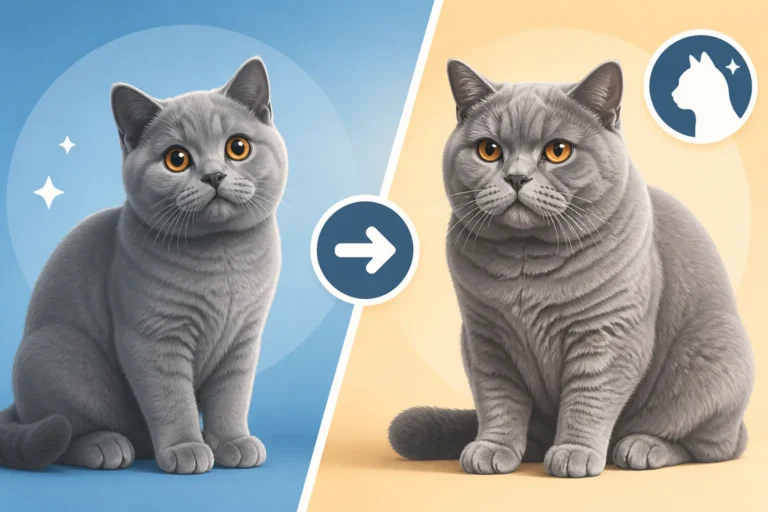
| Sign Category | Healthy British Shorthair | Subtle Signs of Heart Failure (Early) | Obvious Signs of Heart Failure (Late) |
|---|---|---|---|
| Activity Level | Calm, occasional play | Slightly less active, more naps | Lethargy, reluctance to move, hiding |
| Breathing | Smooth, quiet (15-30 bpm) | Slightly faster, subtle effort | Labored breathing, open-mouth breathing, coughing, rapid breathing (tachypnea) |
| Appetite | Consistent, eager | Decreased interest, leaves food | Anorexia, significant weight loss |
| Jumping | Jumps onto furniture | Avoids high places, uses steps/ramps | Unable or unwilling to jump |
| Grooming | Self-grooming, neat coat | Reduced grooming, unkempt appearance | Matted fur, poor coat condition |
| Mentation | Alert, aware | Slightly withdrawn, less responsive | Disorientation, collapse |
It's generally recommended that British Shorthairs begin cardiac screening at a young age, typically around one year old, and continue with yearly echoes. This is especially important given that there is no DNA test for HCM in this breed. Regular screening allows for the detection of changes over time, sometimes even before a heart murmur develops. An early diagnosis doesn't mean immediate despair; rather, it allows you and your vet to establish a management plan to potentially slow the progression of the disease and improve your cat's quality of life. For instance, knowing how long a clear British Shorthair echo is good for can guide your screening schedule. Comprehensive pet insurance, like plans from Healthy Paws, can be a true lifeline when facing diagnostic costs and long-term treatment for conditions like HCM. It can help ease the financial burden associated with managing chronic illnesses, allowing you to focus on your cat's care. Caring for a British Shorthair past ten means being especially vigilant about these health screenings, as age can exacerbate existing conditions.
Disclaimer
The information provided in this article is for general informational purposes only and is not a substitute for professional veterinary advice. Always consult with a qualified veterinarian for any health concerns or before making any decisions related to your pet's health and treatment.