How a British Shorthair With HCM Is Treated
Receiving a diagnosis of Hypertrophic Cardiomyopathy (HCM) in your beloved British Shorthair can be absolutely terrifying. You’re likely reeling, perhaps feeling a deep sense of dread and uncertainty about your cat's future. It’s a frightening moment when your vet explains that your sweet, round-faced companion has a heart condition, and it's easy to get lost in a whirlwind of medical jargon and worst-case scenarios. This comprehensive guide is here to walk you through exactly what HCM means for your British Shorthair and, more importantly, how it's treated, managed, and how you can support your feline friend every step of the way.
Understanding the HCM Diagnosis in Your British Shorthair
When your veterinarian delivers the news that your British Shorthair has HCM, it's a moment that can shake you to your core. This isn't just a generic cat disease; it's a specific, progressive heart condition that is unfortunately quite common in our beloved British Shorthairs, making it even more heartbreaking when it hits close to home. You probably picked your British Shorthair for their calm demeanor and adorable teddy bear looks, not expecting to delve into complex cardiology, but here we are. It’s crucial to remember that a diagnosis is the first step toward effective management, not an immediate end.
The Initial Shock and What It Means
That initial conversation with the vet often feels like a blur. You hear words like "thickened heart muscle," "poor relaxation," and "risk of clots," and it’s natural to feel overwhelmed. Hypertrophic Cardiomyopathy means that the muscular walls of your cat's heart, particularly the left ventricle, have become abnormally thick. This thickening makes it harder for the heart to relax and fill with blood properly between beats. Imagine trying to squeeze water into a balloon that's already mostly full – it's a lot of work, and not much water gets in. This reduced filling means less blood is pumped out to the body, impacting overall organ function and potentially leading to a cascade of other problems.
For a British Shorthair, a breed known for its robust, cobby build, it can be particularly insidious because they are often so stoic and adept at hiding illness. One day, they’re purring on the sofa, the next you’re discussing heart failure. The good news is that while HCM is a serious condition, a diagnosis doesn't mean your British Shorthair's happy life is over. It simply means a new chapter of proactive care and management has begun, focused on maintaining their quality of life for as long as possible. Understanding what HCM Does to a British Shorthair's Heart can help clarify the specific anatomical changes happening.
Diagnostic Process Review
You might be wondering how they even found this in the first place, or if you missed something. Often, HCM is first suspected when a vet hears a heart murmur during a routine check-up, or if your cat starts showing subtle Signs a British Shorthair Has Heart Disease, like becoming a bit more lethargic than usual, or perhaps a slight change in breathing. The definitive diagnosis for HCM relies on an echocardiogram, often simply called an "echo." This specialized ultrasound of the heart allows a veterinary cardiologist to visualize the heart's chambers, measure the thickness of the muscle walls, and assess blood flow.
It’s not just a quick scan; it's a detailed examination that takes time and expertise. Sometimes, the first echo is performed when a British Shorthair Should Have Its First Echo, often as part of responsible breeding screening, but for many pet owners, it comes after symptoms appear. Your vet might also recommend blood tests, including a proBNP test, which can indicate heart stress, though it's not diagnostic on its own. They'll also typically check kidney function, as heart and kidney health are closely linked. This thorough diagnostic process helps your veterinary team understand the severity of the HCM and tailor the most effective treatment plan for your British Shorthair.
Goals of HCM Treatment in British Shorthairs
Once the initial shock of diagnosis begins to wear off, the focus shifts to treatment. It’s easy to feel helpless, but your active participation in managing your British Shorthair’s condition is one of the most powerful tools you have. The veterinary team will work closely with you to set clear goals, all centered around extending your cat's lifespan while ensuring their comfort and happiness. Remember, for a condition like HCM, treatment is a marathon, not a sprint, and consistency is key.
Improving Heart Function and Quality of Life
The primary goal of any HCM treatment plan is to make your British Shorthair's heart work more efficiently and comfortably. This isn't about curing the disease – unfortunately, there's no cure for HCM itself – but rather about managing its effects. The medications and strategies employed aim to reduce the thickness of the heart muscle, help the heart relax more effectively to fill with blood, and improve the overall pumping action. By doing this, we hope to normalize blood pressure, reduce the workload on the heart, and ultimately give your cat a better quality of life.
Think of it as optimizing a finely tuned, but now slightly off-kilter, engine. We want to get it running smoothly again. This means your cat should feel better, have more energy (for a British Shorthair, that might just mean slightly less napping!), and experience less strain on their vital organs. Your vet will monitor specific parameters during follow-up echocardiograms and physical exams to ensure these goals are being met. The aim is for your British Shorthair to continue enjoying their favorite sunbeams, gentle purrs, and quiet companionship, even with their heart condition.
Managing Symptoms and Preventing Complications
Another critical aspect of HCM treatment is managing any symptoms your British Shorthair might be experiencing and, perhaps even more importantly, preventing severe complications from developing. If your cat has already started showing Signs a British Shorthair Is Breathing Hard, or if they're noticeably more tired, the treatment will immediately focus on alleviating these issues. For example, if fluid is building up in their lungs (a sign of congestive heart failure), medication will be prescribed to help remove that fluid, making breathing much easier and relieving discomfort.
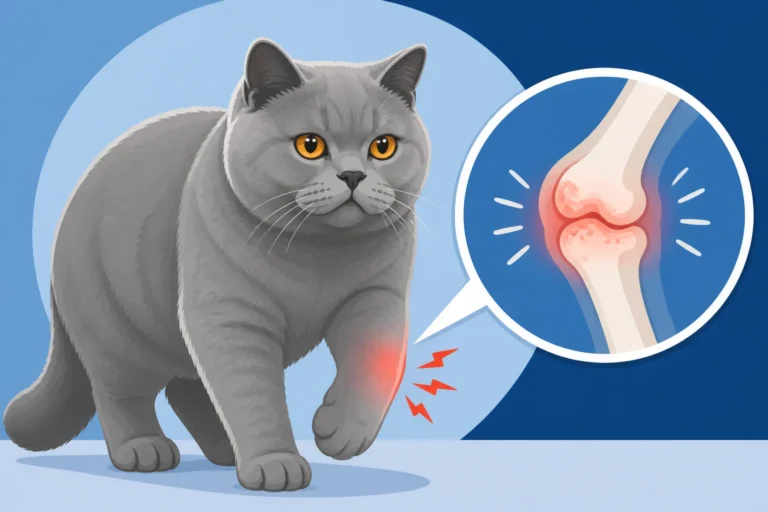
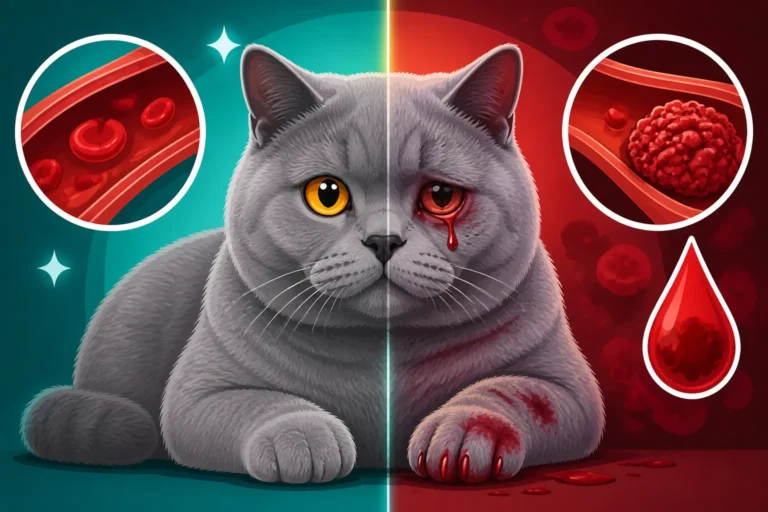
Beyond managing active symptoms, a huge part of treatment is prophylactic – preventing future problems. The most devastating complication of HCM in cats is the formation of blood clots within the heart chambers, which can then travel and block blood flow to other parts of the body, most commonly the hind legs. This is known as a saddle thrombus, and it's incredibly painful and often life-threatening. Therefore, medications designed to prevent these clots are a cornerstone of many HCM treatment plans. Your veterinary cardiologist will assess your British Shorthair's individual risk factors for these complications and adjust the treatment strategy accordingly. This proactive approach can make a monumental difference in your cat's long-term well-being.
Common Medications Used for British Shorthair HCM
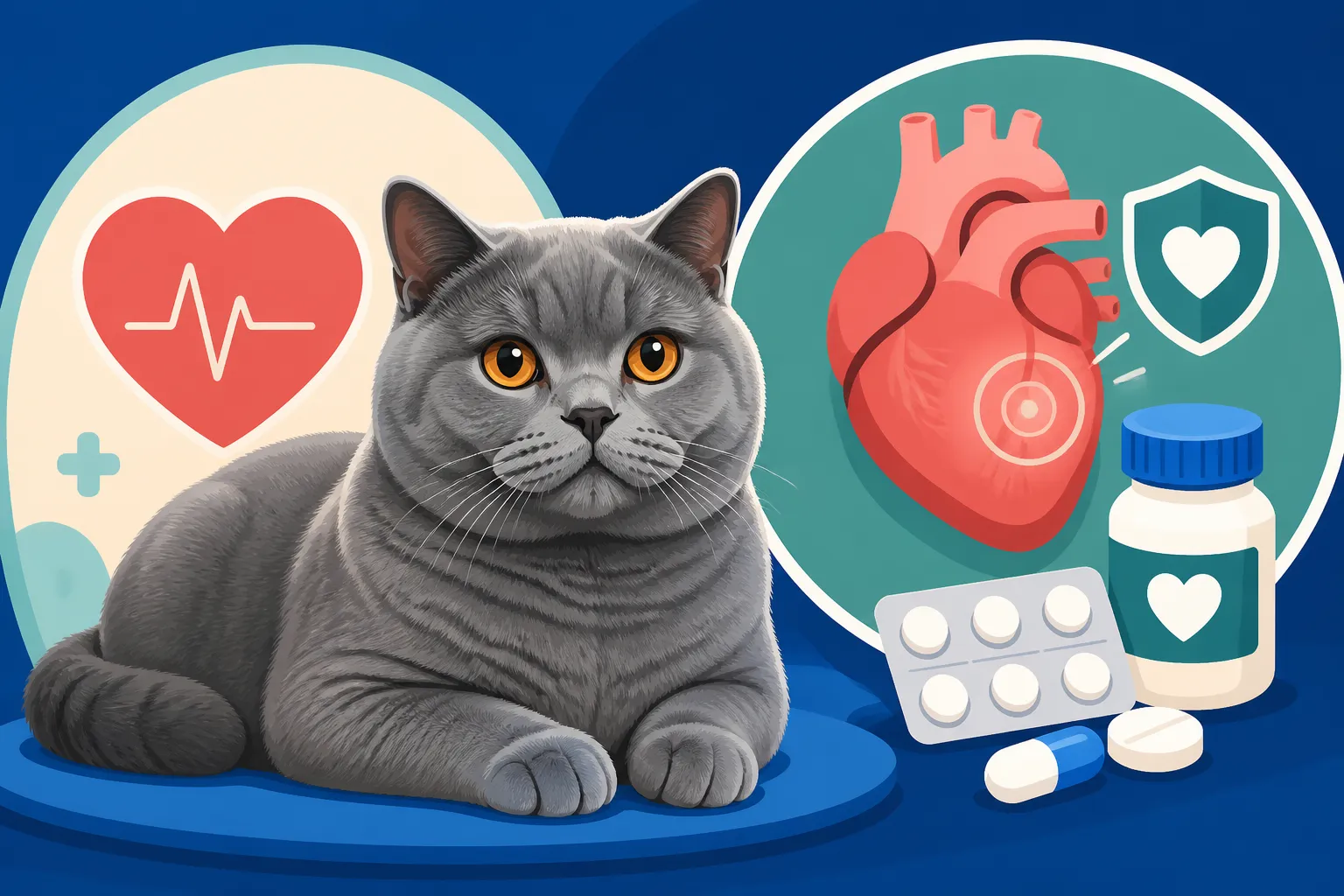
Navigating the world of feline cardiac medications can feel like learning a new language. You’ll hear names like Atenolol, Diltiazem, Furosemide, and Clopidogrel, and it’s easy to feel overwhelmed by the sheer number of pills your little British Shorthair might need. But each one plays a specific, vital role in supporting their heart health. Your vet will carefully select the right combination and dosage, adjusting as needed based on your cat’s response and the progression of the disease. It’s a delicate balance, and regular monitoring is essential.
Beta-Blockers and Calcium Channel Blockers
These are often among the first lines of defense when treating HCM in British Shorthairs. Beta-blockers, like Atenolol, work by slowing the heart rate and reducing the heart's oxygen demand. This allows the heart more time to relax and fill properly, which is crucial when the muscle walls are thickened. It's like giving the heart a much-needed break, easing its workload. Calcium channel blockers, such as Diltiazem, also help the heart muscle relax, improve blood flow, and can reduce the dynamic outflow tract obstruction that sometimes occurs in HCM, where the thickened muscle actually blocks blood from leaving the heart properly.
Administering these medications regularly and on schedule is incredibly important. Your vet will start with a specific dose and monitor your cat's heart rate and blood pressure to ensure the medication is effective without causing adverse side effects, like excessive lethargy or very low heart rate. You might find yourself becoming quite adept at administering pills, perhaps even hiding them in a tiny piece of churu or a special treat. Remember to always follow your vet’s instructions precisely and never adjust dosages on your own.
Diuretics for Congestive Heart Failure
If your British Shorthair's HCM progresses to congestive heart failure (CHF), meaning fluid is building up in their lungs or abdomen, diuretics become absolutely essential. The most commonly used diuretic is Furosemide (often known by its brand name, Lasix). These medications work by increasing urine production, which helps to remove excess fluid from the body. This significantly reduces the pressure in the lungs, making it easier for your cat to breathe, or lessens swelling in other areas. This is often the point when pet parents start noticing a marked improvement in their cat's comfort and breathing effort.
When your cat is on diuretics, regular monitoring of their kidney function and electrolyte levels is paramount. Because diuretics encourage fluid loss, there's a risk of dehydration or electrolyte imbalances, which can impact the kidneys. Your vet will likely recommend frequent blood tests, especially when starting or adjusting the dose of diuretics. You'll also need to ensure your British Shorthair has constant access to fresh water. While these medications can be life-saving for cats with CHF, they require careful management to prevent secondary issues.
Blood Thinners for Thromboembolism Prevention
One of the most devastating complications of HCM, and something every British Shorthair owner with an HCM diagnosis fears, is the possibility of a blood clot. As we touched on earlier, a saddle thrombus is an acute and extremely painful condition that can lead to paralysis of the hind legs. To mitigate this risk, particularly in cats deemed at high risk by their cardiologist, blood thinners are often prescribed. The most common medication for this is Clopidogrel, also known as Plavix.
Clopidogrel works by making the platelets in the blood less sticky, thereby reducing the likelihood of clot formation. It's a proactive measure that can literally save your cat's life and prevent immense suffering. However, as with any blood thinner, there's a slight risk of increased bleeding, so your vet will discuss this with you. If you ever notice unusual bruising or bleeding, it's important to contact your vet immediately. This medication is a testament to the fact that while HCM can be unpredictable, there are powerful tools available to prevent its most severe manifestations, offering peace of mind, especially with proactive insurance like Healthy Paws. Understanding Which Medication a British Shorthair With HCM Takes can give you more specific insights into these treatments.
Lifestyle and Dietary Adjustments for HCM Cats
Medications are a cornerstone of HCM management, but they’re not the whole picture. How your British Shorthair lives their daily life, what they eat, and how much stress they experience can all significantly impact their heart health. These adjustments are often overlooked but are incredibly important for supporting your cat's overall well-being and enhancing the effectiveness of their medical treatment. It's about creating an environment that supports a healthy heart from the inside out.
Stress Reduction and Environmental Enrichment
British Shorthairs are generally calm and placid cats, which is a huge advantage when it comes to managing a heart condition. However, any sudden stress can elevate heart rate and blood pressure, potentially exacerbating cardiac issues. Therefore, creating a serene and predictable home environment is paramount. This means minimizing sudden loud noises, avoiding abrupt changes in routine, and providing safe, quiet spaces where your British Shorthair can retreat. Perhaps it's a cozy bed in a sunny window, or a quiet corner under a favorite blanket.
Enrichment is still important, even for a low-energy cat. Gentle play sessions with a wand toy can provide mental stimulation without overexertion. Interactive feeders can engage their minds without causing too much physical strain. The key is balance – enough engagement to keep them mentally stimulated and happy, but not so much that it stresses their heart. Your British Shorthair probably doesn't need a high-flying cat tree to feel enriched; a soft, warm spot and plenty of gentle affection often suffice.
Dietary Considerations
Diet plays a crucial role in supporting a British Shorthair with HCM, particularly if they are also dealing with or at risk of congestive heart failure. One of the most important considerations is sodium intake. Just like in humans, excessive sodium can lead to fluid retention, which puts extra strain on the heart and can worsen fluid buildup in the lungs. Your vet may recommend a low-sodium diet, either through specific prescription cardiac diets or by carefully selecting commercial foods with lower sodium content. Avoid table scraps and high-sodium treats, as tempting as it might be to spoil your unwell feline.
Beyond sodium, maintaining a healthy weight is absolutely critical. We know British Shorthairs can easily gain weight, given their natural tendency towards a more sedentary lifestyle. Obesity Is the British Shorthair's Real Disease, and for a cat with HCM, being overweight adds an immense burden to an already compromised heart. It requires the heart to work even harder to pump blood through a larger body mass, increasing blood pressure and overall strain. Your vet will guide you on appropriate portion control and potentially a weight loss plan if needed.
Some cardiologists also discuss dietary supplements like L-carnitine, taurine, and omega-3 fatty acids. While these are not a cure, they can sometimes offer supportive benefits for heart muscle function and overall inflammation. However, never start any supplements without consulting your veterinarian, as they need to be appropriate for your cat's specific condition and won't interact negatively with medications.
Ongoing Monitoring and Prognosis
Living with a British Shorthair diagnosed with HCM means embracing a new routine of vigilance and regular veterinary visits. It might feel like a lot to manage, but this ongoing monitoring is what allows your veterinary team to stay ahead of the disease, adjusting treatments as needed and ensuring your cat remains as comfortable and healthy as possible for as long as possible.
Regular Veterinary Check-ups and Diagnostics
Once your British Shorthair is diagnosed with HCM and starts treatment, those initial vet visits will be more frequent. Your cardiologist will want to see how your cat is responding to medication, check their blood pressure, listen to their heart and lungs, and ensure there are no adverse effects. As things stabilize, the frequency of visits might decrease, but regular check-ups will remain a lifelong commitment. These typically include physical exams, blood work to monitor kidney function and electrolyte levels (especially important if diuretics are being used), and follow-up echocardiograms.
The echocardiograms are particularly important as they allow the cardiologist to visually assess the heart's structure and function. They can see if the muscle thickening has progressed, if the heart's ability to relax has changed, and if there are any new concerns. Your vet will advise you on How Often a British Shorthair Needs an Echo, but generally, these might be recommended every 6 to 12 months, or more frequently if your cat's condition changes. Don't underestimate the power of home monitoring either; paying close attention to your cat's breathing rate while they're resting or sleeping is a simple, effective way to spot early signs of fluid buildup. A normal resting respiratory rate is usually between 20-30 breaths per minute. If it consistently goes higher, or if you notice any Signs a British Shorthair Is Breathing Hard, it’s time to call the vet.
Understanding the Prognosis and Quality of Life
Hearing the word "prognosis" can be unsettling, but with HCM, it's not a straightforward answer. HCM is a progressive disease, meaning it will typically worsen over time, but the rate of progression varies hugely from cat to cat. Some British Shorthairs can live for many years with a good quality of life after diagnosis, especially if the disease is caught early and managed proactively. Others might have a more aggressive form that progresses quickly.
Factors that influence the prognosis include the severity of the thickening at diagnosis, the presence of congestive heart failure, and whether complications like blood clots (What Saddle Thrombus Does to a British Shorthair is devastating) have occurred. Your vet will discuss your British Shorthair’s specific situation with you, providing an honest assessment while focusing on what can be done to maximize their comfort and longevity. The goal is always a good quality of life, where your cat is happy, comfortable, and enjoys their daily routine without significant distress. While it's tough to hear, knowing How Long a British Shorthair Lives After an HCM Diagnosis can help you prepare emotionally and practically.
| Medication Type | Common Examples | Primary Purpose | Key Considerations |
|---|---|---|---|
| Beta-Blockers | Atenolol | Slow heart rate, reduce heart's oxygen demand, improve relaxation. | Monitor heart rate, blood pressure. Can cause lethargy. |
| Calcium Channel Blockers | Diltiazem | Relax heart muscle, improve blood flow, reduce outflow obstruction. | Monitor heart rate, blood pressure. |
| Diuretics | Furosemide | Remove excess fluid from lungs/body in CHF. | Monitor kidney function, electrolytes. Ensure constant water access. Increased urination. |
| Blood Thinners | Clopidogrel (Plavix) | Prevent blood clot formation (thromboembolism). | Monitor for bleeding (bruising, nosebleeds). Crucial for high-risk cats. |
| ACE Inhibitors | Benazepril (less common in cats, but can be used) | Dilate blood vessels, reduce heart workload, help manage blood pressure. | Monitor kidney function, blood pressure. |
What to Expect in an Emergency
Even with the best medical management and proactive care, heart conditions can sometimes lead to acute crises. It's a scary thought, but being prepared and knowing what to look for can make all the difference in an emergency situation. Your British Shorthair relies on you to recognize when something is seriously wrong and to act swiftly.
Recognizing Signs of Crisis
The most critical signs of a cardiac emergency in a British Shorthair typically involve severe respiratory distress or sudden paralysis. If your cat suddenly starts breathing very rapidly and with open-mouthed breaths, or if their breathing looks labored and difficult, with visible abdominal effort, this is a medical emergency. They might even assume a crouched, head-down posture as they struggle to get air. These are classic signs of acute congestive heart failure (fluid in the lungs) and require immediate veterinary attention.
Another devastating sign of crisis is sudden paralysis of one or both hind legs, often accompanied by intense pain, vocalization, and cold paws. This is the hallmark of a saddle thrombus, where a blood clot has traveled and blocked blood flow to the legs. This is an incredibly painful and time-sensitive emergency. Other less dramatic but still concerning signs can include sudden collapse, extreme lethargy, or a significant change in behavior that suggests acute discomfort or weakness. Your vet will likely educate you on these specific warning signs so you can act quickly if they ever occur.
Preparing for Emergencies
The best defense against a cardiac emergency is a good offense. This means having a plan in place before a crisis hits. First and foremost, know the location and contact information for your regular veterinary clinic and, crucially, the nearest 24/7 emergency veterinary hospital. Many general practice vets don't have overnight staff, so you need to know where to go outside of regular hours. Keep these numbers readily accessible, perhaps even taped to your refrigerator or programmed into your phone.
It's also a good idea to have a carrier ready and easily accessible. Trying to wrangle a distressed cat into a carrier during an emergency is incredibly difficult and adds stress. If your British Shorthair has a known heart condition, discuss an emergency plan with your cardiologist. They might advise you on what to do immediately at home (e.g., if you have emergency oxygen available) and what information to have ready for the emergency vet. Consider pet insurance from providers like Healthy Paws; it can be an absolute lifesaver when unexpected, high-cost emergencies arise, allowing you to focus on your cat's care rather than the daunting financial burden. Knowing that your British Shorthair's care is covered can alleviate immense stress during an already difficult time.
Disclaimer
The information provided in this article is for general educational purposes only and is not a substitute for professional veterinary advice. Always consult with a qualified veterinarian or veterinary cardiologist regarding your British Shorthair's specific medical condition and treatment plan. Medical situations are unique, and individual outcomes can vary.