Whether the British Shorthair Was Ever a Working Cat
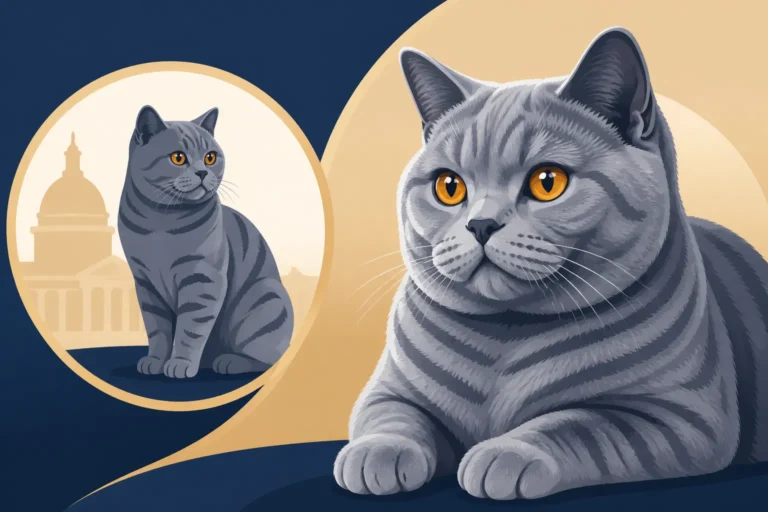
It's easy to look at the quintessential British Shorthair today, with their plush coats, round faces, and generally calm demeanor, and imagine they've always been the pampered, regal house cats we adore. But beneath that teddy bear exterior lies a fascinating history, and many new owners wonder if this breed ever truly had a "job." This guide will explore the rich working heritage of the British Shorthair and how those ancient instincts still shape their behavior today, giving you a deeper appreciation for your furry companion.
The Ancient Instincts: British Shorthairs as Master Hunters
Long before the British Shorthair was a recognized breed gracing cat shows, its ancestors were earning their keep as formidable hunters. These weren't just cute companions; they were essential members of households, playing a vital role in pest control. This isn't just speculation; it's a deep-seated part of their lineage that has allowed them to survive and thrive for centuries.
Roman Roots and Pest Control
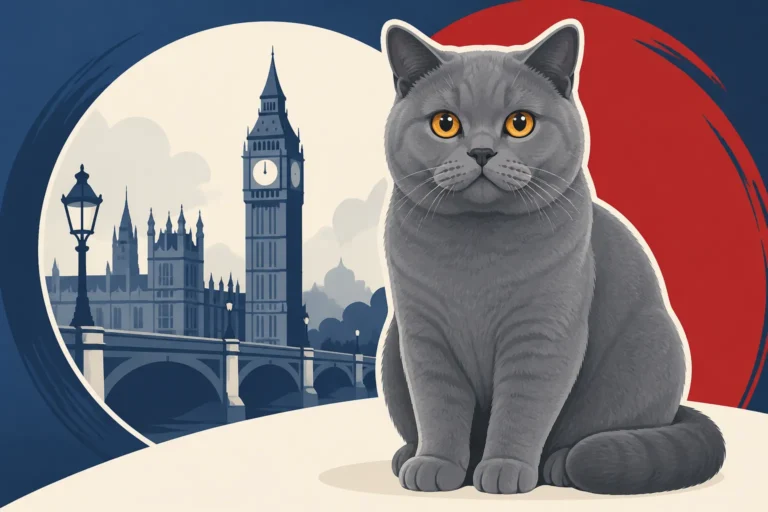
Imagine ancient Roman settlements in Britain, bustling with activity, but also unfortunately, with rodents. Grain stores, homes, and public spaces were constantly under threat from mice and rats. Enter the ancestors of the British Shorthair. It's widely believed that these felines were brought to Britain by the Romans, valued precisely for their predatory skills. They weren't pets in the modern sense; they were efficient, silent guardians protecting valuable food supplies and preventing the spread of disease. Their very presence was a crucial form of pest management, making them indispensable.
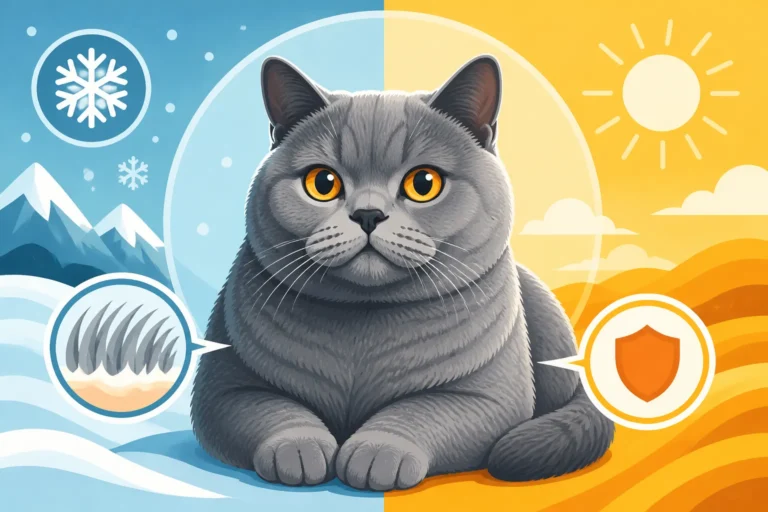
These early British cats had to be resilient and resourceful. They were not fed fancy kibble from Chewy; they hunted for every meal, honing their skills daily. This natural selection favored cats that were strong, agile, and effective hunters, traits that contributed to the robust build we still see in the breed today. Their short, dense coats, which are now a hallmark of the breed's beauty, also served a practical purpose, offering protection from the elements and from scratches during hunts. If you're curious about their origins, you might enjoy reading about Whether Roman Cats Founded the British Shorthair.
A Life on British Streets and Farms
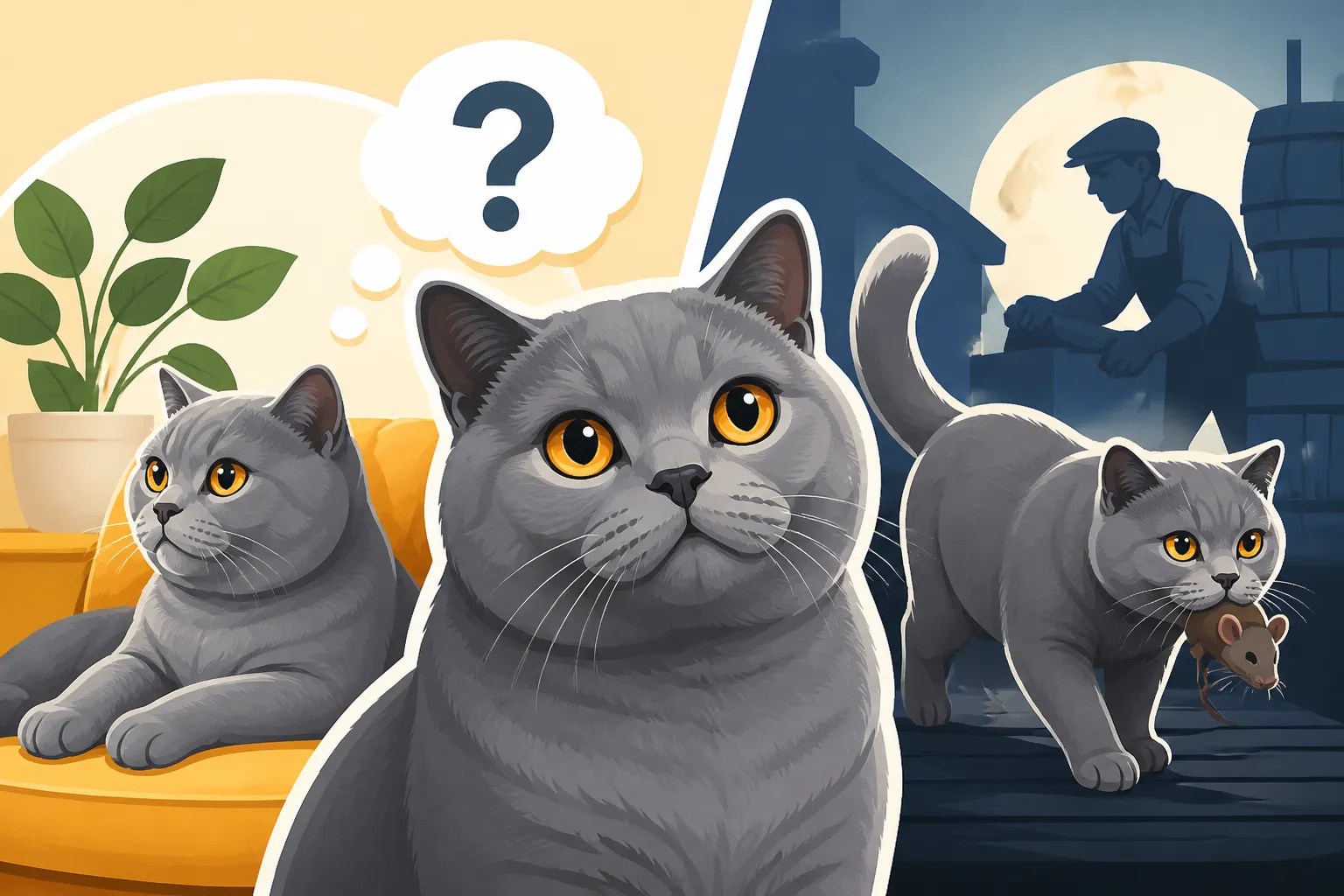
As centuries passed, these cats spread throughout Britain, adapting to life in both urban environments and rural farmlands. In towns and cities, they roamed alleyways and markets, continuing their tireless work as rodent catchers, preventing vermin from infesting homes and businesses. They were a common sight, an integral part of the daily fabric of British life, though largely unremarked upon as a distinct "breed" at this stage.
On farms, their role was even more pronounced. A farmer's livelihood depended on protecting crops and stored grains from rodents. A good farm cat was worth its weight in gold, diligently patrolling barns and granaries. These cats were not coddled; they were expected to hunt and survive, often living a semi-feral existence. Their quiet nature, a trait still prized in the British Shorthair, would have made them incredibly effective hunters, able to stalk prey unseen and unheard. You can learn more about What a British Shorthair Did on a Farm.
From Working Cat to Esteemed Companion
The transition of the British Shorthair from a utilitarian working animal to a cherished pet and show cat is a fascinating journey, largely spearheaded by Victorian cat fanciers who recognized their unique charm and potential.
Harrison Weir and the Birth of the Breed Standard
The late 19th century saw the emergence of organized cat fancying, and with it, the desire to formalize and celebrate distinct cat types. A pivotal figure in this movement was Harrison Weir, often credited as the "Father of the Cat Fancy." Weir adored the robust, rounded cats he saw on the streets and farms of Britain. He recognized their unique qualities – their sturdy build, their dense coat, and their amiable temperament – and set out to establish them as a pedigreed breed. He felt these native cats deserved recognition, just as much as the more exotic breeds being imported.
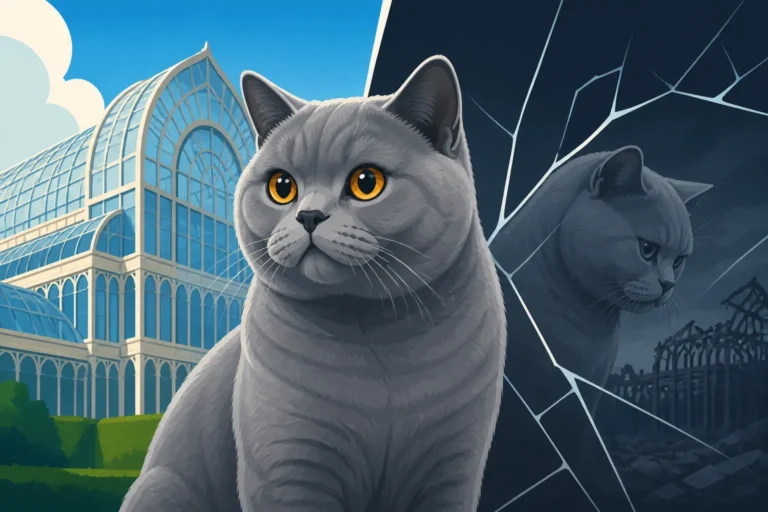
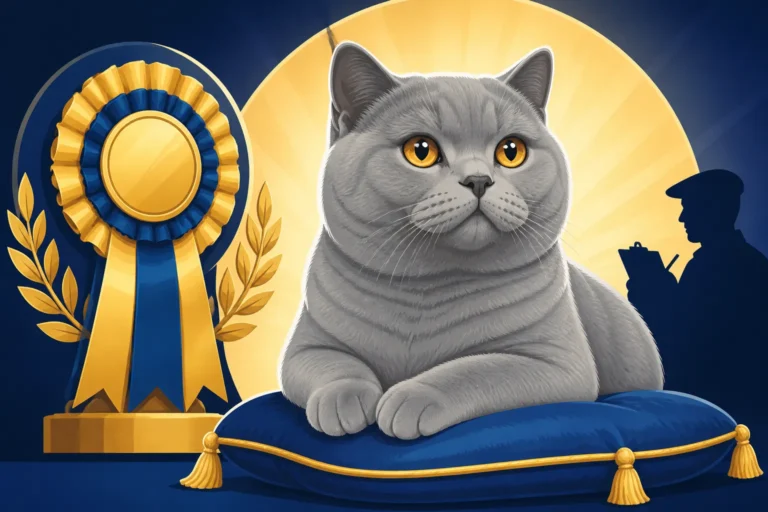
It was Harrison Weir who meticulously documented the characteristics he admired, effectively writing the first breed standard for what he initially called the "British Type." He organized the first-ever cat show at Crystal Palace in 1871, where his own British Shorthair took pride of place, essentially launching the breed into the public consciousness as something more than just a working cat. This was a monumental shift, elevating them from humble pest controllers to animals of beauty and prestige. If you're interested in the history, you might like Who Harrison Weir Was to the British Shorthair.
The Evolution of Purpose: Companionship Takes Center Stage
As the British Shorthair became a recognized and desirable breed, their primary purpose gradually shifted. While their hunting instincts remained, their main "job" became companionship. People sought them out for their calm, affectionate nature, their striking appearance, and their relatively low maintenance. This era saw selective breeding focus more on aesthetic qualities and temperament suitable for an indoor lifestyle, rather than solely on hunting prowess.
However, the path wasn't always smooth. The breed faced challenges, particularly during the World Wars when breeding efforts dwindled. Outcrossing with other breeds, including Persians, was used to rebuild the population and solidify certain desirable traits, which also brought in the gene for Polycystic Kidney Disease, something addressed in Polycystic Kidney Disease Came Into the British Shorthair With the Persians. Despite these changes, the core temperament and physical attributes that made them excellent working cats endured.
The Modern British Shorthair: Echoes of the Past
Even though your British Shorthair is likely lounging on your sofa rather than patrolling a granary, those ancient instincts are still very much a part of who they are. Understanding these echoes of their working past can help you provide a more enriching life for your modern companion.
Hunting Instincts in the Home
Don't be surprised if your British Shorthair occasionally stalks a dust bunny with intense focus, pounces on a crinkly toy, or "kills" an errant fly. These behaviors are direct manifestations of their ancestral hunting drive. Even a well-fed house cat needs an outlet for these instincts. They might not be hunting for survival, but the thrill of the chase, the strategic stalking, and the satisfying "capture" are deeply ingrained.
Many British Shorthair owners observe their cats intently watching birds from a window or chattering at perceived prey. This isn't just casual observation; it's the predator within, engaged and alert. Providing appropriate toys that mimic prey animals, like feather wands or small, fuzzy mice, can fulfill this need. This is where modern pet retailers shine; you can find a vast array of stimulating toys on Chewy that cater directly to a cat's predatory drive. For more on their daily life, consider What a British Shorthair Does All Day.
Low Energy, High Engagement
It's true that British Shorthairs are generally known for their calm and somewhat sedentary nature. They are not typically high-energy, zoomie-inducing cats like some other breeds. This might seem contradictory to their working past, but remember that a good hunter conserves energy. They wait, they observe, and then they strike with efficiency. This calm demeanor allows them to remain alert without expending unnecessary energy.
This low energy level can sometimes lead to problems like obesity if not managed, which is why understanding their heritage is key. To counteract this, owners must actively engage them in play. Short, intense play sessions are often more effective than long, drawn-out ones. Wand toys, which allow you to mimic prey movement, are particularly popular. You can explore Which Toys a British Shorthair Will Actually Chase to find options that will spark their interest. Even for a seemingly lazy cat, regular stimulation is crucial for their physical and mental well-being.
Providing Enrichment That Taps into Their Heritage
To truly enrich your British Shorthair's life, think like a cat of yesteryear. How can you bring a touch of the "hunt" into their modern environment?
- Interactive Play: As mentioned, wand toys are fantastic. Engage them in stalking and pouncing, allowing them to "catch" the toy at the end of the session. This completes the hunt cycle, which is deeply satisfying for them.
- Puzzle Feeders: Instead of just putting food in a bowl, consider using puzzle feeders. These require your cat to "work" for their food, simulating the effort of hunting. It slows down eating, prevents boredom, and taps into their natural foraging instincts. Chewy offers a great selection of these to keep them engaged.
- Vertical Space: While not extreme climbers, British Shorthairs appreciate being able to observe their territory from a vantage point, much like a hunter surveying its domain. Cat trees or shelves can provide this.
- "Hunting" for Treats: Hide treats around the house, encouraging them to sniff them out. This engages their senses and provides a mini-hunt.
Here's a comparison of traits from their working past and present:
| Trait | Historical Working Cat (Ancestor) | Modern Pet British Shorthair |
|---|---|---|
| Primary Role | Pest control, protecting food stores | Companion animal, family member |
| Diet Source | Primarily self-hunted rodents, occasional scraps | Commercial cat food (kibble, wet food), treats |
| Activity Level | High bursts of energy for hunting, otherwise conserving | Generally calm, requires owner-initiated play to stay active |
| Environment | Farms, streets, barns, exposed to elements | Indoors, climate-controlled homes |
| Hunting Drive | Essential for survival, constant practice | Innate instinct, expressed through play and observation |
| Temperament | Independent, resilient, focused on survival | Affectionate, adaptable, often prefers proximity over laps |
| Socialization | Limited interaction with humans, often solitary | Highly socialized with humans and sometimes other pets |
| Grooming | Self-grooming, minimal intervention | Regular combing by owner, especially during shedding seasons |
Even though your British Shorthair might seem content to simply snooze in a sunbeam, never forget the tireless, effective hunter that exists within them. By respecting and channeling those ancestral instincts, you can provide a truly fulfilling life for your wonderful companion. For more ideas on activity, take a look at Getting a Low Energy British Shorthair to Move. And understanding their physical needs, especially their potential for weight gain given their history of efficiency, is key to their long-term health. Consider reading Why a British Shorthair Gains Weight So Easily to ensure you're providing the best care. You can also explore How Much Play a British Shorthair Needs to help keep them active.
Disclaimer
This article is for general informational purposes only and does not constitute professional advice. Laws, prices and regulations vary by location and change over time. Consult a qualified professional for guidance on your specific situation.