What a British Shorthair Was Kept For on a Farm
It’s easy to look at a fluffy, placid British Shorthair curled up on a velvet cushion and imagine they’ve always lived a life of pampered luxury. But many cat owners don't realize that these endearing felines have a robust history, far removed from soft beds and endless chin scratches. They were once tough, practical working cats, and understanding their origins helps us appreciate their calm nature and sturdy build even more today. This guide will take you back in time to explore the vital role the British Shorthair, or its direct ancestors, played on farms and in homes, proving they were much more than just pretty faces.
The British Shorthair's Original Job: Essential Pest Control
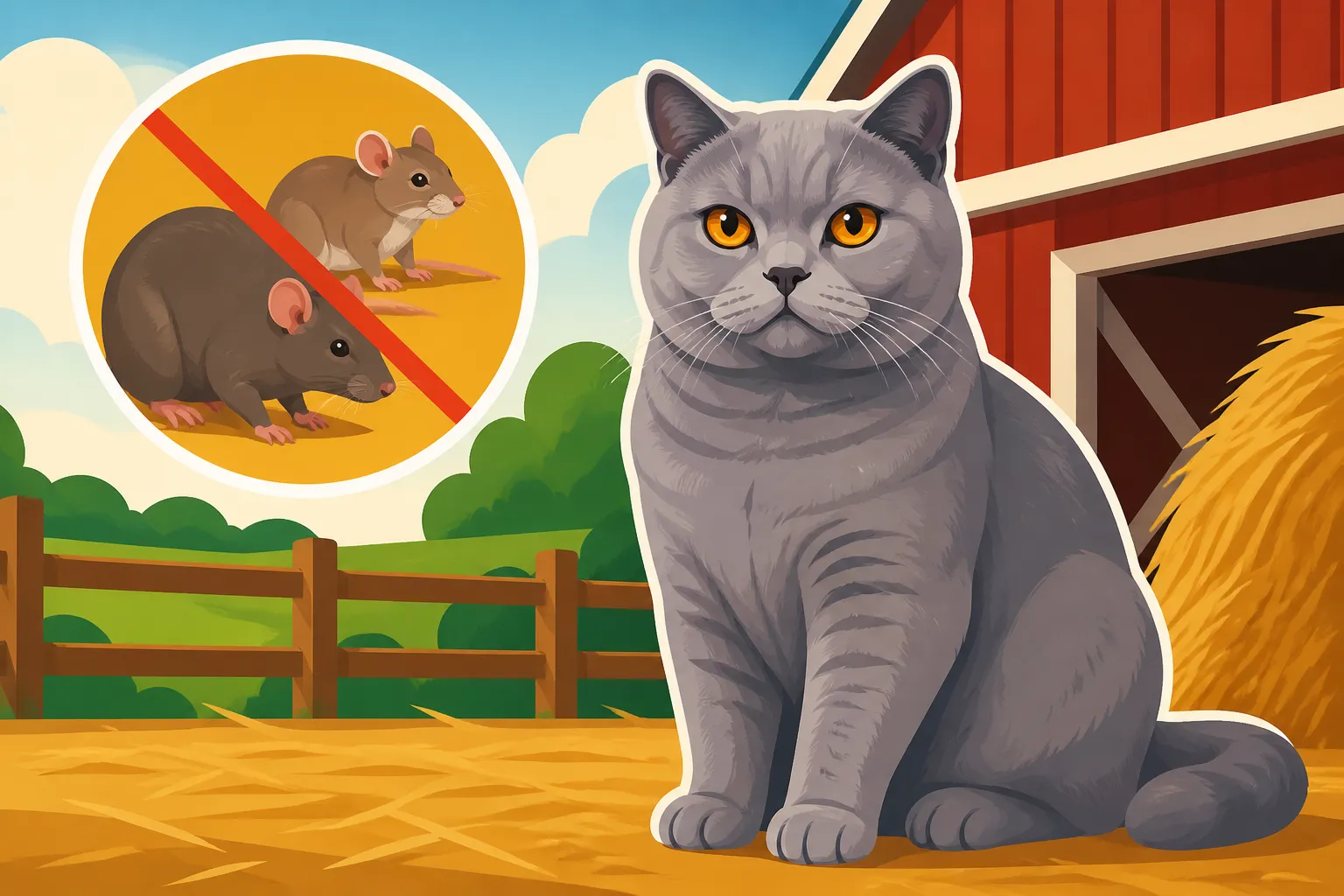
Long before they became beloved show cats and cherished house pets, the ancestors of the British Shorthair earned their keep as highly effective pest control agents. Life on a farm, or even in a bustling city dwelling, meant a constant battle against rodents and other small creatures looking for an easy meal or a warm place to nest. These cats weren't just a convenience; they were a necessity for survival and economic well-being.
Protecting Grains and Food Stores
Imagine a farm in rural Britain, centuries ago. The livelihood of a family depended entirely on the crops they harvested and the food they stored away for the long winter months. A sudden infestation of mice or rats could decimate grain reserves, spoil flour, and contaminate vital food supplies, leading to hunger and hardship. This was where the British Shorthair's ancestors truly shone. With their natural hunting instincts and impressive stealth, they were invaluable guardians of the pantry, barn, and granary. They moved with a quiet efficiency, patrolling the perimeters and corners, keeping rodent populations in check. Without them, farmers would face significant losses, making these cats an integral part of the agricultural ecosystem. What a British Shorthair Was Kept For on a Farm covers more about their historical duties.
Preventing Disease Spread
Beyond just eating crops, rodents are notorious carriers of diseases that can affect both humans and livestock. From typhus to leptospirosis, the presence of rats and mice posed a serious public health risk. A strong, healthy cat population on a farm was the first line of defense against these unseen threats. By diligently hunting and eliminating rodents, the ancestors of the British Shorthair helped maintain a healthier environment for everyone living and working on the farm. Their vigilance contributed significantly to reducing the spread of infectious diseases, a role that was often unsung but critically important in an era without modern sanitation or medicine.
Traits That Made Them Excellent Farm Cats
The physical and temperamental characteristics we admire in the modern British Shorthair didn't just appear by chance; they were honed over generations of living a practical, outdoor life. These traits were perfectly suited to the demands of farm existence, allowing them to thrive and excel in their working roles.
Robust Build and Dense Coat for Outdoor Life
One look at a British Shorthair reveals a sturdy, well-muscled physique, often described as "cobby." This isn't just for aesthetics; it's a testament to their hardy origins. A powerful build meant they could handle the rough and tumble of farm life, navigate uneven terrain, and pounce with considerable force. Their short, dense, "crisp" coat, which stands away from the body, provided excellent insulation against the often damp and chilly British weather. This double layer protected them from the elements, whether they were hunkering down in a drafty barn or venturing out in search of prey on a cold morning. Why a British Shorthair's Dense Coat Suited the Climate dives deeper into this protective feature. They were truly built for purpose, not just for petting.
Independent Nature and Strong Hunting Instincts
Farm cats needed to be self-sufficient. They weren't waited on hand and foot; they largely fended for themselves, finding their own food and shelter. This fostered a highly independent nature, a trait still evident in many British Shorthairs today, even when they live a pampered indoor life. While they appreciate companionship, they are often content to entertain themselves and aren't overly demanding. Crucially, their strong prey drive was paramount. Generations of natural selection ensured that only the most skilled hunters survived and passed on their genes. This innate ability to stalk, chase, and capture prey made them formidable rodent catchers, driven by instinct rather than merely a desire for a meal from a bowl. They were, in essence, highly efficient, self-operating pest control units.
Calm Temperament and Quiet Demeanor
While their hunting skills were fierce, their general demeanor was, and still is, remarkably calm. A high-strung, nervous cat would be less effective on a busy farm, easily spooked by machinery, livestock, or human activity. The ancestors of the British Shorthair developed a quiet confidence, moving deliberately and observing their surroundings with a watchful eye. This calm temperament made them less prone to panicking and more able to focus on their task. Furthermore, a quiet approach was essential for successful hunting; a loud or boisterous cat would scare away its prey. Their famous "soft voice" or preference for trills and chirps over loud meows is likely a carryover from a time when discretion was key to catching supper. Why a British Shorthair Is So Quiet explores this fascinating aspect of their communication.
The Shift from Farm Worker to Family Member
The journey of the British Shorthair from working farm cat to cherished family pet is a fascinating evolution, mirroring societal changes and a growing appreciation for felines beyond their utilitarian value. This transformation wasn't overnight but occurred gradually as their practical utility lessened and their appealing temperament became more recognized.
From Barn to Bench: The Rise of Cat Fancy
The mid-19th century saw the emergence of the cat fancy in Britain, spearheaded by figures like Harrison Weir. It was Weir who organized the first modern cat show at Crystal Palace in 1871, featuring domestic cats, including what he termed the "British Shorthair." This marked a pivotal moment, taking these formerly working cats from the farm and street and elevating them to a position of admired beauty and distinct breed status. Breeders began to focus on standardizing their appearance, emphasizing the round head, plush coat, and copper eyes that define the breed today. This shift meant that qualities like hunting prowess, while still present, took a backseat to conformational beauty and a gentle disposition suitable for indoor life. The British Shorthair Started as a British Street Cat offers more insight into their humble beginnings.
Modern British Shorthairs: The Pampered Indoor Life
Today, the vast majority of British Shorthairs live exclusively indoors, far removed from the rigors of farm life. They enjoy climate control, veterinary care, and carefully portioned meals. This change in lifestyle means that while the instincts of their ancestors still linger, they are expressed differently. A modern British Shorthair might "hunt" a feather wand toy with great intensity or stalk a dust bunny under the sofa. Their dense coat, once essential for warmth outdoors, now makes them wonderfully cuddly companions. Providing a stimulating indoor environment, with plenty of toys and interactive play, is crucial to satisfying their inherent drives without exposing them to the dangers of the outdoors. Owners often turn to online pet supply retailers like Chewy to ensure they have a constant supply of engaging toys and treats for their indoor adventurers.
Comparing the Farm Cat's Life to the Modern Pet British Shorthair
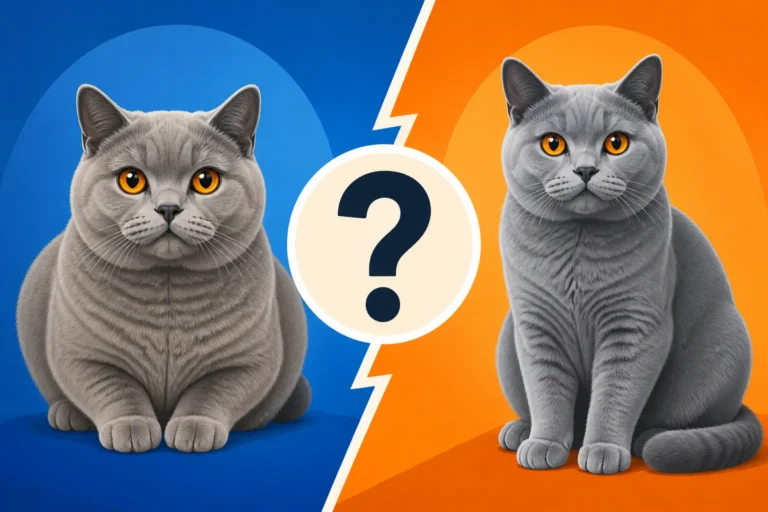
The lives led by the British Shorthair's ancestors on a farm and those led by their modern counterparts as cherished pets are almost incomparable. Looking at these differences highlights just how much the breed has adapted and how our relationship with cats has changed over time.
Diet and Nutrition
On the farm, a cat's diet was primarily self-sourced. They ate what they caught: mice, voles, small birds, and insects. Any additional food would have been scraps from the farm kitchen or perhaps a bowl of milk, if available. This diet was often irregular and nutritionally varied, depending on their hunting success. Fast forward to today, and the modern British Shorthair benefits from meticulously formulated commercial cat foods, tailored to their age, activity level, and specific health needs. Owners carefully monitor their intake to prevent obesity, a common issue in this less active breed. For example, many British Shorthair owners might use services like Chewy to set up recurring deliveries of specialized kibble or wet food to ensure their feline friend always has a balanced diet. How Much an Adult British Shorthair Eats explores the dietary needs of today's pets.
Health and Longevity
Life on a farm was undoubtedly tougher. Cats faced dangers from predators, accidents with farm machinery, exposure to harsh weather, and a lack of veterinary care. Parasites were rampant, and illnesses often went untreated. Consequently, the lifespan of a farm cat was likely much shorter. Today's British Shorthairs, however, often live long, healthy lives, averaging The Twelve to Seventeen Years a British Shorthair Gets. They receive regular vaccinations, parasite control, and prompt medical attention when needed. Preventative care, including annual veterinary check-ups and screenings for genetic conditions like HCM (Hypertrophic Cardiomyopathy), has become standard. Modern owners can even purchase pet insurance to help manage the costs of advanced veterinary care, making the idea of a sick farm cat a stark contrast.
Socialization and Environment
Farm cats were often part of a larger colony, interacting with other cats, livestock, and working dogs. While they might have had a bond with a particular human, their primary focus was survival and hunting. They were highly independent and self-reliant. The modern British Shorthair, by contrast, is typically a highly socialized companion animal. They are raised to be comfortable with humans, often enjoying gentle interaction and forming deep bonds with their families. Their environment is usually a safe, secure home, filled with comfortable beds, scratching posts, and toys. While they retain an independent streak, they rely on their human companions for everything from food and water to emotional comfort and intellectual stimulation. The choice of whether a British Shorthair is an indoor-only pet is almost always "yes" today, a far cry from their outdoor, working ancestors. Whether a British Shorthair Should Be Indoor Only delves into why this is the preferred lifestyle now.
Here's a quick comparison of the two very different lives a British Shorthair (or its ancestors) might lead:
| Feature | Farm Cat Ancestor | Modern Pet British Shorthair |
|---|---|---|
| Primary Role | Pest control, protecting crops and health | Companion animal, family member |
| Diet | Self-hunted prey (mice, birds), occasional scraps | Specially formulated commercial cat food, portion-controlled |
| Shelter | Barns, outbuildings, natural shelters | Climate-controlled home, cozy beds |
| Environment | Outdoor, exposed to elements, busy farm | Indoor, safe, controlled, enriching toys |
| Health Care | Minimal to none, natural immunity | Regular vet check-ups, vaccinations, parasite control, screenings |
| Socialization | Often solitary or part of a colony, independent | Highly bonded with humans, seeks interaction |
| Lifespan | Shorter, due to hazards and lack of care | Longer, due to modern care and safe environment |
| Grooming | Self-grooming, minimal human intervention | Regular combing, occasional baths, nail trims |
In conclusion, the journey of the British Shorthair from the humble farm to the heart of our homes is a testament to their enduring adaptability and appealing nature. While their job has changed dramatically, the core qualities that made them excellent farm cats – their sturdy build, calm demeanor, and intelligence – continue to make them wonderful companions today.
Disclaimer
This article is for general informational purposes only and does not constitute professional advice. Laws, prices and regulations vary by location and change over time. Consult a qualified professional for guidance on your specific situation.