What a British Shorthair’s Ear Wax Should Look Like
It’s easy to get a little panicky when you peek into your British Shorthair’s ears and see… something. You might worry if it’s too dark, too plentiful, or just looks generally "off." Knowing what healthy British Shorthair ear wax actually looks like can save you a lot of sleepless nights and unnecessary vet trips, while also helping you spot real problems quickly. This guide will walk you through the normal spectrum of ear wax and highlight the signs that mean it's time for a professional check-up.
The Spectrum of Normal British Shorthair Ear Wax
When you first open up your British Shorthair’s ear flap, you might be surprised at how much is going on in there. It’s not always pristine and perfectly clean, and that’s entirely okay. Ear wax, or cerumen, serves a vital purpose, much like in humans, protecting the delicate structures of the ear.
Healthy Ear Wax – What to Expect
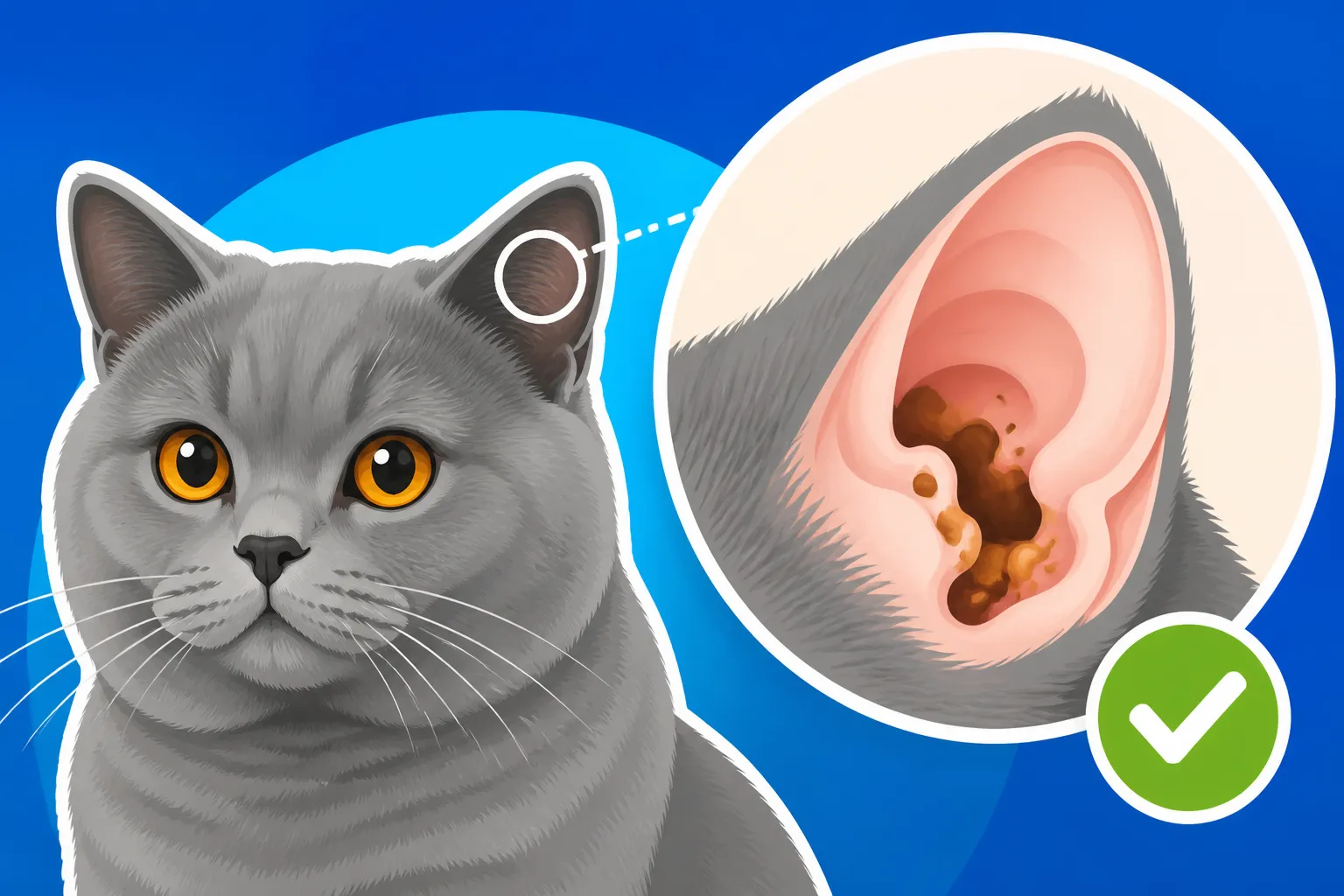
In a healthy British Shorthair, ear wax should generally appear light brown, tan, or even a yellowish-beige color. Think of it as a very light, almost dusty brown, or perhaps a pale peanut butter shade. It should be present in small amounts, lining the ear canal, but not completely filling it or clumping excessively. The consistency should be soft, slightly waxy, and somewhat moist – definitely not dry and flaky, nor overly liquid or gooey. When you gently wipe it with a cotton ball, it should come away easily, leaving the underlying skin looking healthy and pink, not red or inflamed.
Beyond its appearance, healthy ear wax should have no strong odor. You might detect a very faint, natural smell, but it shouldn't be pungent, sour, or yeasty. It's essentially performing a self-cleaning function, trapping dust, dirt, and dead skin cells, and slowly moving them out of the ear canal. This is why you'll always see some wax; it's a sign the ear is doing its job. Regular, gentle checks, maybe when you’re giving them a good fuss, are usually all that’s needed to monitor this. Remember, your British Shorthair's ears are generally self-cleaning, and often, less intervention is more beneficial.
When "Normal" Might Look a Little Different
Sometimes, what appears to be "different" is still well within the range of normal for your individual British Shorthair. For instance, some cats might naturally produce a slightly darker shade of ear wax than others. This could be due to their genetics, their environment, or even just how much dust and debris they encounter in their daily adventures around your home. A cat that loves to explore dusty corners or roll around in certain blankets might have slightly more or darker wax than one who prefers pristine surfaces.
You might also notice a little more wax during certain times, perhaps if they're shedding a bit more than usual, as tiny hairs can sometimes get caught in the wax. The key here is to look for consistency in the amount and appearance over time. If your cat’s ears have always had a bit more of a deep tan wax, and there are no other symptoms like itching or odor, it’s likely just their normal. It’s about understanding your specific cat's baseline. A minor increase in wax without any other concerning signs or changes in behavior is usually not a cause for immediate alarm, but it's a good prompt for a closer look next time you're cuddling. It's really about knowing your individual cat's habits and what their "usual" looks like.
Red Flags: When Ear Wax Signals Trouble
While a little ear wax is perfectly normal and healthy, there are definite signs that indicate something more serious might be going on. Ignoring these red flags can lead to discomfort for your British Shorthair and potentially more complex health issues down the line. It's important to be vigilant without being overly anxious.
Concerning Colors and Textures
When you see a dramatic shift in the color or texture of your British Shorthair's ear wax, it’s time to pay attention. Black, crumbly discharge that resembles coffee grounds is a classic indicator of ear mites. These tiny parasites are incredibly irritating and need prompt treatment. On the other hand, thick, dark brown, or reddish-brown waxy buildup could point towards a yeast infection, which often comes with a distinct, sweet, or musty smell. Yellow or green pus-like discharge, especially if it's liquid or very sticky, is a strong sign of a bacterial infection. This type of discharge can sometimes even mat the fur around the ear opening, making it obvious something is amiss.
The consistency is just as important as the color. If the wax is overly dry and flaky, it might indicate irritation or an allergic reaction, while a very wet or gooey discharge could mean pus or another form of infection. These changes aren't just cosmetic; they're direct evidence of inflammation, infection, or parasitic activity that requires a veterinary diagnosis. Just wiping away the visible wax won't solve the underlying problem, and could even push the infection deeper. Your vet will need to take a sample and examine it under a microscope to pinpoint the exact cause.
Unpleasant Odors and Excessive Discharge
Beyond what you see, what you smell (or don’t smell, in the case of healthy ears) is another critical indicator. Healthy British Shorthair ears should have almost no odor at all. If you detect a strong, foul, yeasty, or otherwise unpleasant smell emanating from their ears, it’s a significant red flag. A yeasty smell often accompanies yeast infections, while a truly foul odor is usually a hallmark of a bacterial infection. These smells are caused by the metabolic byproducts of the organisms thriving in the inflamed ear canal, and they won't disappear on their own.
Excessive discharge is another clear sign of trouble. While some healthy wax is normal, if you find so much that it's oozing out of the ear canal, matting the fur around the ear flap, or dripping onto their head or neck, it's definitely not normal. This level of discharge indicates a significant inflammatory or infectious process. It means the ear's natural self-cleaning mechanisms are completely overwhelmed, and the buildup is causing discomfort and potentially pain. When you see or smell these signs, don't try to treat it yourself with home remedies or guesswork; it's crucial to get your British Shorthair to the vet quickly. The sooner these issues are addressed, the better the outcome and the less discomfort your beloved cat will endure.
Behavioral Clues to Ear Problems
Our British Shorthairs are notoriously stoic, often hiding their pain and discomfort until a problem is quite advanced. This makes observing their behavior even more important when it comes to ear health. If you notice your cat scratching excessively at their ears, shaking their head frequently, or constantly pawing at their ear region, these are strong behavioral signals that something is wrong. They might rub their head against furniture or the floor in an attempt to alleviate the itch or pain.
Beyond direct ear-related actions, look for more subtle changes. Does your British Shorthair flinch or pull away when you try to touch their head or ears? Are they unusually irritable or withdrawn? These could be signs of pain. In more severe cases, particularly if the infection has spread or is affecting the inner ear, you might observe a persistent head tilt to one side, balance issues, or even disorientation. They might seem clumsy or walk in circles. Any of these behavioral changes, especially when combined with abnormal ear wax or odor, warrant an immediate trip to the veterinarian. Ignoring these subtle distress signals can allow the problem to worsen, leading to chronic issues or even permanent damage to their hearing.
Common Causes of Abnormal Ear Wax in British Shorthairs
Understanding the root causes of abnormal ear wax is the first step in effective treatment and prevention. It's not just about cleaning the ears; it's about addressing why the wax has changed.
Ear Mites – The Tiny Terrors
Perhaps the most common culprit behind dark, crumbly ear wax, especially in younger cats or those with outdoor exposure, are ear mites (scientifically known as Otodectes cynotis). These minuscule parasites are highly contagious and thrive in the warm, dark environment of a cat's ear canal. They feed on skin debris and ear wax, and their presence causes intense irritation and itching. The characteristic "coffee ground" appearance of the wax isn't actually just mite bodies, but a combination of wax, blood, and mite excretions. It's a hallmark sign that's hard to miss once you know what to look for.
When your British Shorthair has ear mites, the itching can be so severe that they'll scratch relentlessly, sometimes to the point of breaking the skin around their ears or causing secondary infections. You might notice them shaking their head vigorously or holding one ear slightly lower than the other. Because mites are so contagious, if you have multiple pets, it’s likely they’ll all need treatment, even if only one is showing obvious signs. A vet can easily diagnose ear mites by examining a wax sample under a microscope, and treatment usually involves specific ear drops or systemic medications. Trying to clean out mite-infested ears without proper medication will offer little relief and won't eliminate the underlying problem.
Yeast and Bacterial Infections
Beyond mites, yeast and bacterial infections are frequent causes of problematic ear wax. These aren't usually primary invaders but rather opportunistic organisms that take advantage of an imbalanced ear environment. A yeast infection, most commonly caused by Malassezia species, often presents with a reddish-brown, waxy discharge and a distinct, sweet or musty smell – sometimes described as "yeasty." This can happen when the ear canal becomes too moist or if there's an underlying allergy causing inflammation.
Bacterial infections, on the other hand, tend to produce a yellowish to green, often pus-like discharge that might have a truly foul odor. These can be particularly painful for your British Shorthair. Both yeast and bacterial infections can be triggered by a number of factors, including allergies (which inflame the ear canal and alter its microclimate), excessive moisture (perhaps from bathing or humidity), foreign bodies, or even underlying systemic illnesses that weaken the cat's immune system. Treating these infections correctly requires a vet visit, as they'll need to identify the specific type of organism (often through cytology) and prescribe appropriate antifungal or antibiotic medications. Without proper treatment, these infections can become chronic and much harder to resolve.
Allergies and Foreign Bodies
Sometimes, abnormal ear wax isn't about mites or direct infections, but an indication of a broader issue like allergies. Just like in humans, cats can suffer from environmental allergies (to pollen, dust mites, mold) or food allergies. When a British Shorthair experiences an allergic reaction, it can manifest as inflammation and itching throughout the body, including the ears. This chronic irritation can lead to an overproduction of ear wax, making the ears a prime breeding ground for secondary yeast or bacterial infections. You might notice your cat also scratching other areas of their body, showing skin irritation, or experiencing digestive upset if it's a food allergy. Identifying and managing the underlying allergy is key to preventing recurrent ear problems.
Less commonly, but still a possibility, foreign bodies can become lodged in the ear canal. This could be anything from a tiny piece of grass or plant awn, a small insect, or even a clump of matted fur that has worked its way deep into the ear. The presence of a foreign body causes immediate irritation and inflammation, leading to increased wax production, redness, and often intense head shaking or pawing at the ear. Removing a foreign body is a delicate procedure that almost always requires a veterinarian, often with sedation, to ensure it's extracted safely without further damaging the ear canal. Trying to remove it yourself could push it deeper or cause injury. Ear Infections in a British Shorthair can be a recurring nightmare if the underlying cause isn't addressed.
Keeping British Shorthair Ears Clean and Healthy
Prevention and proactive care are always better than reacting to a full-blown ear infection. While British Shorthairs are generally low-maintenance, their ears do deserve some regular, gentle attention.
Gentle Cleaning Practices at Home
The general rule of thumb for British Shorthair ears is: if they look clean and don't smell, leave them alone. Over-cleaning can actually disrupt the natural balance of the ear canal and lead to irritation or infection. However, if you notice a small amount of healthy, light brown wax building up, or if your vet advises it, you can perform a gentle cleaning at home. Always use a vet-approved ear cleaner specifically designed for cats. Never use alcohol, hydrogen peroxide, or human ear cleaning solutions, as these can be irritating or even damaging.
To clean, gently pull back your British Shorthair's ear flap. Apply a few drops of the cleaner into the ear canal (following the product instructions, of course). Gently massage the base of the ear for about 20-30 seconds to help break up the wax. Then, allow your cat to shake their head – this helps dislodge debris. Finally, use a soft cotton ball or a piece of gauze to gently wipe away any visible wax or debris from the outer part of the ear canal and the ear flap. Resist the urge to use cotton swabs (Q-tips) or anything that could push wax deeper into the ear or damage the eardrum. You can often find suitable ear cleaners and cotton balls on pet supply sites like Chewy or Amazon, but always ensure they are vet-recommended for cats.
Regular Veterinary Check-ups
Even with diligent at-home observation, nothing replaces the expertise of your veterinarian. Regular wellness exams for your British Shorthair are crucial, and these appointments should always include a thorough ear examination. During these check-ups, your vet will use an otoscope to look deep into the ear canal, beyond what you can see at home, checking for redness, swelling, parasites, or foreign bodies. They'll also assess the condition of the eardrum.
If your vet suspects an issue, they can take a small sample of the ear wax for cytology – examining it under a microscope to identify ear mites, yeast, or bacteria. This precise diagnosis is essential for prescribing the correct medication. Never try to self-diagnose or use old medications, as the wrong treatment can worsen an ear condition. Remember that issues like Gingivitis in a British Shorthair or Urinary Problems in a British Shorthair might also be checked during these comprehensive visits, highlighting the importance of regular professional care. Early detection of ear issues can prevent discomfort for your cat and more complex, expensive treatments later on.
Preventative Measures and Diet
Beyond direct ear care, a holistic approach can contribute significantly to your British Shorthair's overall ear health. Maintaining a clean household environment can reduce dust and allergens, which in turn can lessen the likelihood of allergy-related ear inflammation. Regular grooming, especially around the ears, can prevent fur from matting and trapping moisture or debris, though a British Shorthair’s short, dense coat usually doesn’t pose as much of a matting risk as a longhaired breed. Remember that A British Shorthair's Coat Stands Away From Its Body, which helps with air circulation.
Diet plays a surprisingly large role in overall skin and coat health, including the health of the ear canal. A balanced diet rich in essential fatty acids and high-quality protein can support a strong immune system and healthy skin barrier, making your British Shorthair less susceptible to inflammation and secondary infections. Some owners find that feeding their cat fresh, wholesome ingredients can contribute to better skin and coat health, which in turn might positively impact ear health, especially for cats prone to allergies. Always consult your vet if you are considering significant dietary changes, particularly if your British Shorthair has known allergies or sensitivities. Ensuring your British Shorthair has How Much Water a British Shorthair Should Drink daily also contributes to overall wellness.
| Ear Wax Appearance | Common Cause | Urgency | What to Do |
|---|---|---|---|
| Light Brown/Tan | Normal, healthy ear function | None | Observe during regular petting; clean gently if advised by vet. |
| Dark Brown/Red-Brown, waxy | Yeast infection, mild irritation | Low-Moderate | Schedule vet visit for diagnosis and treatment. |
| Black, crumbly ("coffee grounds") | Ear mites | Moderate | Schedule vet visit for diagnosis and treatment; highly contagious. |
| Yellow/Green, pus-like | Bacterial infection | High | See vet as soon as possible for diagnosis and antibiotics. |
| Excessive, foul-smelling | Bacterial or severe yeast infection | High | Immediate vet attention required. |
| Dry, flaky | Allergies, irritation, sometimes mites | Moderate | Consult vet to identify underlying cause and treatment. |
Disclaimer
This article is for general informational purposes only and does not constitute professional advice. Laws, prices and regulations vary by location and change over time. Consult a qualified professional for guidance on your specific situation.