What British Shorthair Fur Does to Furniture
If you're a British Shorthair owner, you know the struggle is real: that beautiful, plush, dense coat that makes your furry friend look like a living teddy bear also happens to be a shedding machine, leaving its tell-tale evidence all over your beloved furniture. It's a common frustration, finding soft, grey (or whatever lovely color your cat is!) tufts on your sofa, embedded in your carpets, and even clinging to your clothes. This guide is here to walk you through exactly what you can expect when living with a British Shorthair and its magnificent coat, and how to manage the inevitable fur on your furniture without losing your mind.
Understanding the British Shorthair Coat
Let's start by appreciating the source of all that fluff. The British Shorthair's coat isn't just any cat coat; it's a defining characteristic of the breed, carefully developed over generations. Understanding its unique qualities helps explain why it ends up everywhere.
The Unique Texture and Density
A British Shorthair's coat is often described as "crisp" or "plush," standing away from the body rather than lying flat. Imagine a really thick, luxurious velvet – that's the feeling. This isn't by accident; it's a double coat, meaning it has both a shorter, softer undercoat for insulation and slightly coarser guard hairs on top. This combination creates that characteristic density and volume that makes them so huggable (even if they're not always keen on being hugged!).
This dense, resilient coat served their ancestors well in the often damp and chilly British climate, offering excellent protection. However, in a warm, indoor environment, that insulation isn't always needed, and the body naturally sheds excess hair to regulate temperature. Because the hairs are so abundant and relatively short, they're perfectly designed to detach and float gracefully through the air, before settling on the nearest horizontal (or vertical, or angled) surface.
Think about it: when you stroke your British Shorthair, you can feel the sheer volume of hair. It's like running your hand through a plush carpet. This inherent thickness means there's simply more hair per square inch of cat than with many other breeds, which translates directly to more hair finding its way onto your belongings. It's a beautiful feature, but it comes with a definite trade-off in terms of housekeeping!
Seasonal Shedding Versus Year-Round Reality
While all cats shed to some degree, British Shorthairs are particularly known for their "coat blows," where they seem to shed profusely over a few weeks, usually in spring and autumn. This is their body's way of preparing for warmer or cooler weather, adjusting the density of their undercoat. During these periods, you might feel like you're brushing handfuls of fur off them, only for more to appear almost instantly.
However, even outside of these peak shedding seasons, British Shorthairs are consistent, year-round shedders. Living indoors, away from extreme temperature fluctuations, means their bodies don't always get the clear seasonal cues to drop their coats drastically. Instead, they maintain a more continuous, albeit lighter, shedding cycle. This means that while you might have weeks where the fur seems manageable, there's rarely a time when you won't find at least a little bit of their plush hair adorning your sofa, carpets, or even your favorite dark shirt just before you walk out the door. It's less about a sudden deluge and more about a persistent, gentle shower of fluff.
This constant shedding is why regular grooming is so crucial. If you don't actively remove the loose, dead hairs, they will inevitably detach and become airborne, finding new homes on every soft surface in your house. How Much a British Shorthair Sheds really drives home this point, illustrating just how much fur you're dealing with throughout the year.
The Reality of Fur on Furniture
So, where does all this charming British Shorthair fur end up? Practically everywhere, and certain materials act like fur magnets, making the problem feel even more pervasive.
Fabric Magnets: Upholstery and Carpets
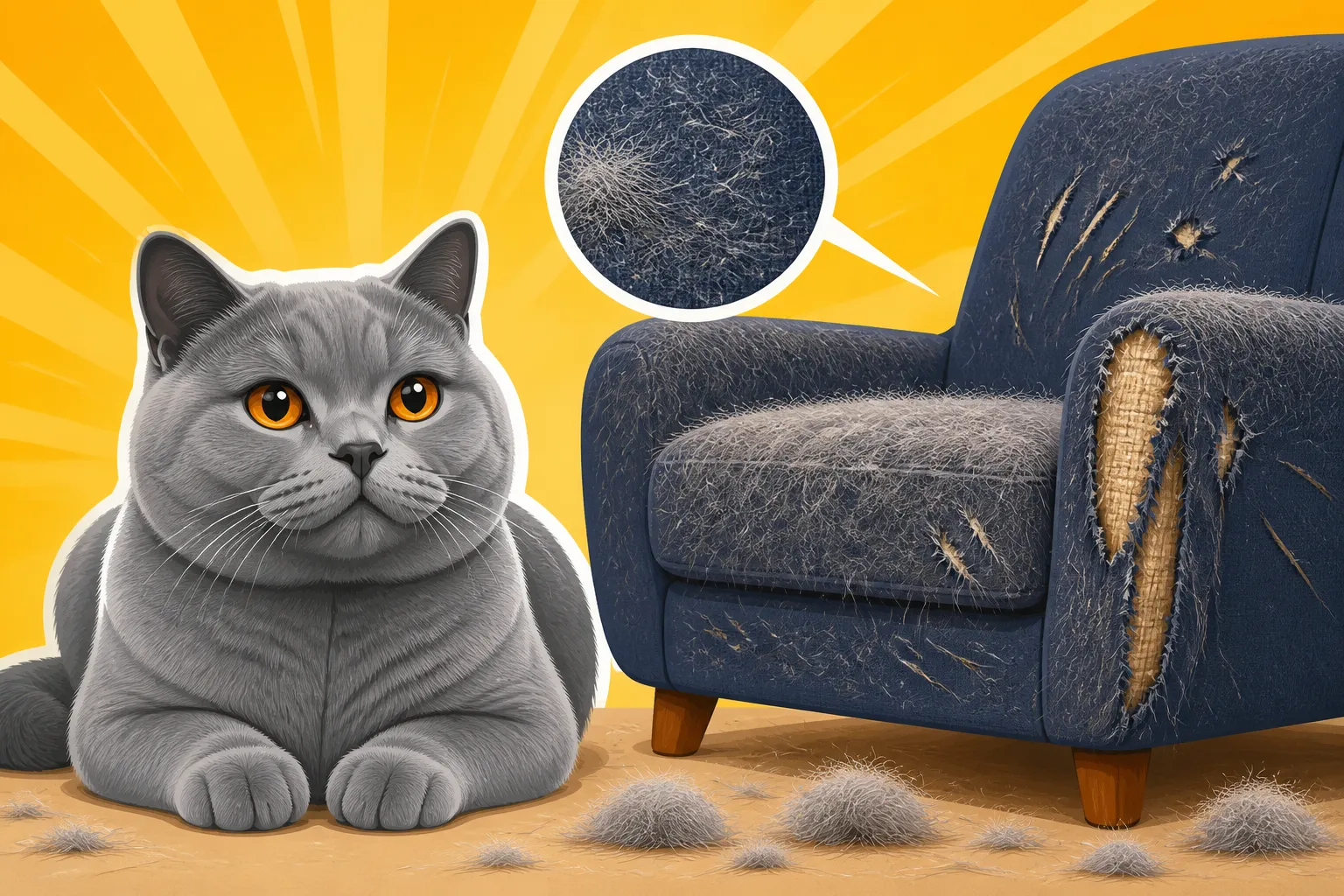
Upholstered furniture like sofas, armchairs, and cushions are the prime targets for British Shorthair fur. The texture of fabrics, especially those with a slight weave or nap, acts like tiny hooks, grasping onto the fine, soft hairs. Dark fabrics, of course, highlight light-colored fur, making every stray strand stand out like a beacon. If your British Shorthair has a beautiful blue or lilac coat, and you have a dark grey sofa, you'll see every single piece.
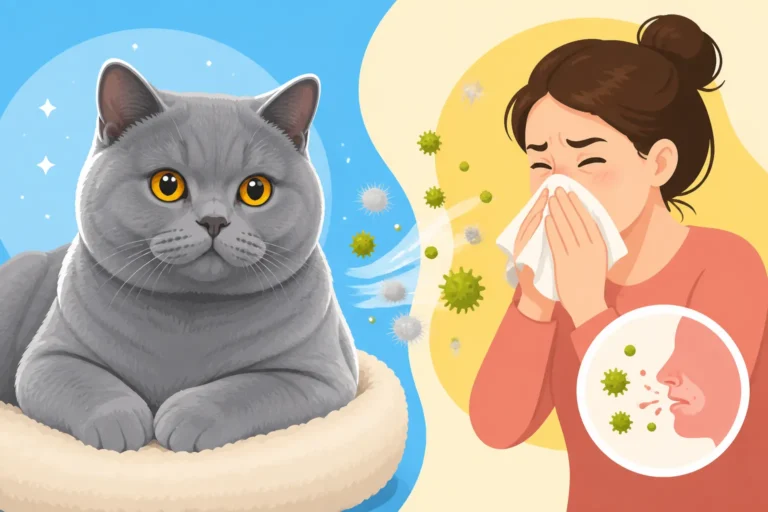
Carpets, particularly plush or shag styles, are another notorious fur trap. The fibers entangle the loose hairs, and with every step you take, you can actually push the fur deeper into the pile, making it incredibly stubborn to remove with a standard vacuum. Area rugs, especially those with intricate patterns or textures, can also become a mosaic of cat hair, often forming small, dense clumps that seem to defy gravity and cling with surprising tenacity. This isn't just about aesthetics; a build-up of fur can also contribute to dust and allergens in your home, which is something to consider if anyone in your household has sensitivities. How Much Dander Builds Up on a British Shorthair talks more about this.
Consider a cozy evening watching TV. Your British Shorthair, in all its majestic calm, might decide to grace the arm of your sofa or the back of your favorite armchair with its presence. Even if it's just for a few minutes, its dense coat will leave behind a silent, fluffy calling card. The warmer the spot, the more likely the fur will detach. Then, a breeze from an open window, or even just someone walking past, can lift these tiny strands and redistribute them across the room, ensuring that no fabric surface is entirely safe.
Less Obvious Spots: Hard Surfaces and Electronics
It's easy to focus on the soft, inviting surfaces, but British Shorthair fur has a surprising ability to accumulate in less obvious places. Static electricity is a major culprit here. Those fine hairs are electrically charged, meaning they’re drawn to plastic, glass, and metal surfaces as if by magic.
You’ll find fur clinging to TV screens, computer monitors, and even the cooling vents of your electronics. Laptops can collect a surprising amount, especially around the keyboard and fan outlets. This isn't just annoying; a thick layer of fur can actually impede proper airflow and potentially cause overheating in sensitive electronics over time. Imagine trying to type an email and constantly flicking away a rogue hair from your screen!
Even smooth, hard floors like hardwood, laminate, or tile aren't immune. While fur doesn't "stick" to them in the same way it does to fabric, it gathers in corners, under furniture, and forms those infamous "dust bunnies" that are often more fur than dust. These fluffy tumbleweeds become miniature vehicles, rolling around and picking up more debris, until they become quite substantial. It's a never-ending battle, sometimes feeling like you just swept yesterday only to find a fresh crop of fur accumulating along the baseboards.
Minimizing Fur Fallout
Living with a British Shorthair means accepting a certain level of fur, but you're not powerless. There are plenty of strategies you can employ to minimize the impact on your home.
Regular Grooming: Your First Line of Defense
This is, hands down, the most effective way to reduce the amount of fur shed onto your furniture. The more loose hair you remove directly from your cat, the less there is to fall off naturally. British Shorthairs have such a dense coat that weekly combing simply isn't enough, especially during peak shedding times.
Aim for a daily grooming session, even if it's just 5-10 minutes. Use a metal comb with both fine and wide teeth. The wider teeth can detangle the coarser outer coat, while the finer teeth are excellent for reaching into that dense undercoat and pulling out dead hairs. Many owners find a grooming tool like a deshedding brush incredibly effective for getting deep into the undercoat without damaging the guard hairs. Brands like Furminator are popular for this, and you can often find them on sites like Chewy or Amazon. Remember to be gentle, as their skin can be sensitive. Why a Comb Beats a Brush on a British Shorthair really explains the right tools to use.
During seasonal "coat blows," you might even need to increase grooming to twice a day. You'll be amazed at how much fur you can remove in one session. It might seem like a chore at first, but many British Shorthairs actually come to enjoy the routine, associating it with positive attention. Plus, it significantly reduces the amount of fur they ingest while self-grooming, which can help prevent hairballs. How Often a British Shorthair Brings Up a Hairball is a related read that highlights the importance of this.
Strategic Cleaning: Tools and Techniques
Once the fur is on your furniture, you need the right tools to get it off. Forget your standard vacuum attachments for fine fabrics; you need something designed for pet hair.
| Surface Type | Recommended Cleaning Tools | Technique |
|---|---|---|
| Upholstered Fabric | Rubber gloves, lint rollers (extra sticky), pet hair vacuums (e.g., Dyson, Shark), damp cloth, pet hair removal brushes | Rub gloved hand over fabric to gather fur; roll vigorously with lint roller; use vacuum attachments; wipe with damp cloth; brush in one direction. |
| Carpets & Rugs | Powerful vacuum with beater bar or pet hair attachment, rubber squeegee, carpet rake | Vacuum slowly, going over the same area multiple times; use squeegee/rake to lift embedded fur before vacuuming. |
| Hard Floors | Microfiber dry mop, electrostatic dusting cloths, robot vacuum, good quality broom & dustpan | Mop/wipe regularly to pick up floating fur; let robot vacuum run daily; sweep in short, overlapping strokes. |
| Electronics | Microfiber cloth (dry or slightly damp), canned air, anti-static wipes | Gently wipe surfaces; use canned air to blow fur from vents (unplug first); use wipes to reduce static attraction. |
| Clothing | Lint rollers, damp sponge, sticky tape, specialized garment brushes | Roll, pat, or brush immediately before leaving the house. Keep one in your car! |
For deeply embedded fur in carpets or upholstery, a rubber squeegee or even a damp rubber glove can work wonders. Simply drag it across the surface, and the fur will clump together, making it easier to pick up or vacuum. Some specialized pet hair vacuums, available on platforms like Amazon or Chewy, have rotating brush heads specifically designed to lift and trap pet hair from various surfaces. Regularly cleaning your vacuum's filter is also key, as a clogged filter reduces suction power.
For clothes, lint rollers are your best friend. Keep one by the door, in your car, and in your desk at work. For a quick fix, a damp sponge or even just sticky tape wrapped around your hand can pick up surface fur in a pinch.
Furniture Protection and Management
Sometimes, the best offense is a good defense. You can actively protect your furniture from becoming a fur haven.
One simple solution is to use washable throws or blankets on your British Shorthair's favorite lounging spots. This creates a barrier between your cat and the furniture, catching the majority of the loose fur. When the blanket gets too fuzzy, simply toss it in the wash. This is a much easier and more effective solution than trying to de-fur an entire sofa cushion every week. You can find many pet-friendly, durable, and washable throws on sites like Chewy.
Another approach is to designate specific "cat zones" in your home. Provide comfortable cat beds, tall cat trees with soft platforms, or even a cozy cat cave in areas where your British Shorthair loves to relax. If they have their own inviting spaces, they might be less inclined to shed on your prime seating arrangements. Ensure these spots are appealing by placing them in sunny windows, quiet corners, or near your own lounging areas, so they still feel connected to you. Which Cat Tree a British Shorthair Uses offers insights into making these zones appealing.
When choosing new furniture, consider materials that are less prone to trapping fur. Smooth leather, faux leather, or tightly woven microfibers tend to shed fur more easily than plush velvets or loose knits. While you might love the look of a deep pile rug, a low-pile or flat-weave alternative will be much simpler to clean. Think proactively when making purchases for your home, especially if you know your British Shorthair will be sharing these spaces.
Managing Expectations and Embracing the Fluff
Ultimately, living with a British Shorthair means living with some amount of fur. It's part of the package deal, a small price to pay for their affectionate, calm, and charming presence.
Acceptance and Lifestyle Adjustments
It's important to set realistic expectations. You can't eliminate British Shorthair fur entirely, and trying to achieve a completely fur-free home when sharing it with one of these magnificent creatures is a recipe for frustration. Instead, aim for "fur-managed" rather than "fur-free."
This might mean adjusting your wardrobe choices, especially during heavy shedding seasons. Dark clothing becomes a brave choice, while patterns or lighter colors can be more forgiving. You might find yourself doing laundry more frequently, specifically to de-fur items that have become secondary cat beds. Keeping a good lint roller in your bag becomes second nature, right alongside your keys and wallet.
Embrace the small compromises. A stray hair on your sweater is a sign of a beloved companion who considers you part of their pride. It means your cat is healthy, happy, and comfortable enough to share its plush presence with you and your home. Whether a British Shorthair Is Right for You touches on embracing their unique qualities.
The "Worth It" Factor
Despite the fur, British Shorthair owners universally agree that the breed's gentle nature, striking appearance, and unwavering companionship make any shedding inconvenience completely worthwhile. Their quiet demeanor, the way they follow you from room to room just to be in your presence (without necessarily demanding direct attention), and their adorable round faces are all qualities that far outweigh the need for a few extra passes with the vacuum.
Think of the fur as a constant, gentle reminder of the joy and comfort your British Shorthair brings into your life. It's a small fluffy price to pay for their affectionate head-butts, their soothing purrs, and the sheer delight of having such a noble and beautiful cat grace your home. Plus, a healthy diet can contribute to a healthy coat, which in turn might mean less brittle hair and potentially less excessive shedding, although the core shedding behavior of the breed will always remain. It’s all part of the unique experience of sharing your life with a British Shorthair.
Disclaimer
This article is for general informational purposes only and does not constitute professional advice. Laws, prices and regulations vary by location and change over time. Consult a qualified professional for guidance on your specific situation.