How to Put a British Shorthair on a Diet
British Shorthair weight loss requires managing calm dispositions, low activity levels, and a heavy cobby build to reduce belly fat.
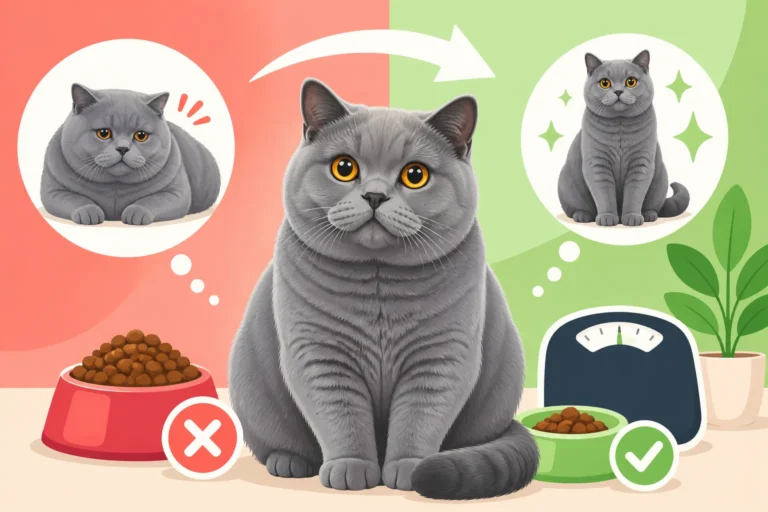
British Shorthair weight loss requires managing calm dispositions, low activity levels, and a heavy cobby build to reduce belly fat.
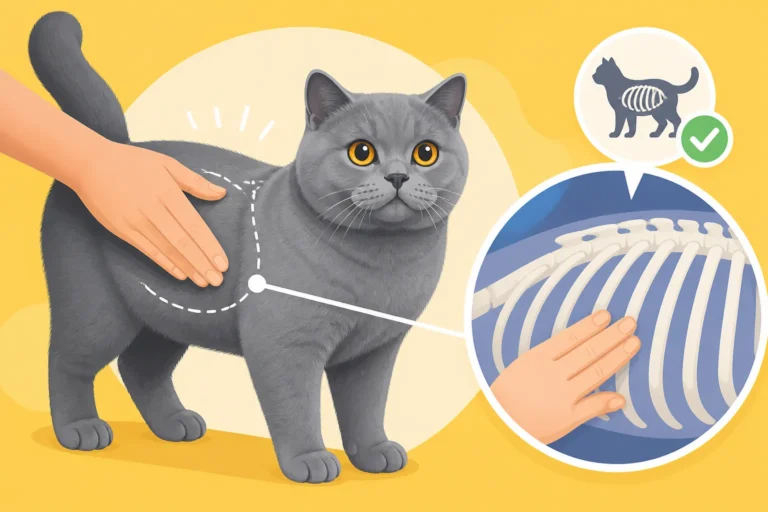
British Shorthair weight assessment methods explain how owners can feel feline ribs beneath dense fur to check body condition.
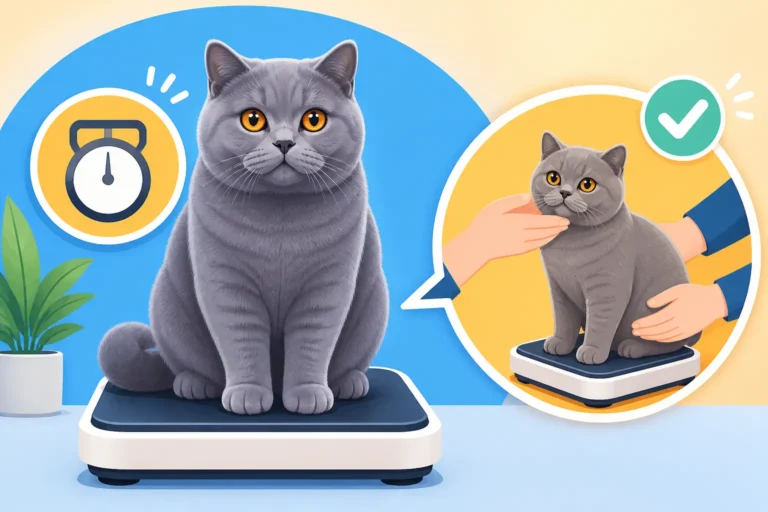
Weighing a British Shorthair at home tracks weekly trends to detect early obesity, arthritis risks, and sudden weight loss.
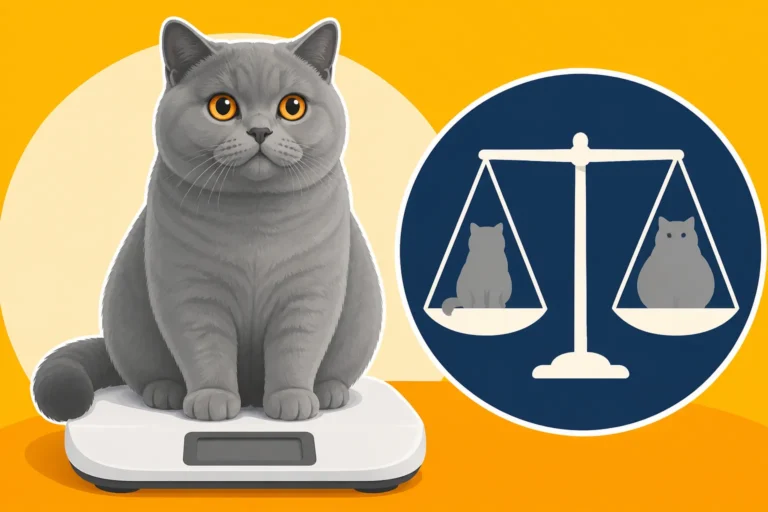
British Shorthair healthy weight ranges for adult males and females, showing typical pounds for this cobby breed from nine to eighteen.

British Shorthair dietary needs and wet food benefits, explaining hydration requirements, obesity risks, and urinary tract health.

British Shorthair dietary needs, weight gain risks from sedentary lifestyles, and coat nourishment using Omega-3 and Omega-6 fatty acids.
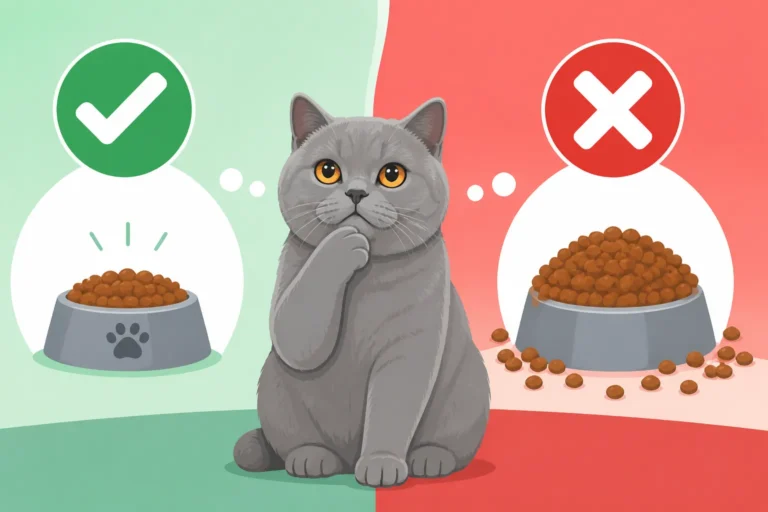
Free feeding British Shorthair cats causes weight gain because this low-energy breed lacks a natural full signal and continuously snacks on kibble.
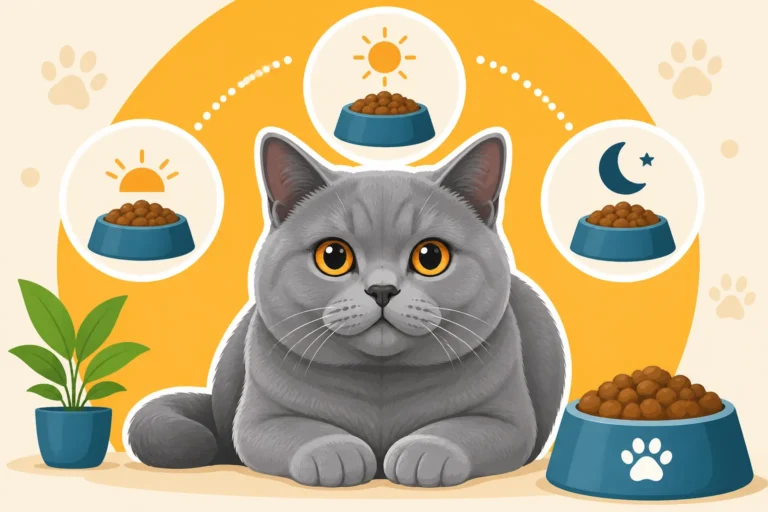
British Shorthair daily meal frequency requirements and portion control strategies help manage weight and prevent obesity.
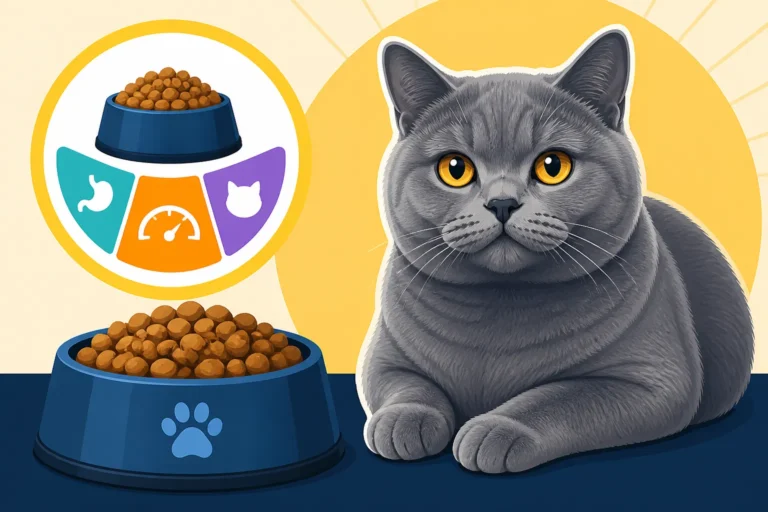
Adult British Shorthair feeding amounts and metabolic calculations help owners manage food portions and prevent weight gain.
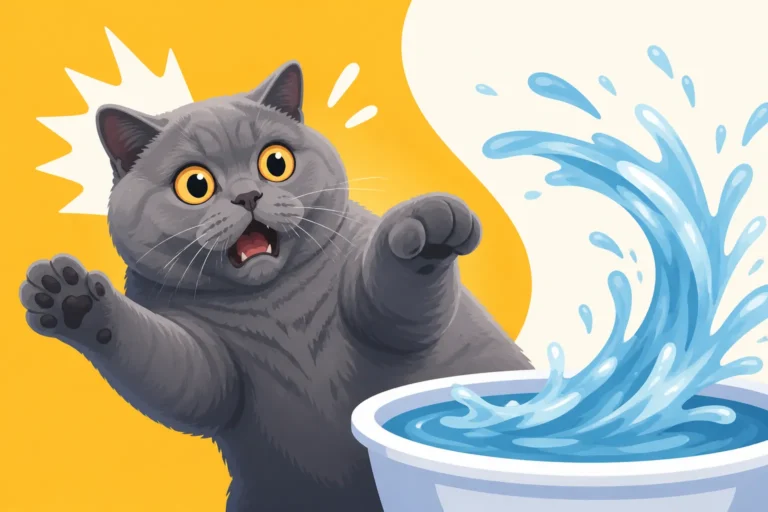
British Shorthair cats dislike water because their dense coats trap moisture, causing severe discomfort and prolonged drying times.