Which Cancers a British Shorthair Gets
It's absolutely heartbreaking to even think about our cherished British Shorthairs facing something as serious as cancer. When you welcome one of these gentle, round-faced companions into your home, you envision years of quiet cuddles and contented purrs, not the scary reality of a serious illness. The truth is, while British Shorthairs are generally a robust breed, they aren't immune to the challenges of aging and the potential for cancer, just like any other beloved pet. This guide is here to walk you through the various types of cancer that can affect British Shorthairs, what signs to look out for, and how you can be their best advocate.
Understanding Cancer in British Shorthairs: The Reality
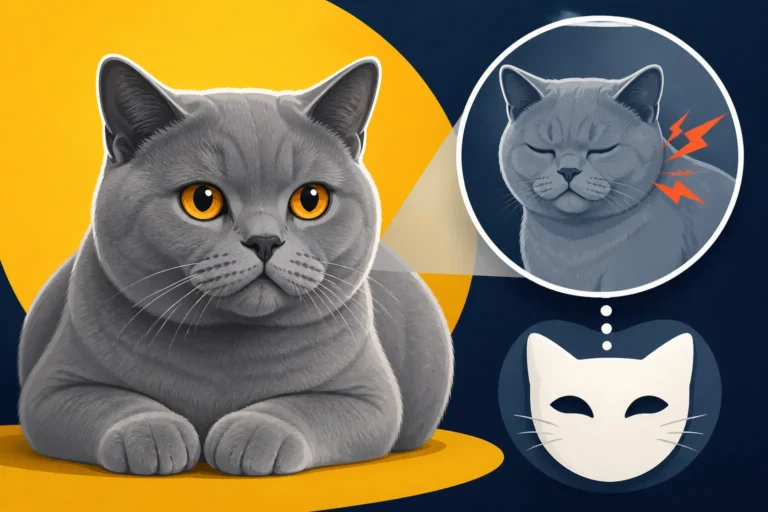
The word "cancer" alone can send a chill down any pet parent's spine. For British Shorthair owners, it's particularly tough because these cats are masters of stoicism. They often hide discomfort and illness until a condition is quite advanced, making early detection a significant challenge. It's not about them being particularly prone to certain cancers compared to other breeds, but rather understanding that age and genetics can play a role, and being vigilant is always crucial.
Why British Shorthairs Are Not Immune to Cancer
While we often focus on breed-specific genetic health issues, like the prevalence of Polycystic Kidney Disease Came Into the British Shorthair With the Persians or the ongoing concern with HCM in a British Shorthair Has No DNA Test, cancer isn't typically tied to a single gene that disproportionately affects British Shorthairs. Instead, it's a multifactorial disease, meaning many elements contribute to its development. Think about it – diet, environmental toxins, viral exposures, and random genetic mutations all play a part, just like in humans.
So, while your British Shorthair might not have a specific "cancer gene" test you can run, they face the same general risks as any other cat. Their famously calm and often sedentary nature can sometimes mask early symptoms of illness, as they might not be as overtly active or vocal as a more energetic breed. This means you, as their dedicated owner, need to be extra tuned into subtle shifts in their routine or demeanor.
Age as a Major Factor in Cancer Risk
One of the most undeniable truths about cancer in any species, including our British Shorthairs, is its strong link to age. As cats get older, their cells have had more opportunities to accumulate mutations, and their immune systems can become less efficient at identifying and destroying abnormal cells. This is why when we talk about Caring for a British Shorthair Past Ten, discussions about senior health often heavily feature cancer screening and vigilance.
It's common for a British Shorthair to reach their senior years around the age of ten, sometimes even a bit earlier for some individuals. From that point on, the risk of various cancers begins to climb. This doesn't mean every older British Shorthair will get cancer, but it certainly means that regular veterinary check-ups become even more critical. You're not just going for routine vaccinations anymore; you're building a comprehensive health profile to catch anything amiss as early as possible. This proactive approach can make a world of difference.
Common Types of Cancer Affecting British Shorthairs
When we talk about cancer in cats, there are a few types that tend to pop up more frequently across all breeds. For British Shorthairs, these common feline cancers are the ones you're most likely to encounter, and knowing what they are can help you understand the diagnostics and treatments your vet might discuss.
Lymphoma: A Pervasive Foe
Lymphoma is one of the most common cancers diagnosed in cats, including British Shorthairs, accounting for a significant portion of all feline cancers. It’s a cancer of the lymphocytes, which are a type of white blood cell, and can affect various parts of the body because these cells are found throughout the lymphatic system. This means lymphoma can manifest in many different forms, making it a truly pervasive foe.
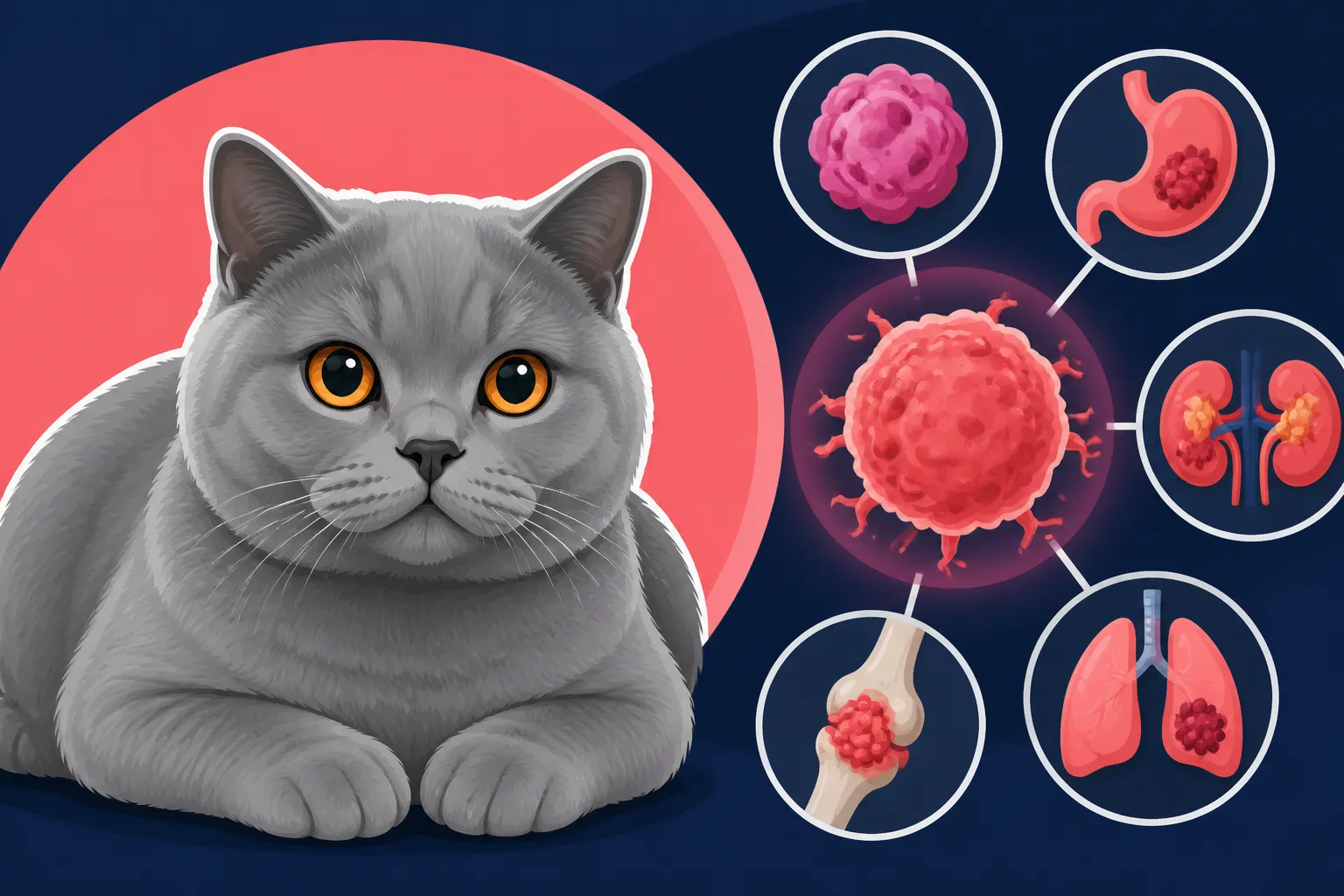
One of the most challenging aspects of lymphoma is its varied presentation. It can affect the gastrointestinal tract (the most common form in cats), the mediastinum (chest cavity), kidneys, nasal cavity, or even be generalized throughout the body. The symptoms, therefore, are just as diverse. A British Shorthair with gastrointestinal lymphoma might show signs like chronic vomiting, diarrhea, weight loss (which can be hard to notice in a plump British Shorthair, especially if you're not routinely weighing them), or a decreased appetite. On the other hand, a cat with mediastinal lymphoma might struggle with breathing or show lethargy. The good news is that many forms of feline lymphoma, particularly some types of intestinal lymphoma, can respond well to chemotherapy, often leading to remission and a good quality of life for a significant period. Veterinary specialists often work closely with owners to tailor a treatment plan.
Squamous Cell Carcinoma: A Silent Threat
Squamous Cell Carcinoma (SCC) is a type of skin cancer that can affect British Shorthairs, particularly those with light-colored fur on their ears, noses, and eyelids who might spend time basking in the sun. It's a localized, aggressive cancer that can destroy tissues around it. While British Shorthairs are typically indoor cats, a sunny window perch can still expose them to enough UV radiation over time to contribute to its development. It often starts as a small, non-healing sore or scab.
Beyond sun-exposed areas, SCC is also unfortunately common in the mouth of cats. Oral squamous cell carcinoma can be particularly aggressive and challenging to treat because it often invades the bone beneath. Signs of oral SCC can be subtle initially, like excessive drooling, difficulty eating, or bad breath. As it progresses, you might notice visible masses in the mouth or even facial swelling. Because British Shorthairs generally aren't ones to complain, these signs might be dismissed as something less serious until the cancer is quite advanced. Regular dental checks, even if it's just a quick peek by you at home, are incredibly important, alongside professional dental care when needed.
Mammary Gland Tumors: Not Just for Females
Mammary gland tumors, or breast cancer, can affect both male and female British Shorthairs, though they are overwhelmingly more common in unspayed female cats. In felines, approximately 80-90% of mammary tumors are malignant, meaning they are cancerous and have the potential to spread aggressively to other parts of the body, such as the lungs or lymph nodes. This makes early detection and surgical removal absolutely critical.
You might notice a small lump or series of lumps along your British Shorthair's mammary chain, which runs from the chest down to the groin. These tumors can vary in size and texture. If your cat is unspayed, or was spayed later in life, the risk increases. This is a powerful argument for early spaying, as it dramatically reduces the risk of mammary cancer. If you feel any new lumps, no matter how small, it’s imperative to get your cat to the vet immediately for examination. Don't fall into the trap of thinking it's "just a fatty lump" – when it comes to mammary tissue in cats, always assume the worst and hope for the best, because quick action can save their life.
Less Common, But Still Significant Cancers
While lymphoma and SCC are frequent concerns, other types of cancer can also affect British Shorthairs. These might not be as common, but they are equally serious and require prompt attention if detected. Being aware of them helps you stay informed and prepared.
Fibrosarcoma: The Injection Site Concern
Fibrosarcomas are malignant tumors that arise from connective tissue. While they can occur anywhere, a specific concern in cats has historically been "injection-site sarcomas" (ISS), also known as vaccine-associated sarcomas. These are aggressive tumors that can develop at the site of any injection, including vaccines, microchips, or long-acting medications. While the incidence is very low (estimated at 1-10 cases per 10,000 to 100,000 vaccinated cats), the severity makes it a significant concern for pet owners and veterinarians.
Modern vaccination protocols aim to minimize this risk by using non-adjuvanted vaccines and administering injections in specific sites (like the lower limbs or tail, which allows for easier amputation if a sarcoma develops, rather than the traditional shoulder blade where radical surgery is much harder). If you ever notice a lump at an injection site that persists for more than three months, is larger than 2 cm in diameter, or continues to increase in size one month after injection, it's crucial to have it thoroughly investigated by your vet. While rare, awareness is key, especially given how important vaccinations are for your British Shorthair's overall health and wellbeing.
Osteosarcoma: Bone Deep Trouble
Osteosarcoma is a highly aggressive form of bone cancer. While it’s much more common in large breed dogs, it can occasionally affect cats, including British Shorthairs, typically in their older years. When it occurs, it most often affects the long bones of the limbs, but can also be found in other bones like the jaw or ribs. The cancer rapidly destroys bone tissue and can quickly spread to other organs, especially the lungs.
The primary symptom of osteosarcoma is lameness or limping that doesn't resolve or worsens over time. Your British Shorthair might start favoring a leg, become reluctant to jump onto their favorite window perch, or show signs of pain when the affected area is touched. Swelling around the tumor site can also be noticeable. Because British Shorthairs are typically less active, a slight limp might be missed or attributed to an old injury, which is why it's so important to monitor any persistent changes in their gait or mobility. A trip to the vet for X-rays would be the first step in diagnosing this painful and serious condition.
Mast Cell Tumors: Tricky to Pin Down
Mast cell tumors originate from mast cells, which are part of the immune system and found throughout the body, particularly in the skin, lymph nodes, spleen, and bone marrow. In cats, mast cell tumors can be tricky because they can appear in different forms and have varying behaviors. They can be cutaneous (on the skin) or visceral (affecting internal organs).
Cutaneous mast cell tumors in cats often present as firm, raised nodules on the skin, and sometimes they can be quite itchy or ulcerated. They might even seem to wax and wane in size. While many cutaneous mast cell tumors in cats are benign or low-grade, it's impossible to tell without a biopsy. Visceral mast cell tumors, most commonly found in the spleen or intestines, can cause non-specific symptoms such as vomiting, loss of appetite, weight loss, or abdominal pain. This makes diagnosis challenging. Because these symptoms can mimic so many other conditions, like inflammatory bowel disease, it often takes a thorough workup including blood tests, imaging, and biopsies to get a definitive diagnosis.
Recognizing the Warning Signs: Early Detection is Key
It's a frustrating reality that our cats can't tell us when something is wrong. They instinctually hide illness, a trait from their wild ancestors. This means as pet parents, we need to be vigilant detectives, looking for both subtle and overt signs that something isn't right. Early detection truly is the key to better outcomes when it comes to cancer.
Subtle Behavioral Changes to Watch For
British Shorthairs are creatures of habit, and any deviation from their normal routine, even if seemingly small, warrants attention. If your typically calm and composed cat suddenly starts acting differently, it could be a warning sign. For example, have they become more withdrawn, seeking out unusual hiding spots, or avoiding interaction with family members? While a British Shorthair is Genuinely Fine on Its Own, a significant increase in isolation could signal discomfort.
Another subtle cue might be changes in their eating or drinking habits. They might still eat, but perhaps less enthusiastically, or leave food uneaten for longer periods. Conversely, an unexplained increase in appetite without weight gain could also be a concern. Perhaps they're sleeping more than usual, or conversely, seem restless at times they'd normally be napping peacefully. Even changes in their litter box habits, such as frequency or consistency, if not directly linked to diet, could be indicative of an internal issue. These aren't definitive cancer signs, of course, but they are certainly Signs a British Shorthair Is Unwell and signal that a vet visit is in order.
Physical Manifestations of Cancer
Beyond behavioral shifts, physical changes are often more direct indicators of potential cancer. Regularly petting and grooming your British Shorthair isn't just for bonding; it's a vital opportunity to perform a "home physical exam." Pay attention to any new lumps or bumps. While not all lumps are cancerous, any new growth should be checked by a veterinarian. Feel along their body, under their chin, in their armpits, and groin for any swollen lymph nodes.
Notice changes in their coat quality – is it dull, greasy, or are they struggling to groom themselves, especially on their back? This could link to pain or obesity, which can also indicate other underlying health issues. Unexplained weight loss, particularly if they're still eating, is a major red flag, as Why Weight Loss in an Old British Shorthair Is a Warning. Watch for persistent sores that don't heal, unusual discharge from the eyes, nose, or any body opening, and any changes in the appearance of their gums or teeth. Difficulty breathing, persistent coughing, or any unusual swelling in their abdomen or limbs also needs immediate veterinary attention.
Diagnosis and Treatment Options for Your British Shorthair
Receiving a cancer diagnosis for your British Shorthair can feel overwhelming, but remember that veterinary medicine has advanced considerably. There are many diagnostic tools available and a range of treatment options that can help extend and improve your cat's quality of life. Understanding the journey ahead can help you make informed decisions for your beloved pet.
The Diagnostic Journey
When your vet suspects cancer, they'll embark on a diagnostic journey to get a clear picture. This often starts with a thorough physical exam and What a British Shorthair's Yearly Bloodwork Should Cover, which might reveal abnormalities in blood cell counts or organ function. Next, diagnostic imaging is crucial. X-rays can help identify tumors in the chest or abdomen, or abnormalities in bones. An ultrasound can provide detailed images of internal organs, allowing the vet to see masses, assess their size, and check for spread to lymph nodes. For more detailed imaging, a CT scan or MRI might be recommended, particularly for tumors in complex areas like the head or spine.
The definitive diagnosis of cancer almost always requires a biopsy – taking a small tissue sample for microscopic examination by a veterinary pathologist. This can be done via fine needle aspirate (FNA), which involves collecting cells with a needle, or an incisional/excisional biopsy, where a piece of the tumor or the entire tumor is removed surgically. The pathologist can then determine the type of cancer and its grade, which helps guide treatment decisions. These steps are vital because treating a benign growth is very different from managing an aggressive malignancy.
Navigating Treatment Paths
Once a diagnosis is confirmed, your veterinary team will discuss treatment options. These can vary widely depending on the type of cancer, its stage, and your British Shorthair's overall health. Surgery is often the first line of defense for solid tumors, aiming to remove the cancerous mass entirely. For many cancers, particularly if caught early, surgical removal can be curative.
Chemotherapy is another common treatment, often used for cancers that are widespread (like lymphoma) or to target remaining cancer cells after surgery. Unlike in humans, chemotherapy in cats is generally aimed at maintaining a good quality of life, with fewer severe side effects. Radiation therapy, while less common and often requiring referral to a specialist center, can be highly effective for localized tumors that are difficult to remove surgically. Supportive care is also a huge part of treatment, focusing on managing pain, nausea, and maintaining nutrition. This might include prescription diets, pain medication, anti-nausea drugs, and appetite stimulants. It's a journey, and having a good relationship with your vet and potentially a veterinary oncologist is invaluable. Many pet owners consider pet insurance, like a policy from Healthy Paws, to help manage the substantial costs associated with these advanced treatments.
Proactive Care and Prevention Strategies
While we can't completely prevent cancer in our British Shorthairs, we can certainly adopt proactive care and prevention strategies that might reduce their risk and, importantly, improve their overall health and longevity. It's all about providing the best possible environment for them to thrive throughout The Twelve to Seventeen Years a British Shorthair Gets.
Lifestyle Choices for Reduced Risk
A healthy lifestyle plays a significant role in mitigating cancer risk for your British Shorthair. First and foremost, diet is crucial. Feeding a high-quality, balanced diet appropriate for their life stage can support their immune system and overall cellular health. Given that Obesity Is the British Shorthair's Real Disease, maintaining a healthy weight is paramount. Obesity is linked to chronic inflammation and can increase the risk of certain cancers, so portion control and an appropriate diet are not just for their waistline, but for their long-term health.
Secondly, minimizing exposure to environmental carcinogens is important. While indoor cats generally have lower exposure, consider things like secondhand smoke, certain household chemicals, and even some types of cat litter. Ensure good ventilation in your home. Furthermore, reducing stress and providing a stimulating environment, even for a calm British Shorthair, supports a robust immune system. Regular, gentle play, even if Getting a Low Energy British Shorthair to Move can be a challenge, can help keep their body systems functioning optimally.
The Role of Regular Vet Check-ups
There's simply no substitute for regular veterinary care. For British Shorthairs, especially as they age and become The Age a British Shorthair Is Considered Senior, twice-yearly wellness exams are often recommended. These appointments allow your vet to perform a thorough physical examination, looking for any subtle changes you might have missed. They can check lymph nodes, palpate the abdomen, listen to the heart and lungs, and assess overall body condition.
During these visits, your vet can also recommend age-appropriate screening tests, such as What a British Shorthair's Yearly Bloodwork Should Cover. While these blood tests don't diagnose cancer directly, they can flag abnormalities in organ function or blood cell counts that might prompt further investigation. They might also suggest imaging if there are concerns. This consistent monitoring means that if cancer does develop, there's a much higher chance of catching it early, when treatment options are most effective. Investing in pet insurance, like a comprehensive plan from Healthy Paws, can provide invaluable financial support for these crucial routine screenings and any unexpected health challenges that may arise.
Here's a quick overview of common feline cancers:
| Cancer Type | Common Signs | Typical Treatment Approaches | Prognosis (Generally) |
|---|---|---|---|
| Lymphoma | Vomiting, diarrhea, weight loss, lethargy, difficulty breathing, swollen lymph nodes | Chemotherapy, sometimes surgery, steroids | Variable, often manageable with good quality of life |
| Squamous Cell Carcinoma | Non-healing sores, scabs, masses in mouth/nose/ears, drooling, difficulty eating | Surgery, radiation, sometimes chemotherapy | Fair to guarded, depends on early detection and location |
| Mammary Gland Tumors | Lumps along mammary chain, swelling, pain | Surgical removal, possibly chemotherapy | Guarded to poor if malignant and metastasized, good if benign/early |
| Fibrosarcoma | Firm, fast-growing lump at injection site | Aggressive surgical removal, radiation, chemotherapy | Guarded, high recurrence risk |
| Osteosarcoma | Lameness, swelling, pain in affected limb, reluctance to move | Amputation (often), chemotherapy | Poor, tends to metastasize rapidly |
| Mast Cell Tumors | Skin lumps (itchy/ulcerated), vomiting, appetite loss, weight loss (visceral) | Surgery (for cutaneous), chemotherapy, steroids | Variable, often good for low-grade cutaneous, guarded for visceral |
Remember, this table provides a general overview. Each case is unique, and your veterinary team is the best resource for specific information regarding your British Shorthair's health. Pet insurance can be a huge help when managing unexpected health issues like cancer. You might want to consider whether Insuring a British Shorthair is the right choice for your family.
Disclaimer
The information provided in this article is for general informational purposes only and is not a substitute for professional veterinary advice. Always consult with a qualified veterinarian for any health concerns or before making any decisions related to your pet's health or treatment.