What Insulin Costs a British Shorthair Owner a Month
Discovering your beloved British Shorthair has diabetes can feel like a punch to the gut. Beyond the immediate worry for their health and the sudden shift in your daily routine, a huge question mark often hangs over the financial aspect: "What is this going to cost me, especially for insulin, every single month?" It's a completely valid concern that many cat parents grapple with, as ongoing medical care can quickly add up. This comprehensive guide is here to shed light on the monthly insulin expenses you can expect as a British Shorthair owner navigating a diabetes diagnosis, breaking down the factors that influence these costs and offering tips to manage them.
Understanding Your British Shorthair's Diabetes Diagnosis and Treatment Needs
The journey with a diabetic British Shorthair often begins with a diagnosis that can be quite overwhelming. Suddenly, you're faced with terms like "glucose curves" and "fructosamine levels," not to mention the idea of daily injections. It’s a lot to take in, and it fundamentally changes the way you care for your cuddly companion.
The Initial Shock of a Diabetes Diagnosis
When your vet first delivers the news that your British Shorthair has diabetes, it's natural to feel a mix of fear, sadness, and even a bit of guilt. You might wonder if you missed Signs a British Shorthair Is Diabetic or if something you did contributed to it. Rest assured, feline diabetes isn't usually a blame game; it's a complex metabolic condition. The initial weeks after diagnosis are often a whirlwind of vet visits, diagnostic tests to confirm the condition and rule out others, and learning how to administer insulin injections. This phase often involves more frequent vet visits to establish a stable insulin dose, which contributes to higher initial costs before settling into a routine. It's a steep learning curve, both emotionally and practically, but remember, you're not alone in this.
Why Insulin Becomes a Daily Necessity
For many British Shorthairs diagnosed with diabetes, especially Type 2, insulin therapy becomes the cornerstone of their treatment. While diet modifications and oral medications might work for some cats, particularly those with very mild cases or in remission, the reality for a significant number of British Shorthairs is that their pancreas simply isn't producing enough insulin, or their body isn't responding to it effectively. This is particularly true if obesity was a contributing factor, and let's face it, our British Shorthairs are notorious for their love of food and their less-than-athletic tendencies, making them prone to conditions like Whether an Overweight British Shorthair Gets Diabetes. Insulin helps regulate blood sugar levels, preventing dangerous highs and lows that can lead to severe health complications. It's not a cure, but a vital management tool that allows your cat to live a happy, comfortable life.
Different Types of Insulin for Feline Patients
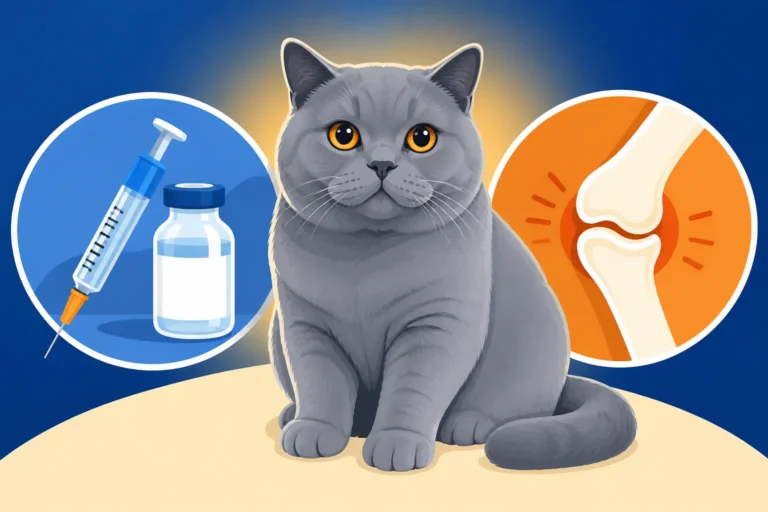
Not all insulins are created equal, and your vet will prescribe the type best suited for your British Shorthair's specific needs. The most commonly used insulins for cats are often long-acting or intermediate-acting, designed to provide a steady release of insulin throughout the day. You might hear names like Glargine (often a human insulin), PZI (protamine zinc insulin), or Vetsulin (also known as Caninsulin in some regions). Each type has different characteristics, such as how quickly it starts working, its peak action, and how long its effects last.
For instance, Glargine is generally a longer-acting insulin, often given twice daily, while Vetsulin is an intermediate-acting insulin, also typically given twice a day. The choice depends on your cat's individual response, your vet's experience, and sometimes, cost and availability. It's important to understand that using the correct syringe type (U-40 for Vetsulin/Caninsulin, U-100 for Glargine) is absolutely critical to ensure accurate dosing and prevent dangerous complications. Always follow your vet's specific instructions for the type of insulin and syringe.
Breaking Down the Monthly Insulin Costs: Vials, Pens, and Syringes
When we talk about the monthly cost of insulin, it's not just the insulin itself, but also the supplies needed to administer it safely and accurately. These are ongoing expenses that become a regular part of your pet care budget.
Insulin Vial Versus Pen Systems
Insulin comes in a few forms, primarily multi-dose vials or pre-filled pen systems. Historically, vials have often been considered the more cost-effective option for many pet owners. A vial usually contains a larger volume of insulin (e.g., 10ml), from which you draw your cat's dose using a separate syringe. Once opened, insulin vials typically have a limited shelf life, often around 28 days, even if refrigerated. This means that if your British Shorthair is on a very low dose, you might not use the entire vial before it needs to be discarded, leading to some waste. However, for cats on higher doses, a single vial might last a good portion of the month or even longer.
Insulin pen systems, on the other hand, offer convenience and precise dosing, but can sometimes come with a higher price tag per unit of insulin. These pens contain insulin cartridges and are designed for ease of use, often with a dial that allows you to select the exact dose. Like vials, opened pens also have a limited shelf life, usually about 28 days. The perceived "cost" of a pen might be higher upfront, but if it reduces errors and makes the process less stressful for both you and your British Shorthair, many owners find the value there. Your vet will guide you on which system is most appropriate and what to expect regarding its lifespan for your cat's specific dosage.
The Cost of Insulin Syringes and Needles
Insulin syringes are an unavoidable, recurring cost for any diabetic cat owner. These aren't just any syringes; they are specifically designed for insulin, featuring tiny, fine needles to minimize discomfort for your cat and precise markings for accurate dosing. As mentioned, the type of insulin dictates the syringe: U-40 syringes for U-40 insulin (like Vetsulin/Caninsulin) and U-100 syringes for U-100 insulin (like Glargine). Using the wrong syringe can lead to a dangerous overdose or underdose.
You'll need a fresh, sterile syringe for every injection to prevent infection and maintain needle sharpness. This means if your British Shorthair receives two injections a day, you'll go through 60 syringes in a month. While individual syringes are relatively inexpensive, they quickly add up. Many owners find it more economical to purchase syringes in boxes of 100 or even larger quantities. Online pet pharmacies and medical supply retailers are often great resources for buying these in bulk, and sites like Chewy frequently offer competitive pricing and convenient delivery services. It’s definitely a good idea to stock up when you find a good deal to ensure you always have enough on hand.
Factors Influencing the Monthly Insulin Price Tag
The exact monthly cost for insulin and syringes can fluctuate based on several key factors:
- Insulin Type: Different insulin formulations have different manufacturing costs, which are reflected in their retail prices. Some human insulins, if prescribed, might be covered by human health insurance for eligible individuals, potentially lowering the out-of-pocket cost if your vet deems it appropriate and safe for your cat. However, specific veterinary insulins are priced for the pet market.
- Dosage and Frequency: A British Shorthair requiring a higher dose of insulin or more frequent injections (e.g., twice daily) will naturally use up their insulin supply faster than a cat on a lower, once-daily dose. This directly impacts how many vials or pens you need to purchase each month.
- Pharmacy or Supplier: Prices can vary significantly between local pharmacies, online pet pharmacies, and even big-box retailers. Shopping around and comparing prices is wise. Sometimes, your vet might have a preferred supplier or offer insulin directly, so always inquire about their pricing.
- Geographic Location: The cost of veterinary medications, including insulin, can differ based on your region and local market competition. What one owner pays in a large metropolitan area might be different from someone in a rural community.
To give you a general idea, here's a table outlining some common insulin types and factors to consider:
| Insulin Type (Example) | Concentration | Typical Frequency | Syringe Type | General Monthly Cost (Insulin Only) |
|---|---|---|---|---|
| Vetsulin/Caninsulin | U-40 | Twice Daily | U-40 | Moderate |
| Glargine (Lantus/Basaglar) | U-100 | Once or Twice Daily | U-100 | Moderate to Higher |
| PZI Vet | U-40 | Once or Twice Daily | U-40 | Moderate |
Note: These are general indications. Actual costs will vary by supplier, dose, and local market.
Beyond Insulin: Other Monthly Costs for a Diabetic British Shorthair
While insulin is a major component of the monthly expense, it's crucial to remember that diabetes management extends beyond just injections. There are other ongoing costs that contribute to the overall financial picture of caring for a diabetic British Shorthair.
Glucose Monitoring Supplies
Effective diabetes management relies heavily on monitoring your British Shorthair's blood glucose levels. This helps you and your vet determine if the insulin dosage is correct and if the diabetes is well-controlled. Home monitoring is often encouraged, as it provides a more accurate picture of blood sugar fluctuations in a stress-free environment, away from the "vet stress" that can skew readings.
The supplies for home monitoring include:
- Glucometer: The initial purchase of a pet-specific glucometer (or a human one calibrated for cats, under vet guidance) is a one-time cost, but some brands have cheaper test strips than others.
- Test Strips: These are the most significant ongoing cost for monitoring. Each time you test your cat's blood (which could be several times a week, or daily during stabilization), you use one strip. They are often sold in packs of 50 or 100 and can be quite pricey.
- Lancets: Small needles used to prick your cat's ear or paw pad to get a blood sample. These are relatively inexpensive but also need to be replaced regularly for hygiene and sharpness.
Alternatively, continuous glucose monitors (CGMs) are becoming more popular in veterinary medicine. These small devices are painlessly applied to your cat's fur and read glucose levels automatically throughout the day and night. While the initial sensor cost is higher, they eliminate the need for frequent blood pricks and provide a wealth of data. However, for budgeting purposes, expect to factor in the regular replacement of test strips or CGM sensors into your monthly expenses. For a deeper dive into these specifics, you might find What Glucose Monitoring Costs a British Shorthair Owner helpful.
Prescription Diabetic Diet Food
Diet plays a monumental role in managing feline diabetes. Many British Shorthairs thrive on a low-carbohydrate, high-protein diet, which helps stabilize blood sugar levels and can even contribute to diabetic remission in some cases, especially if weight loss is also achieved. Your vet will likely recommend a specific prescription diet formulated for diabetic cats. These foods are not typically found in standard grocery stores and can be more expensive than over-the-counter options.
Whether you choose prescription wet food or a specialized dry kibble, the cost can add a significant chunk to your monthly pet budget. It's crucial to stick to the recommended diet and avoid giving unauthorized treats, which can derail blood sugar control. When considering the benefits, such as improved health outcomes and potentially lower overall vet bills in the long run by preventing complications, the investment in a prescription diet is often well worth it. You might want to explore Whether Prescription Food Is Worth It for a British Shorthair for more detailed insights. Some owners also consider fresh food options, working closely with their vet or a veterinary nutritionist to ensure it meets the specific dietary needs of a diabetic cat.
Regular Vet Check-ups and Bloodwork
While you might not have a vet visit every single month, regular check-ups are essential for managing a British Shorthair with diabetes. Initially, visits will be frequent to establish the correct insulin dose. Once stable, your vet will still recommend periodic check-ups, often every three to six months, to monitor your cat's overall health, assess blood sugar control, and screen for potential complications.
These visits will involve a physical examination, and almost certainly, bloodwork. Your vet will typically check fructosamine levels (which give an average blood glucose over the past few weeks), and may run other tests to monitor kidney function, liver health, and other parameters that can be affected by diabetes or its treatment. Factoring in the cost of these check-ups and diagnostic tests, even if they're not strictly monthly, into your overall annual budget is prudent. You can then amortize that cost over 12 months to get a clearer picture of the ongoing financial commitment. For more on what these visits might entail, see What a British Shorthair's Diabetes Workup Costs.
Managing and Mitigating the Financial Burden of Feline Diabetes
Living with a diabetic British Shorthair is a commitment, and the financial aspect is a significant part of that. However, there are ways to manage and potentially mitigate these costs without compromising your cat's care.
Exploring Pet Insurance Options
Pet insurance can be a lifesaver for unexpected veterinary emergencies and chronic conditions, but there's a crucial caveat for diabetes: it's almost always considered a pre-existing condition if diagnosed before your policy is active. This means if your British Shorthair is already diabetic, a new insurance policy likely won't cover treatment costs associated with it. However, if your British Shorthair is young and healthy now, investing in pet insurance before any chronic conditions arise can provide immense peace of mind.
If you have an existing policy, check your terms carefully to understand what is covered regarding chronic conditions and medication. Some policies might cover ongoing medication, while others may not. Providers like Healthy Paws are known for comprehensive coverage, but again, the timing of enrollment relative to diagnosis is key. It's a complex area, so a thorough review of policy documents and direct communication with insurance providers is always recommended. For more details on this, you can look into Whether Insurance Covers a British Shorthair's Diabetes.
Buying Smart and Seeking Discounts
Being a savvy shopper can make a real difference in your monthly diabetes expenses.
- Bulk Purchases: As mentioned earlier, buying syringes in boxes of 100 or more is generally more cost-effective than buying smaller quantities. Similarly, if your cat's prescription diet food can be purchased in larger bags or cases of wet food, you might find savings.
- Online Pharmacies: Reputable online pet pharmacies often offer insulin, syringes, and diabetic-specific foods at lower prices than brick-and-mortar veterinary clinics. Platforms like Chewy are popular for their convenience and often competitive pricing on pet medications and supplies. Always ensure you are using a legitimate, licensed pharmacy that requires a prescription for insulin.
- Manufacturer Programs: Occasionally, insulin manufacturers might offer rebates or discount programs. While less common for veterinary-specific products, it's always worth asking your vet if they are aware of any such programs for the insulin they prescribe.
- Communication with Your Vet: Don't be afraid to have an open conversation with your veterinarian about costs. They understand financial constraints and may be able to suggest more budget-friendly insulin types, monitoring strategies, or food options that still meet your British Shorthair's medical needs. Sometimes, simply knowing the cost shape of generic vs. brand-name insulin (if applicable to your cat's needs) can help.
Adhering strictly to your vet's recommendations regarding diet, insulin dosage, and monitoring is also a form of saving money in the long run. Poorly controlled diabetes can lead to expensive complications like diabetic ketoacidosis or nerve damage, which will incur far higher emergency veterinary bills. Preventing these issues by staying on top of daily care is the best financial strategy.
The Long-Term Commitment and Emotional Toll
Caring for a diabetic British Shorthair is undoubtedly a long-term commitment, both in terms of time and finances. It requires consistency, patience, and a willingness to adapt your routine. The emotional toll can also be significant; managing a chronic illness in a beloved pet can be stressful, sometimes heartbreaking, and occasionally frustrating. But the bond you share with your British Shorthair is incredibly strong, and seeing them thrive despite their diagnosis is incredibly rewarding.
With proper management, diabetic cats can live long, happy lives, often for many years after diagnosis. Their lifespan with well-managed diabetes can be comparable to that of non-diabetic cats, making the investment of time and money truly worthwhile. It's about focusing on their quality of life, which means ensuring they get their injections on time, eat the right food, and receive regular veterinary oversight. Knowing that you're doing everything you can to keep them healthy is a powerful motivator, and it makes every syringe, every test strip, and every vet visit a testament to your love for your furry family member. While we can't always predict the exact path, we know that cats, even those with conditions like diabetes, can bring immense joy for many years, as discussed in The Twelve to Seventeen Years a British Shorthair Gets.
Disclaimer
This article is for general informational purposes only and does not constitute professional advice. Laws, prices and regulations vary by location and change over time. Consult a qualified professional for guidance on your specific situation.